SelectScience InterviewsClinical Diagnostics

Rapid antimicrobial susceptibility testing could improve outcomes in septic and intensive care patients

27 May 2025
Sonia Nicholas
Managing Editor and Clinical Lead
Rapid antimicrobial susceptibility testing could improve outcomes in septic and intensive care patients

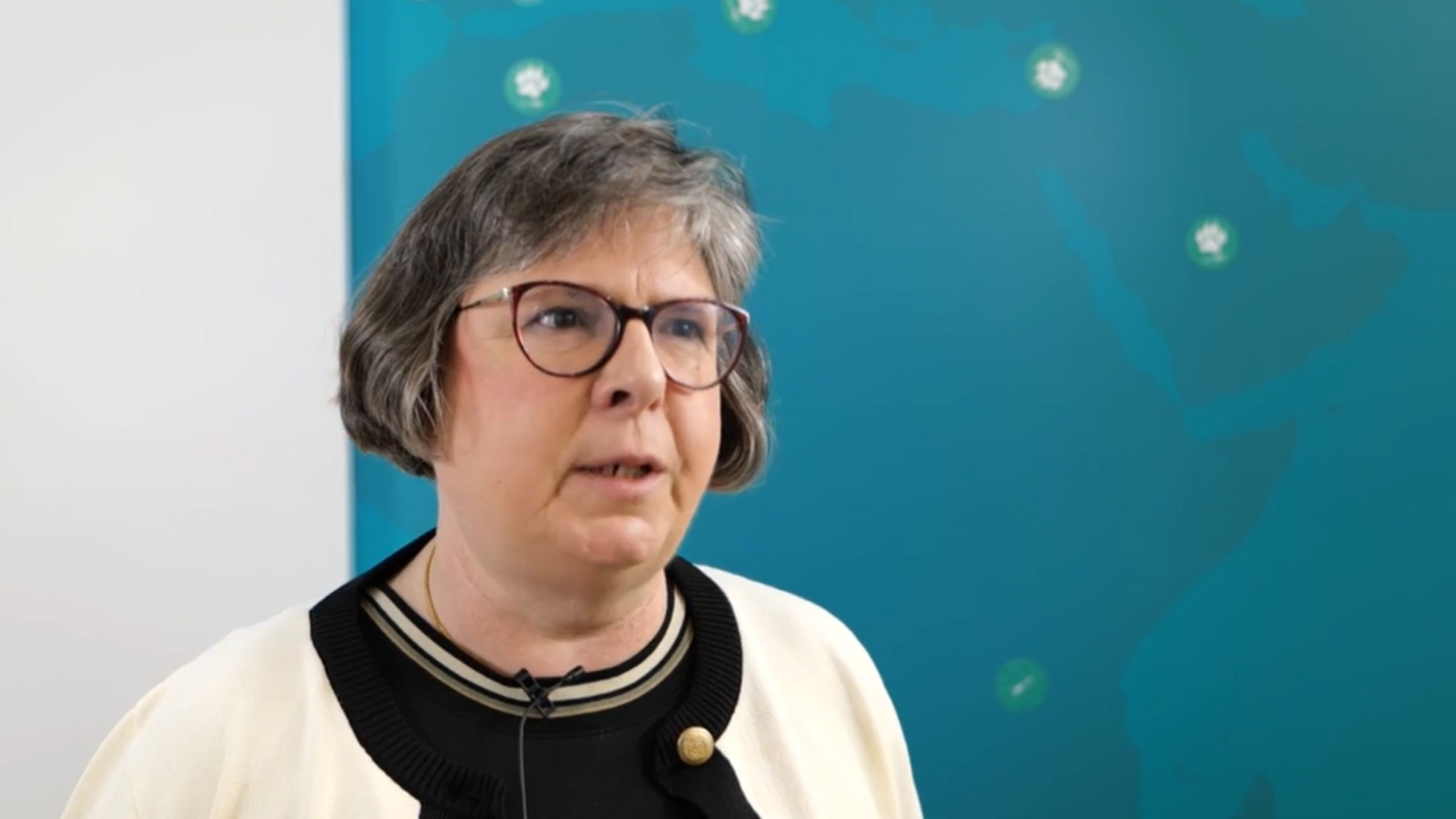
Dr. Giuliana Lo Cascio, Medical Doctor and Director of the Unit for Microbiology and Virology at Ospedale Gugliemo da Saliceto di Piacenza, emphasizes the transformative impact of rapid antimicrobial susceptibility testing (AST) in clinical microbiology. By reducing turnaround time to 24 hours or less, this technology enables more targeted and effective treatment for septic and intensive care patients, optimizing therapy and improving patient outcomes.

Beyond patient care, rapid AST reshapes laboratory workflows, requiring strategic integration at both unit and hospital levels. However, adoption faces hurdles, including cost, technician training, and technical constraints in labs without 24-hour operations. Dr. Lo Cascio remains optimistic that, like molecular biology testing, costs will decrease with widespread use.

Collaboration between clinicians, microbiologists, hospital directors, and antimicrobial stewardship teams is essential to overcoming these challenges. By integrating new technologies effectively, hospitals can strengthen their fight against antimicrobial resistance and improve mortality rates.

This video was filmed at ESCMID Global 2025 in Vienna, Austria.

About the company

Gradientech logo

Gradientech

Gradientech provides products and solutions for both In Vitro Diagnostics, IVD, and for Research Use Only.

Other videos from Gradientech

Links

Tags

Clinical MicrobiologyMicrobiology is the study of microorganisms including protists, prokaryotes, fungi, and, often, viruses. Microorganisms are a useful research tool as genetic vectors and, in immunology, for antibiotic susceptibility testing, cellular biology and genetics. Microorganisms commonly grow readily in incubators with microbial culture media; this can contain chromogenic supplements to differentiate between cell lines. Estimate your culture’s density of microorganisms with colony counters, or screen and select colonies for desirable clones with automated colony pickers. Additionally, equipment is available to monitor environments for the presence of microbes and identify with microbial identification instruments. Find the best microbiology products in our peer-reviewed product directory: compare products, check customer reviews and receive pricing direct from manufacturers.MicrobiologyMicrobiology is the study of microorganisms including protists, prokaryotes, fungi, and, often, viruses. Microorganisms are a useful research tool as genetic vectors and, in immunology, for antibiotic susceptibility testing, cellular biology and genetics. Microorganisms commonly grow readily in incubators with microbial culture media; this can contain chromogenic supplements to differentiate between cell lines. Estimate your culture’s density of microorganisms with colony counters, or screen and select colonies for desirable clones with automated colony pickers. Additionally, equipment is available to monitor environments for the presence of microbes and identify with microbial identification instruments. Find the best microbiology products in our peer-reviewed product directory: compare products, check customer reviews and receive pricing direct from manufacturers.Infectious DiseasesInfectious diseases are caused by pathogens such as bacteria, viruses, and fungi. Effective detection, prevention, and treatment are crucial to control outbreaks and improve public health. Diagnostic tools, vaccines, and antimicrobial treatments are essential components of managing these diseases. Research into emerging pathogens and resistance patterns continues to evolve. Browse our peer-reviewed product directory to find the best diagnostic tools, prevention solutions, and treatment options; compare products, read customer reviews, and get pricing directly from manufacturers.