Processing forensic samples using a single-tube approach
29 Apr 2020
Reducing agents, such as DTT, have been used to extract DNA from sperm cells in forensic sexual assault samples for many years. These reducing agents require harsh detergents and denaturants in the lysis buffer to reduce disulfide bonds. The resulting lysate contains reagents and proteins that must be removed via purification steps prior to qPCR and/or STR amplification. In this webinar, Jeff Hickey from MicroGEM, demonstrates how a single-tube protocol can help efficiently process sexual assault samples, including Y screening and differential extractions.
About the company
MicroGEM
We believe in equipping researchers with fast, high-quality extraction capabilities so they can move quickly to analysis, results, and decisions.
- Sample preparation and extractions should be easier, safer and faster.
- The use of detergents and denaturants should be limited.
- Workflows should be done in minutes, not hours.
The heart of our company is our culture collection, a proprietary library of thousands of extremophile organisms discovered in Antarctica. The discovery of a unique, thermostable proteinase produced by one of these extremophiles led to our radical approach to enzymatic DNA and RNA extractions.
These extremophiles have inspired us to think differently about sample preparation and extracting nucleic acids. And they’re the basis of our temperature-driven approach to nucleic acid extraction.
Our name is our commitment – Microfluidics, Genes, Enzymes, and Microbials – to push the frontiers of sample preparation and nucleic acid extraction capabilities.
Related products
Request Quote for All Products
forensicGEM Sperm
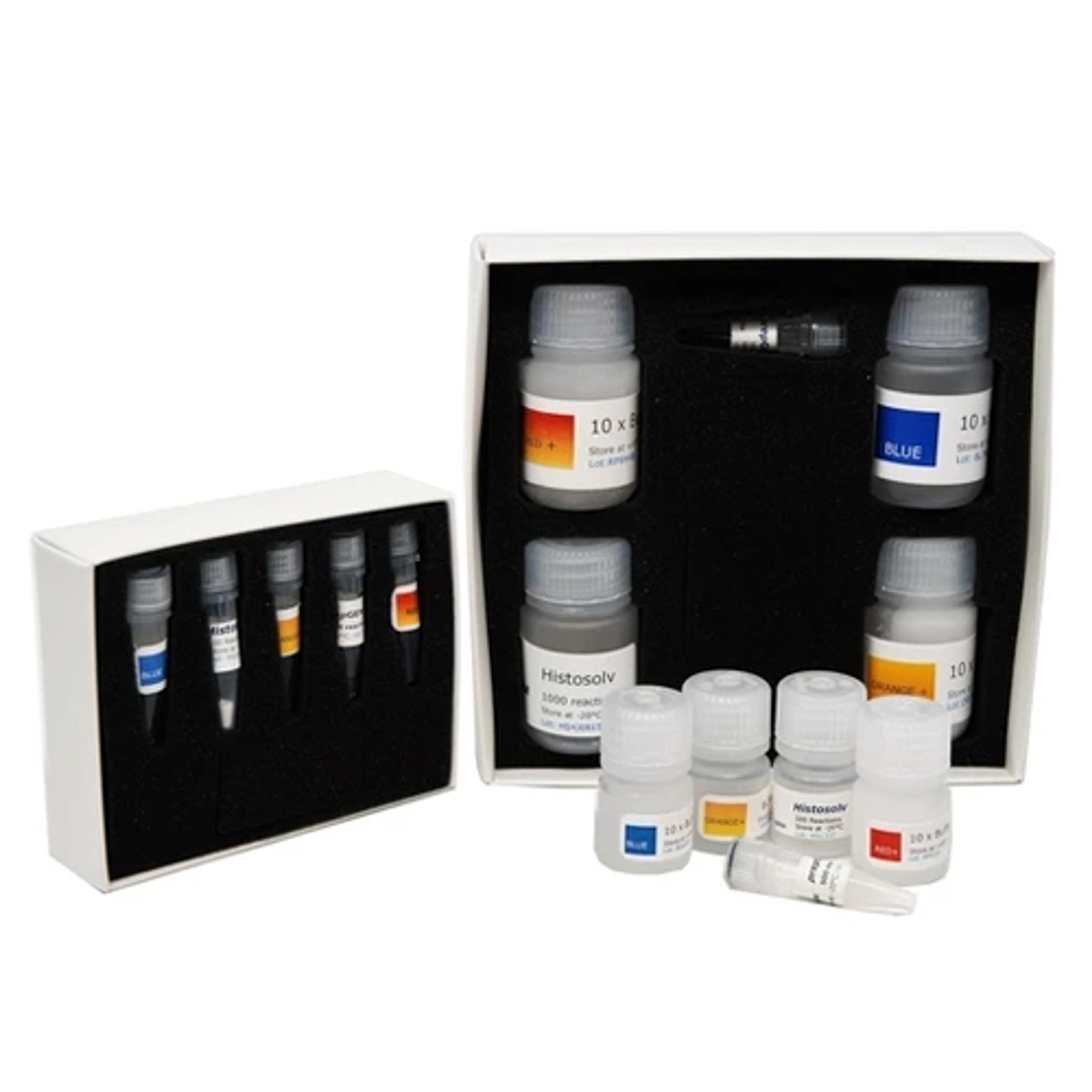
MicroGEMforensic GEM Sperm is a rapid kit for extracting DNA from tough sperm heads. Using temperature controls and single-tube process, this kit requires no reducing agents, such as SDS, mercaptoethanol or DTT, that inhibit qPCR and STR analysis, As a result, DNA is preserved, processing time is quick, and opportunities for contamination are minimized making this the perfect approach for differential extractions and y-screening.
prepGEM Universal
MicroGEMprep GEM Universal is a widely-used, adaptable reagent ideal for rapid DNA extractions from life science samples such as blood, saliva, cell culture, and tissue (including ear punches, tails, and insect). The heat-driven extraction is done in a single-tube with no harsh chemicals or additional steps so there is no loss of DNA, enabling extractions from very low sample volume. The kit is perfect for CRISPR/Cas9 gene editing applications.