SelectScience InterviewsSpectroscopy

Bruker tackles drugs of abuse and POPs issues

4 Jul 2024

Cameron Smith-Craig
Cameron Smith-Craig
Pharma and Applied Sciences Editor
Bruker tackles drugs of abuse and POPs issues

At ASMS 2024, Bruker made two significant new technology announcements in the field of mass spectrometry, introducing products that can be implemented in diverse areas such as drugs of abuse screening, and persistent organic pollutants (POPs) analysis.

Watch Jeffrey Zonderman, Senior Vice President at Bruker introducing the EVOQ™ DART-TQ+, a new high-end triple quad, highlighted as a greener and more efficient alternative to chromatographic methods, to be used for targeted analysis. The ecTOF™, a high-resolution GC-MS, is also introduced, providing a new solution for untargeted high-resolution screening.

This video was filmed at ASMS 2024. Explore our full coverage of this year's conference >>

About the company
Bruker logo

Bruker

Bruker provides the world’s most comprehensive range of scientific instrumentation available under one brand - a brand synonymous with excellence, innovation and quality for 50 years! Bruker is a leading provider of high-performance scientific instruments and solutions for molecular and materials research, as well as for industrial and applied analysis.

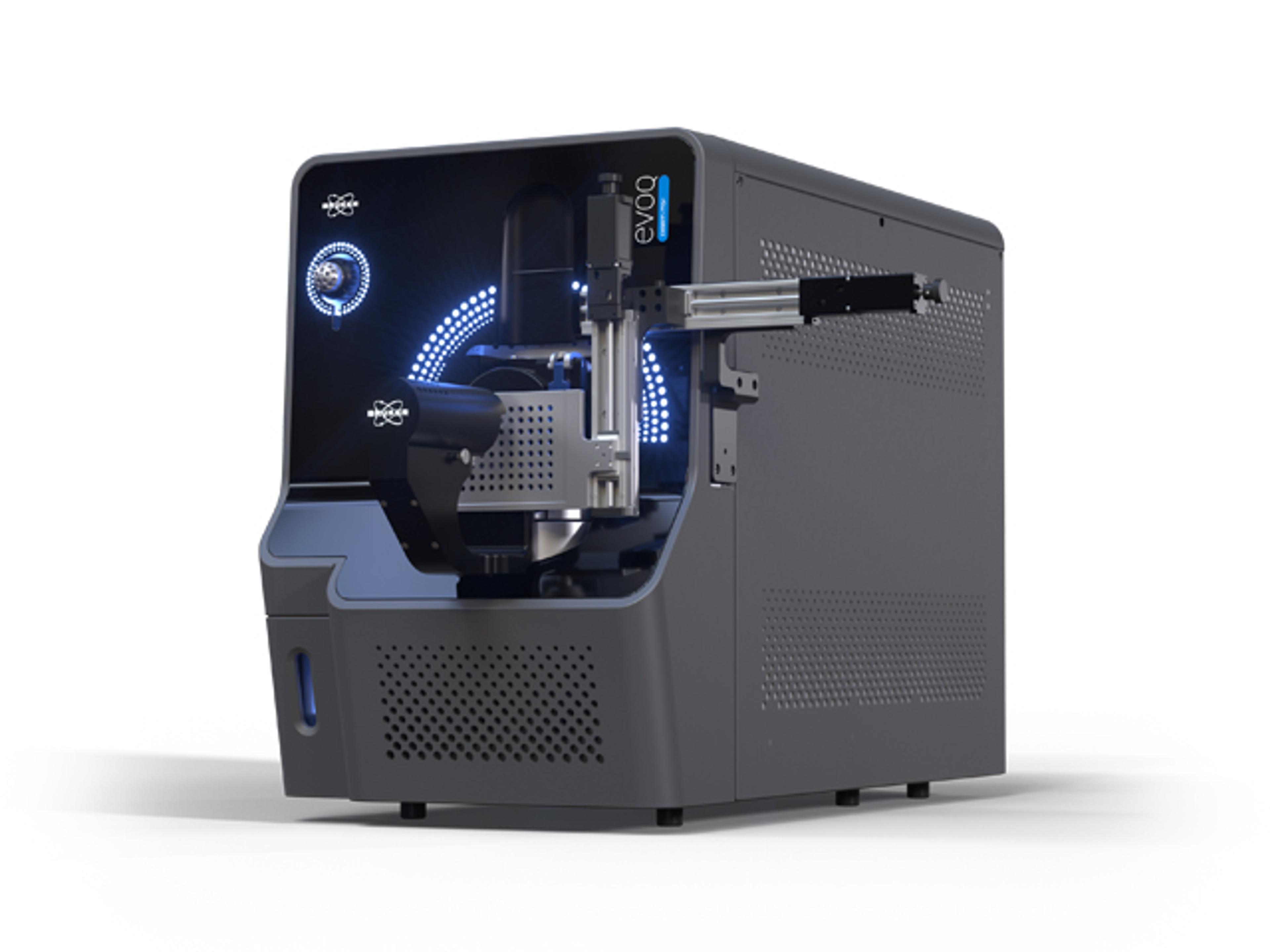
EVOQ DART-TQ+

Bruker Daltonics

The EVOQ® DART-TQ⁺ is the world's first triple quadrupole MS system specifically designed for DART ion source plug-and-play operation. This innovative system allows for the screening and quantitation of samples with exceptional speed, ultra-high sensitivity, and a reduced environmental impact. If conventional LC-MS workflows are required, you can switch from the integrated DART source to the VIP-HESI source in seconds.
(1)

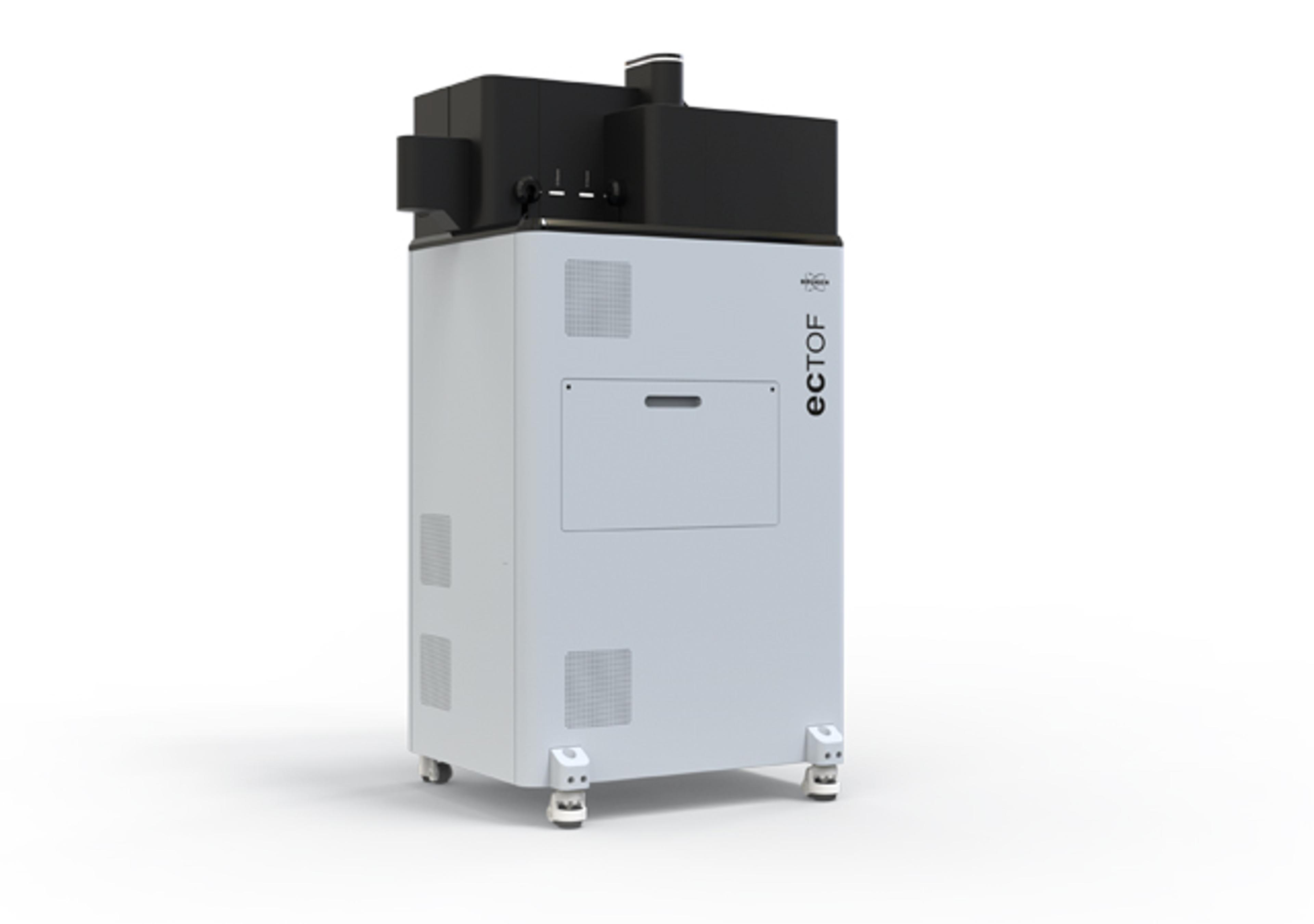
ecTOF

Bruker Daltonics

The ecTOF is the world’s first GC-HRMS with simultaneous acquisition of EI (Electron Ionization) and CI (Chemical Ionization) information in a single injection. While using EI as the gold-standard GC/MS ionization, the ecTOF in parallel operates a novel CI source. This way it simultaneously provides perfectly aligned accurate mass structural and molecular ion information within a single GC run.
(0)

Other videos from Bruker

Links

Tags

Mass SpectrometryMass spectrometry (MS) is a powerful analytical technique used to identify and quantify molecules based on the mass-to-charge ratio of gas-phase ions. It provides detailed information about the structure, composition, and properties of compounds and is widely used across fields such as environmental monitoring, materials science, drug discovery and development, food and beverage testing, and wider chemical research. Key MS techniques include tandem mass spectrometry (MS/MS), liquid chromatography–mass spectrometry (LS-MS) and inductively coupled plasma (ICP-MS). Choosing from these wide range of techniques and technologies can be a daunting task, so keep up to date with scientific applications, performance expectations, and customer reviews here all in one place. Visit our product directory to receive quotes direct from the manufacturer. GC-MS GC-MS (gas chromatography-mass spectrometry) instruments and equipment are used to separate, quantify and identify mixtures of small and volatile compounds, such as polycyclic aromatics, fatty acids and alcohols. Often used in drug detection, forensic investigation and environmental analysis for pesticides and contaminants, GC-MS is a powerful addition to your lab’s analytical capabilities. GC-MS/MS instruments equipped with a qTOF or triple quadrupole analyzers can give greater sensitivity and resolution to your analysis. Find the best GC-MS instruments and equipment in our peer-reviewed product directory: compare products, check customer reviews and receive pricing direct from manufacturers.Persistent Organic PollutantsDrugs of AbuseA drug of abuse is a drug that has been taken for non-medical purposes. Such drugs can have mind-altering effects, with some causing dependence and addiction.ASMSThe American Society for Mass Spectrometry (ASMS) is an organization dedicated to advancing the science and application of mass spectrometry. ASMS supports professionals through events, publications, and research initiatives, promoting innovation in areas like proteomics, metabolomics, and environmental analysis.