
ResourceSpectroscopy
Xylene Soluble Content in Polypropylene
5 Jun 2017This application note presents a TD-NMR method for the fast analysis of xylene soluble content in polypropylene. The method is operator independent and requires no harmful solvents or dedicated lab-space.
Related products
Request Quote for All Products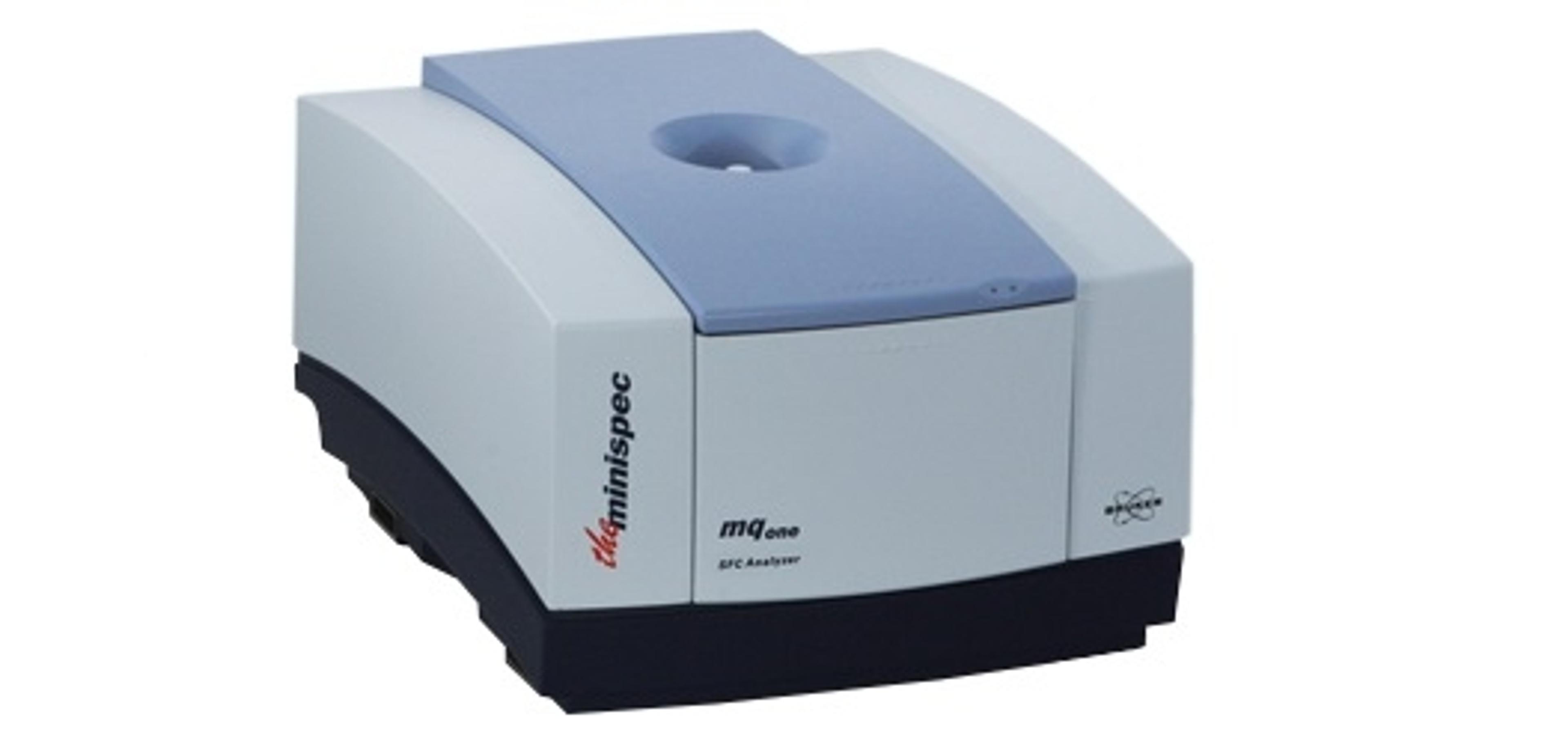
Minispec mq-one Series TD-NMR Analyzer
Bruker BioSpinThe One Solution for Your Dedicated QC Application
Links
Tags
NMR and EPR SpectroscopyNuclear magnetic resonance (NMR) spectroscopy is used to resolve the local chemical environment of atomic nuclei with spin, revealing information on molecular structure, dynamic processes and chemical reactions of organic molecules, from proteins to synthetics. Electron paramagnetic resonance (EPR) also known as electron spin resonance (ESR) spectroscopy is used to detect and quantify paramagnetic species in a sample, including free radicals as transition metal ions. By immersing the sample in a strong magnetic field, both NMR and EPR spectrometers probe the sample with either radio waves or microwaves respectively. A range of benchtop, solid-state and time domain NMR spectrometers & EPR spectrometers are available, as well as NMR tubes, NMR solvents, software, coils, and magnets. Find the best NMR & EPR equipment in our peer-reviewed product directory: compare products, check customer reviews and receive pricing direct from manufacturers.XylenesQuality ControlQuality control is needed in all production processes. Quality control is a monitoring procedure or set of procedures that are put in place to ensure that a manufactured product adheres to a defined set of quality criteria.