ResourceLife Sciences
White paper: Deep immune profiling with the Maxpar Direct Immune Profiling System
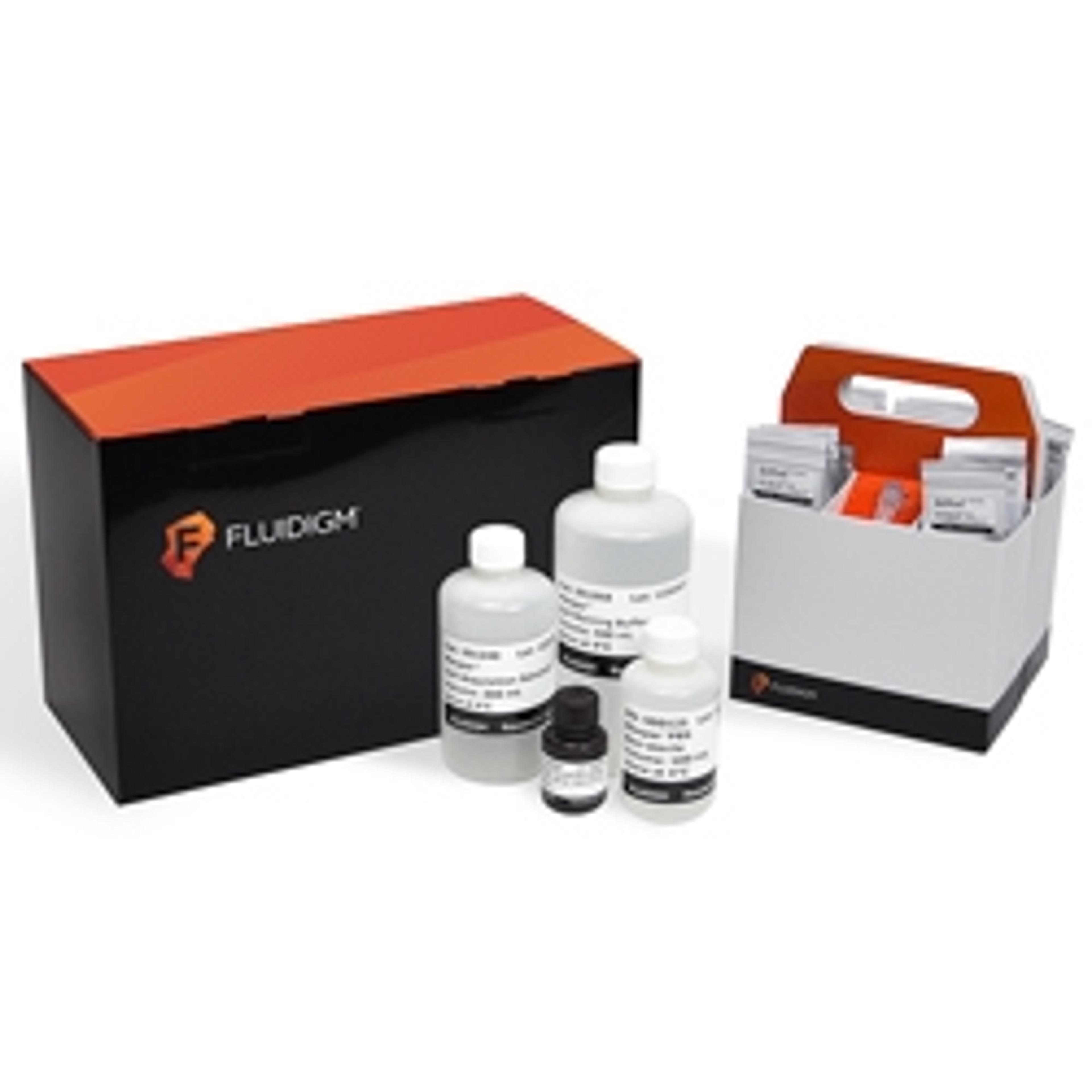
29 Apr 2020Immune profiling is the practice of identifying and quantifying immune populations according to their phenotypic and functional features. Performing immune profiling longitudinally, a process referred to as immune monitoring is an especially valuable technique to study conditions where the immune system plays a key role in the pathology, progression, or resolution of disease. In this white paper, Fluidigm introduces the Maxpar Direct Immune Profiling Assay, designed to provide a convenient and reliable solution for deep immune profiling.
Links
Tags
AntibodiesAntibodies are used in techniques such as confocal and fluorescence microscopy, flow cytometry, ELISA, ELISPOT, immunohistochemistry, western blotting and immunopreciptation. Select specific antigen reactivity, high specific affinity, low non-specific binding, monoclonal or polyclonal, primary or secondary antibodies and associated conjugates such as an enzyme or dye for visualization.Cell-Based AssaysCell-based assays are used to monitor the presence, quantity and activities of a desired cellular analyte including drug molecules or biomarkers. This can reveal information on cell health (apoptosis, cytotoxicity, viability and proliferation assays), cell metabolism, cell migration and cell signaling mechanisms. Find the best cell-based assay products, kits and equipment with our peer reviewed product directory: compare products, check customer reviews and receiving pricing direct from manufacturers.AutoimmunitySingle Cell AnalysisSingle-cell analysis involves studying individual cells to gain insights into their behavior, gene expression, and function. This approach is valuable in cancer research, stem cell biology, and immunology. Explore single-cell analysis products in our peer-reviewed product directory; compare products, check reviews, and get pricing directly from manufacturers.Assay DevelopmentThe process of proving an assay to be sensitive with respect to the target is known as assay development. The assay should be able to characterize novel compounds and measure the potency of these compounds against a validated biological target.