ResourceSeparations

Which P-2000 Model Do I Need?

7 May 2017

This technical note contains useful information for choosing the model of P-2000 laser puller best suited to your needs. It describes the differences between the P-2000/G and P-2000/F, and discusses which applications each is best suited to.

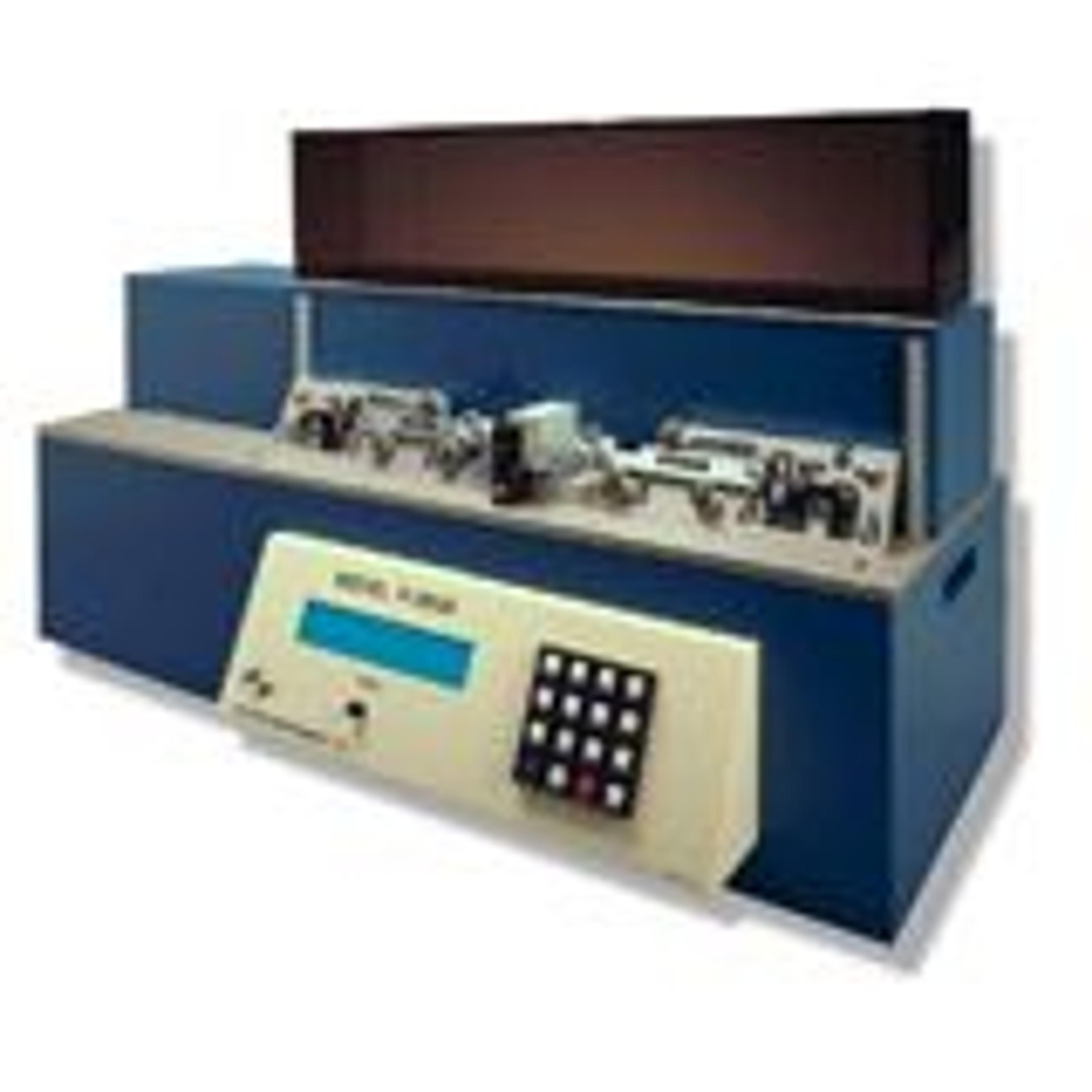
P-2000 Laser Based Micropipette Puller

Sutter Instrument Co.

A significant advance in the technology of fabrication of micropipettes, optical fiber probes, and nanospray tips, is offered with the P-2000 micropipette puller. The P-2000 integrates a CO2 laser-based heat source with the technology derived from our extensive experience with conventional pullers. This system offers capabilities unmatched by other pullers. Key Features: Capable of pulling quartz, borosilicate and aluminosilicate glass. Fully programmable — including heating filament characteristics. The laser has no melting point limit as with conventional metal filaments; and therefore, cannot be burned out. Pulls electrodes with tip diameters smaller than 0.03µm. Optimized velocity sensing circuit for maximized sensitivity and reproducibility. Operating life of the CO2 laser is expected to be in excess of ten years with normal use, after which the laser can be refurbished by the Sutter Instrument Company for a nominal charge. Individual programs can be write-protected in order to secure them from inadvertent changes. The total time that the heat is on during the pull is displayed for improved program development and troubleshooting. A date and time stamp is displayed to show the last time that a program has been changed. The P-2000/F is ideal for applications such as nanospray and NSOM. Preprogrammed sample programs for intra-cellular and patch pipettes. Special programming available upon request.

(1)

Links

Tags

UHPLC and HPLCHigh performance liquid chromatography (HPLC) and ultra high performance liquid chromatography (UHPLC), also known as UPLC, are analytical techniques used to separate, identify and quantitate components of complex mixtures including biological samples such as proteins and lipids as well as chemical mixtures of pesticides, drugs and oils. Both techniques are liquid chromatographic methods but differ by operating pressures (HPLC < 6000 psi < UHPLC ). Components of HPLC and UHPLC systems include columns, detectors, pumps, autosamplers and column heaters. Explore a range of UHPLC and HPLC columns for your specific sample needs including reverse phase, normal phase, ion exchange, HILIC, ion exclusion and size exclusion columns. For more specialized HPLC, explore FPLC, countercurrent LC and simulated moving bed systems. Find the best UHPLC and HPLC equipment in our peer reviewed product directory: compare products, check customer reviews and receive pricing direct from manufacturers.Sample PreparationSample preparation can improve the quality and speed of separation techniques. Products to assist sample preparation include filtration equipment, evaporators, membranes and sieves.Mass SpectrometryMass spectrometry (MS) is a powerful analytical technique used to identify and quantify molecules based on the mass-to-charge ratio of gas-phase ions. It provides detailed information about the structure, composition, and properties of compounds and is widely used across fields such as environmental monitoring, materials science, drug discovery and development, food and beverage testing, and wider chemical research. Key MS techniques include tandem mass spectrometry (MS/MS), liquid chromatography–mass spectrometry (LS-MS) and inductively coupled plasma (ICP-MS). Choosing from these wide range of techniques and technologies can be a daunting task, so keep up to date with scientific applications, performance expectations, and customer reviews here all in one place. Visit our product directory to receive quotes direct from the manufacturer. Nanotubes