
Which Impeller Is Right for Your Cell Line? A Guide to Impeller Selection for Stirred-Tank Bioreactors
31 Jan 2014This application note describes six commonly used fermentor and bioreactor impellers, explain how they work, and identify which may perform best for culturing certain animal, insect, plant, yeast, and bacterial cell lines.
Related products
Request Quote for All Products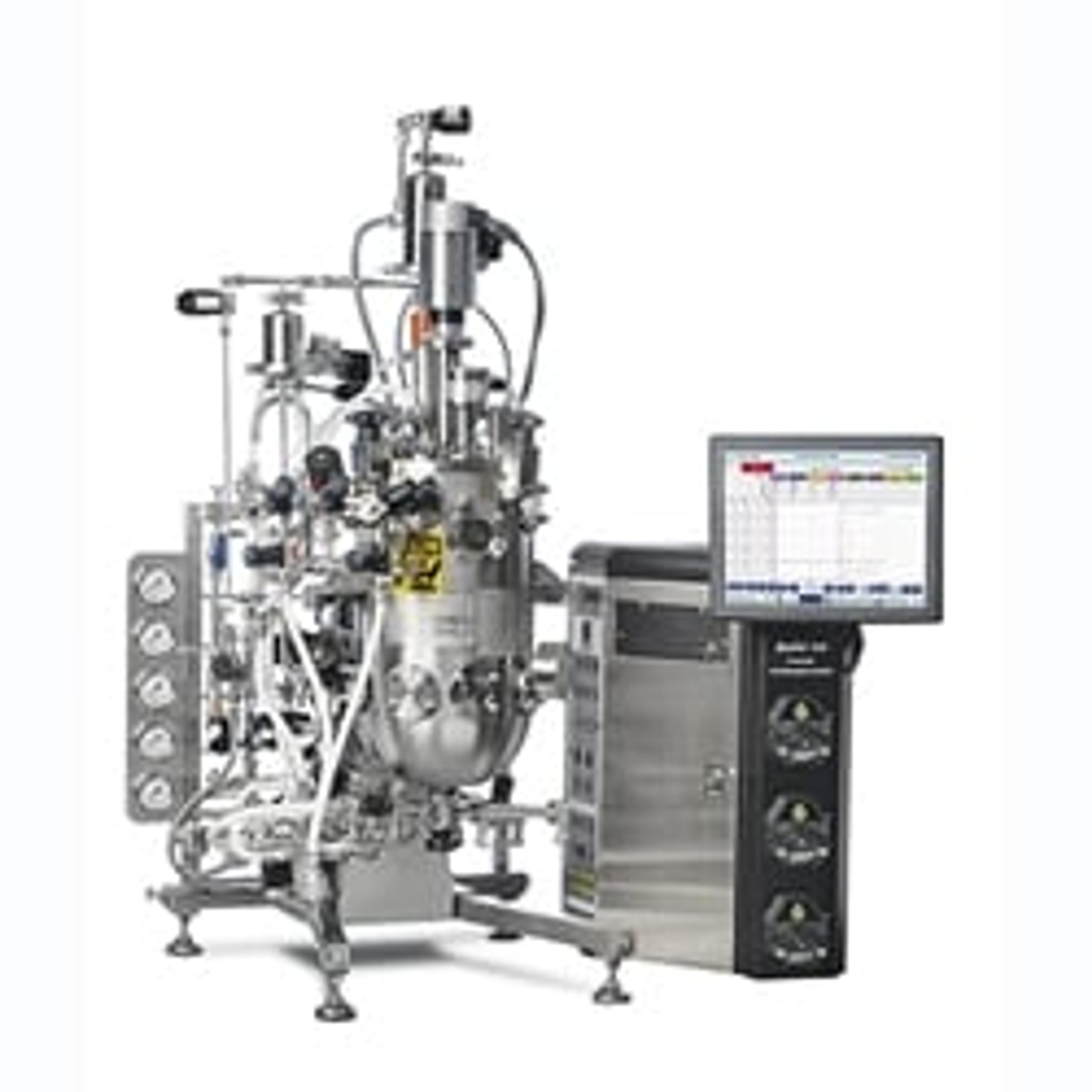
Eppendorf New Brunswick™ BioFlo®/CelliGen® 510
EppendorfBioFlo 510 Fermentors and CelliGen 510 Bioreactors are intermediate systems ideal for pilot to small scale production processes. The modular design features a wide variety of standard options allowing this system to be flexible enough to meet most process requirements. Eppendorf New Brunswick™ BioFlo®/CelliGen® 510 Working volumes: 10.75 L to 32.0 L Applications: Laboratory and pilot scale fermentation of aerobic and anaerobic bacteria, yeasts, and fungi; Laboratory and pilot scale cell culture of mammalian, insect, and human cell lines; Special applications such as stem cell culture, vaccine, monoclonal antibody, or biofuel/biopolymer production; Suitable for batch, fed batch, and continuous processes
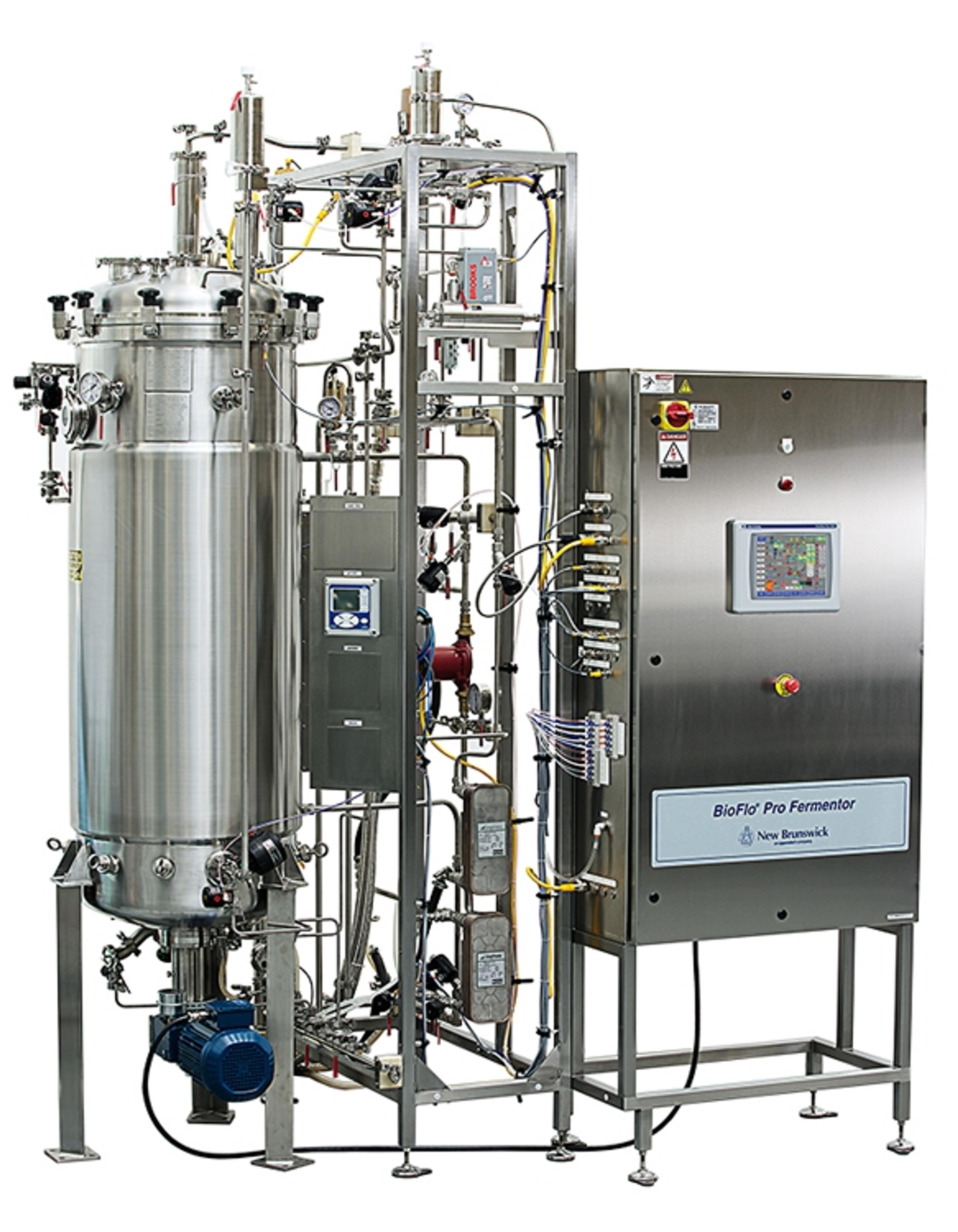
Eppendorf New Brunswick™ BioFlo® Pro
EppendorfBioFlo Pro Fermentors are modular systems designed for quick delivery, dependable operation and system flexibility, all at an affordable price. Pro systems utilize industry-standard components for dependable operation, and an Allen Bradley® CompactLogix™ programmable-logic controller (PLC) for easy integration into any production facility. The modular design enables multiple options to be added, removed, or changed at any time to meet your various process requirements. Fermentors available in 120, 240, 400, & 1200 liter sizes. BioFlo® Pro Working Volumes: 45 L to 120 L 68 L to 240 L 103 L to 400 L 375 L to 1200 L Applications: Pilot and large scale fermentation of aerobic and anaerobic bacteria, yeasts, and fungi; Special applications such as vaccine or biofuel/biopolymer production; Suitable for batch, fed batch, and continuous processes