
Western blotting: Principles and methods
16 Jan 2023Since its first description in 1979, Western blotting has become one of the most widely used methods in life science research. Whether you’re a beginner or an expert, this handbook from Cytiva is meant to guide and inspire. Here, Cytiva shares the latest expertise and technology to support your success from sample preparation to analysis. It describes the theoretical and practical aspects of the technique along with useful hints and tips. Over the past decade, improved detection methods and software have brought quantitative analysis to Western blotting. Here, Cytiva gives examples of protocols that can help you get even more quantitative data from your Western blots.
Related products
Request Quote for All Products
Amersham brand ImageQuant TL image analysis software
CytivaImageQuant™ TL is an advanced analysis software designed specifically for blots and 1D gel image analysis and quantification.
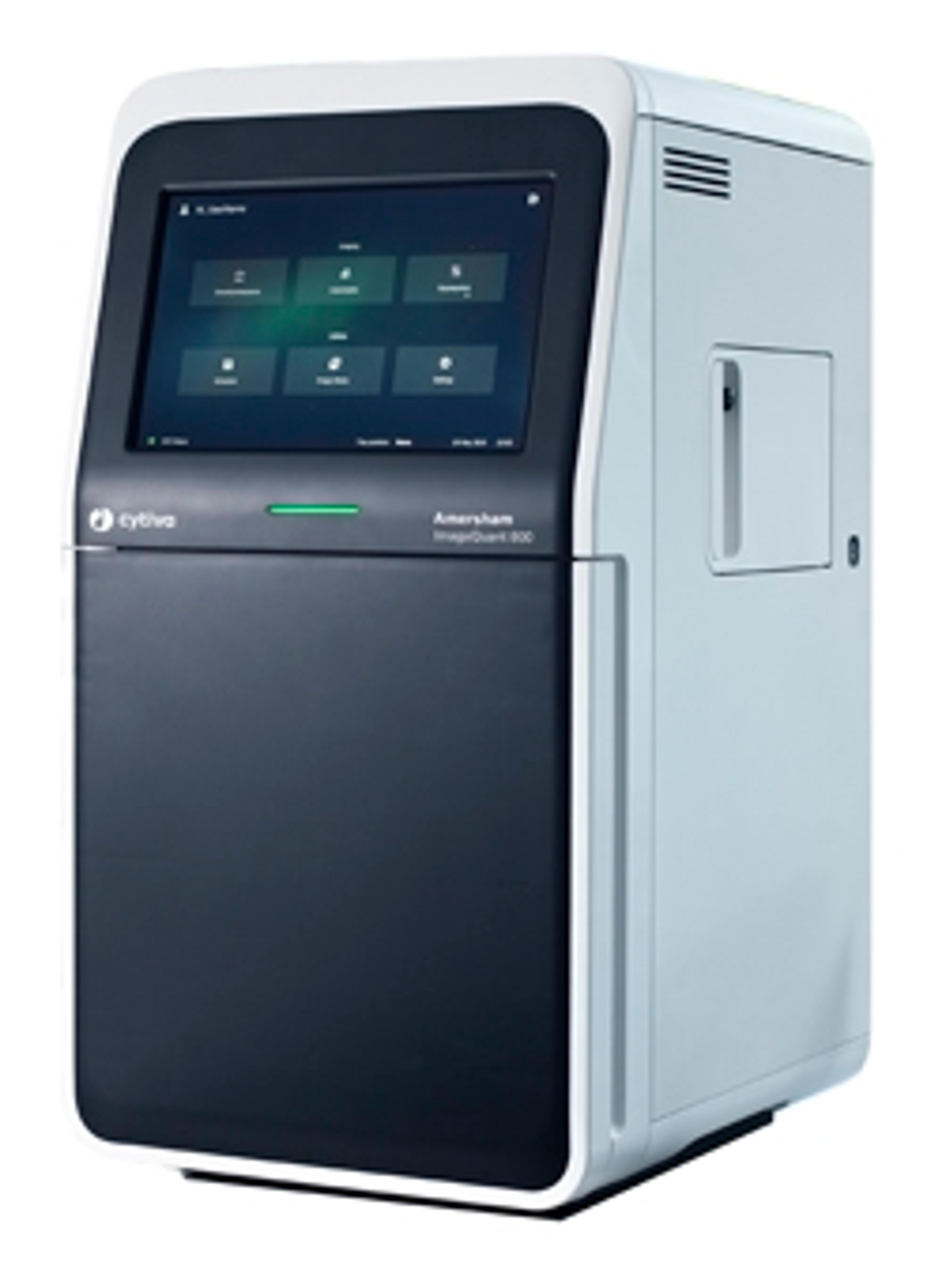
Amersham ImageQuant 800 systems
CytivaFlexible imagers with automated features for sensitive, accurate chemiluminescence and fluorescence detection. To support your electronic data management, an optional GxP module is available, designed to meet increasing requirements of regulations like FDA 21 CFR part 11 and EU GMP Annex 11.