ResourceGeneral Lab
Weighing 101
16 Jan 2019Measuring weight with accuracy and precision remains one of the most critical components in almost every business. Despite booming technology advances in scale hardware and supporting software, having the right equipment is only a part of the equation – knowing how to weigh properly involves two key components, which work to mitigate the external influences and user errors that can be detrimental to precise weighing: Chosing the right balance location and proper balance operation.
Links
Tags
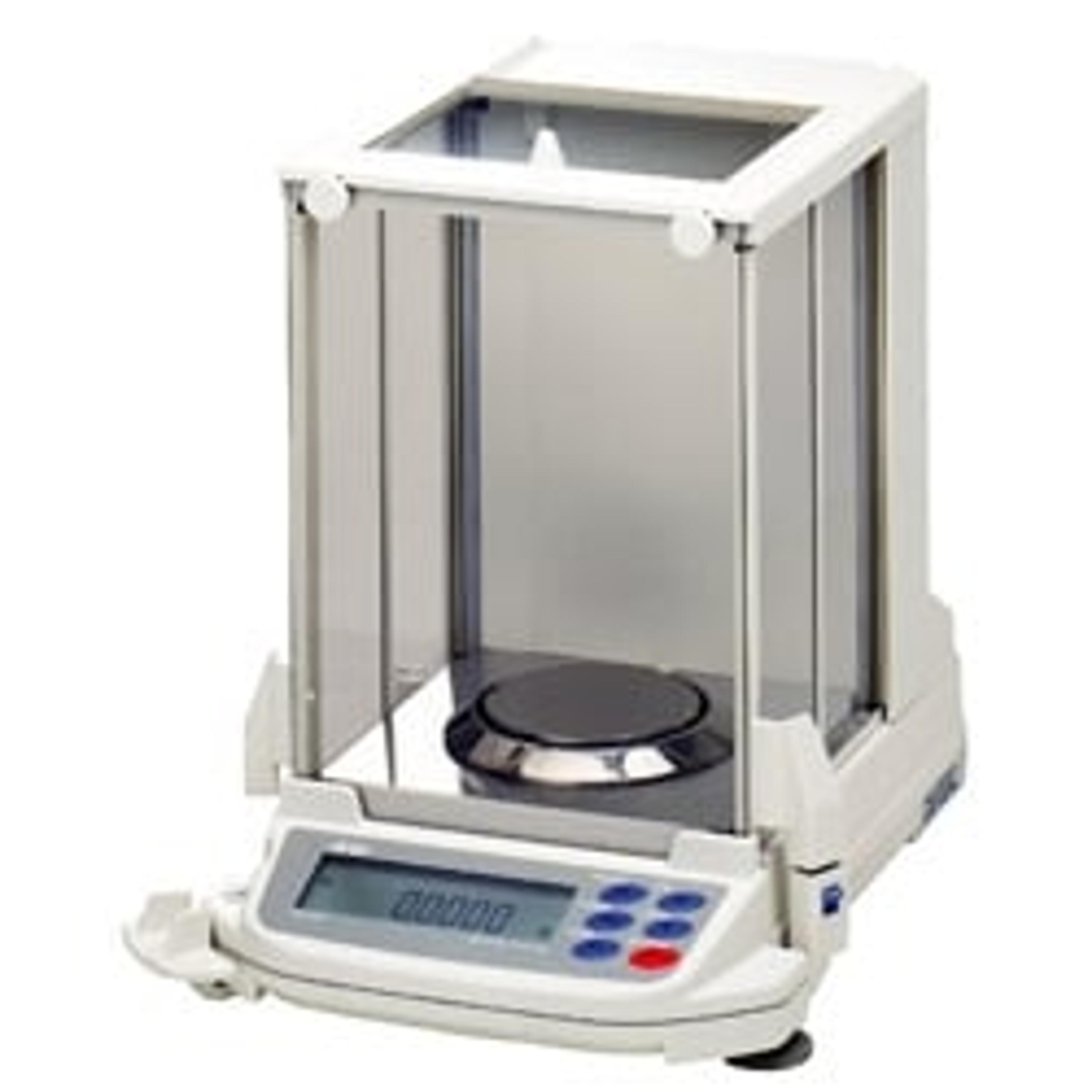
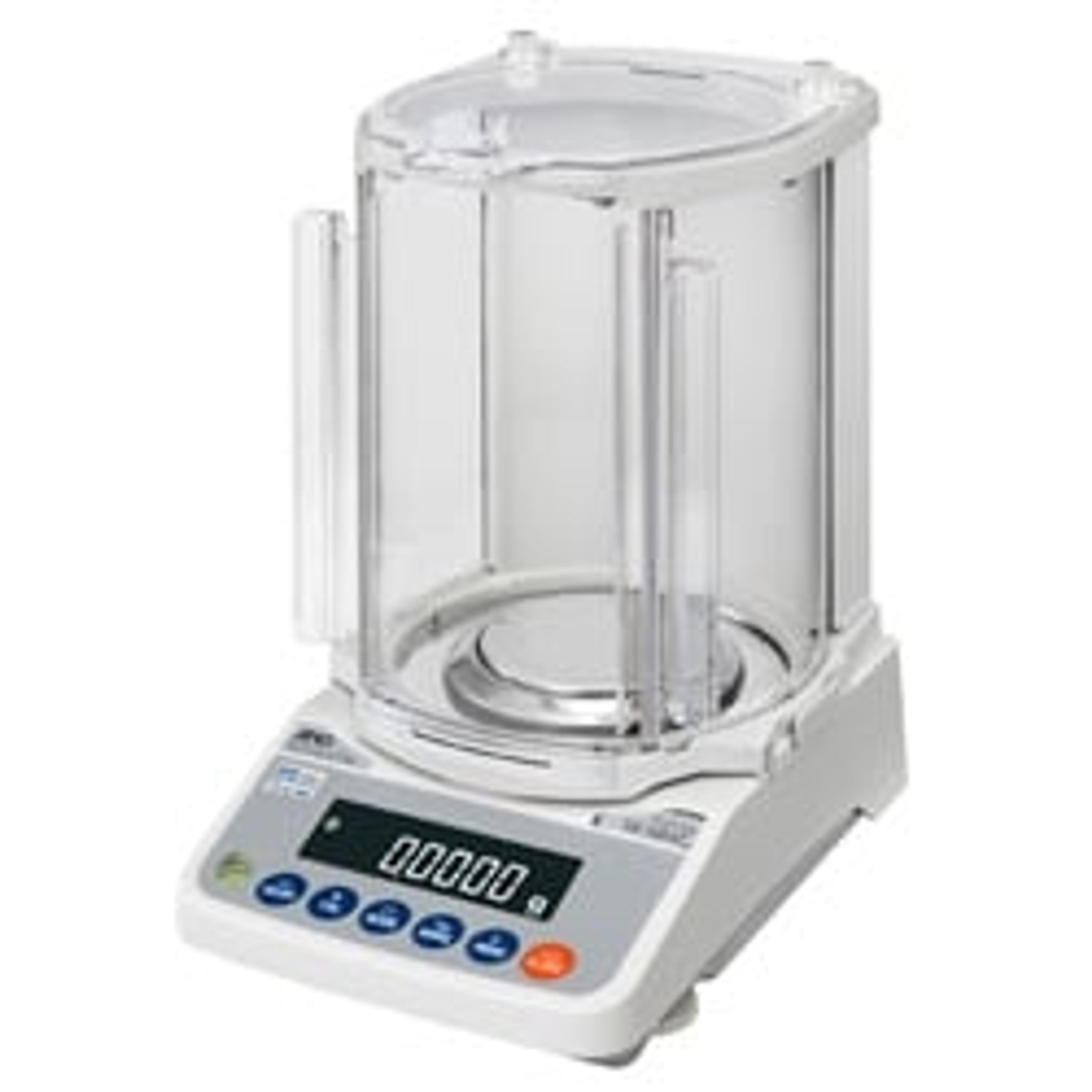
Balances and Moisture AnalyzersBalances & Moisture Analyzers / weighing scales measure static or dynamic loads. Features to consider when choosing an analytical balance include accuracy, capacity and resolution. Additional features and specialized balances include enclosures for weighing powder, microbalances for measuring small quantities, portable balances, moisture analyzers, top loading balances and internal calibration for measurements over time or with varied temperature.Laboratory ManagementLaboratory management involves overseeing the operations of a lab, ensuring compliance with safety regulations, optimizing workflows, and maintaining equipment. Efficient lab management is key to ensuring accurate results and minimizing downtime. Technologies like laboratory information management systems (LIMS) and automated lab equipment are helping labs streamline operations. Browse our peer-reviewed product directory to find the best laboratory management tools, compare products, read reviews, and get pricing directly from manufacturers.