
Water for GC-MS Analysis
16 Apr 2013Read the featured application note to learn about new methods for generating ultrapure water that is free from volatile organic compounds and is suitable for sensitive applications such as purge-and-trap GC/MS.
Related products
Request Quote for All Products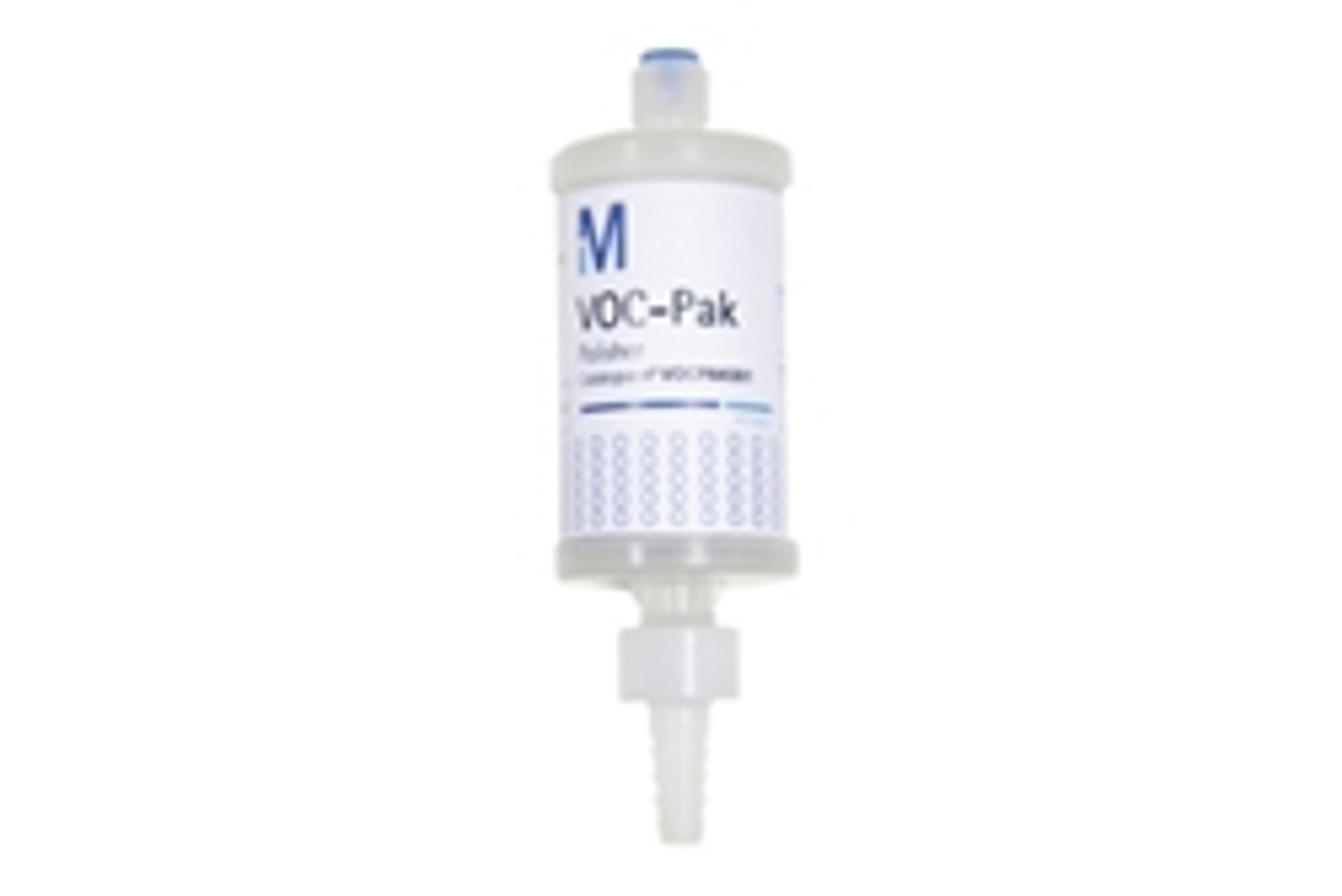
VOC-Pak™ Point-of-Use Polisher
MerckThe VOC Pak is designed to produce water with VOC concentration below the analytical detection limit. VOCs are industrial contaminants that may cause health safety issues and therefore should be detected in the environment. VOCs are routinely analyzed in water, soil, gas and air. Specifications for VOCs in drinking water have been established by different regulatory agencies in many countries.The VOC-Pak cartridge is designed to assure scientists performing VOC analysis that the ultrapure water they use to rinse glassware, produce standard solutions or dilute samples is VOC-free.Featured at EMD Millipore Pittcon 2014.VOC-Pak™ Point-of-Use Polisher Benefits: The VOC-Pak™ polisher is easily connected to the outlet of all EMD Millipore Type I water purification systems (Milli-Q®, Direct-Q®, Synergy® and Simplicity® systems) The final purification step provides VOC-free ultrapure water at high flow rate—when you need it Delivers a minimum of 300 l of VOC-free ultrapure water Validated for efficient removal of VOCs Each VOC-Pak™ cartridge is delivered with a Certificate of Quality