
ResourceSpectroscopy
UV Fluorescence Polarization as a Means to Investigate Protein Conformational and Mass Change Using Intrinsic Tryptophan Fluorescence in Conjunction with UV-capable Polarizers
13 Oct 2014The essential amino acid tryptophan is intrinsically fluorescent with excitation in the UV range of the spectrum. This physical characteristic can be used to investigate peptides and proteins that contain this amino acid. This application note describes the use of the Synergy H1 reader in conjunction with UV-capable fluorescence polarizers to investigate conformational and mass changes of proteins in solution.
Related products
Request Quote for All Products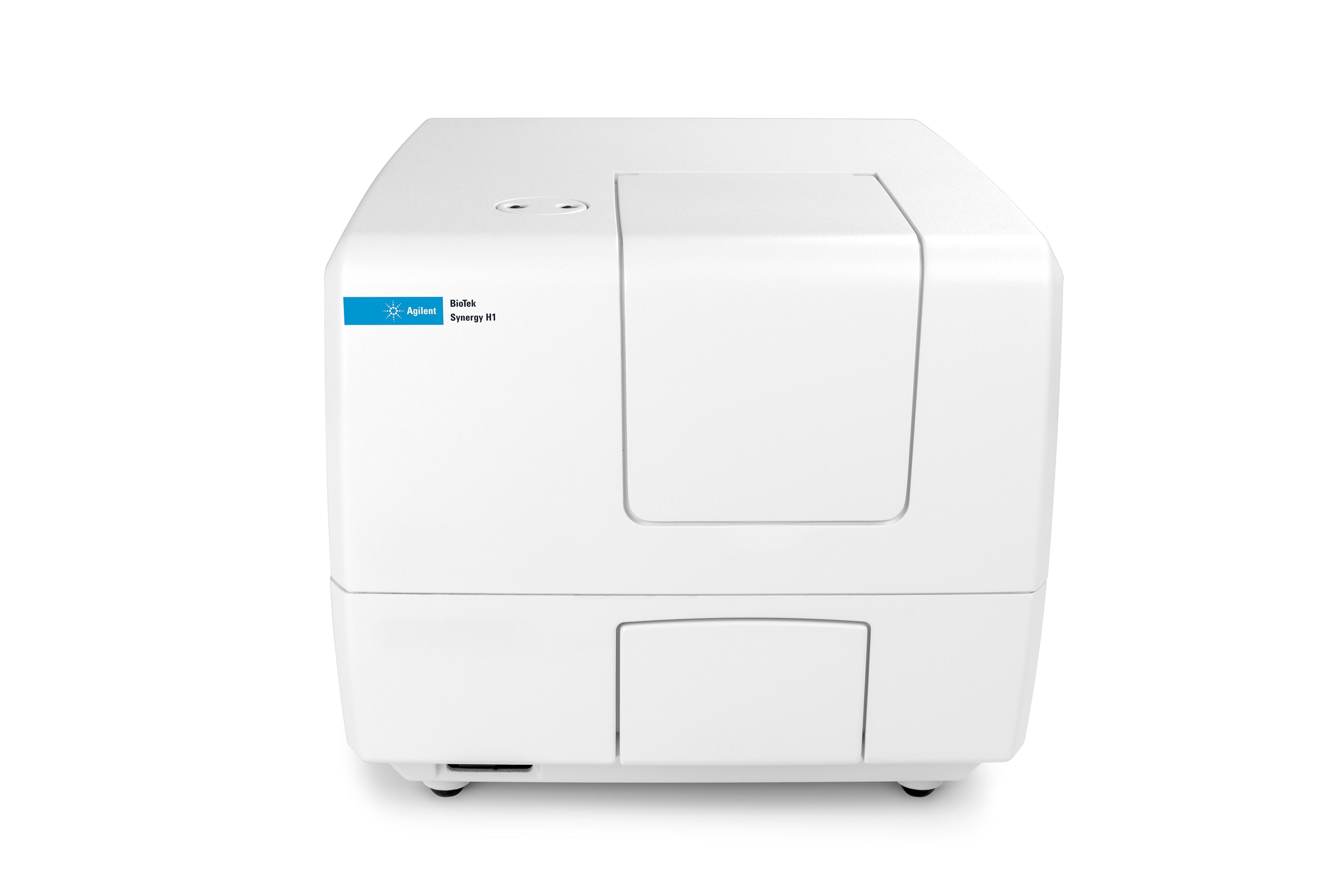
Agilent BioTek Synergy H1 Multimode Reader
Agilent TechnologiesAgilent BioTek Synergy H1 is a modular multi-mode microplate reader, with monochromator-based optics and filter-based optics. The proprietary Hybrid Technology offers flexibility and sensitivity across a broad range of applications. The modular platform allows upgrading to expand functionality as your laboratory workflows change.
Links
Tags
UV-Visible SpectroscopyUltraviolet-visible (UV-Vis) spectrophotometers are used to measure the interaction of UV and visible light with a sample, including transmission, reflectance & absorbance. The two major instrument classes are single-beam or double-beam spectrophotometers. More specialized equipment includes colorimeters, spectroradiometers and refractometers. Portable and microvolume spectrophotometers are also available. For the modular spectroscopy lab, explore a range of light sources for combination with a spectrograph/spectrometer and optics. Find the best UV-Vis spectroscopy products in our peer-reviewed product directory: compare products, check customer reviews and receive pricing direct from manufacturers.Microplate Readers / DetectorsMicroplate readers are used to automate the detection and analysis of labeled or label-free components in microplates during assays or live-cell monitoring. Microplate readers are generally distinguished by their mode of detection. Types include absorbance, luminescence, fluorescence intensity, fluorescence polarization, TRF / FRET and multimode microplate readers. Microplate readers deliver a high throughput of samples by reading multiple wells simultaneously, with the 96-well format the most commonly used. As a result, microplate readers are often used in the drug discovery, bioassays, research and pharmaceutical industries for screening applications. Microplate loading can also be automated, with robotic microplate stackers to increase throughput. Find the best microplate readers in our peer-reviewed product directory: compare products, check customer reviews and receive pricing direct from manufacturers.Protein BiologyThe analysis of protein expression, identity and function is vital for many areas of life science research and drug discovery. Some of the most commonly used techniques in protein analysis include Western blotting, electrophoresis and mass spectrometry.FluorescenceThe emission of fluorescence occurs when a photon of energy is supplied to a fluorescent chemical compound by an external source, causing it to become excited. Fluorescence can be detected and measured for different purposes using microplate readers, fluorescence microscopes, fluorescence scanners, and flow cytometers.