ResourceSeparations

Using the μPAC and Microsiac 4500 MiD for Cytochrome C Peptide Detection

4 Jul 2018

In this application note, Pharmafluidics demonstrates the linkage of the Microsaic 4500 MiD® to the μPAC™ column, producing a compact and high-res platform for separations.

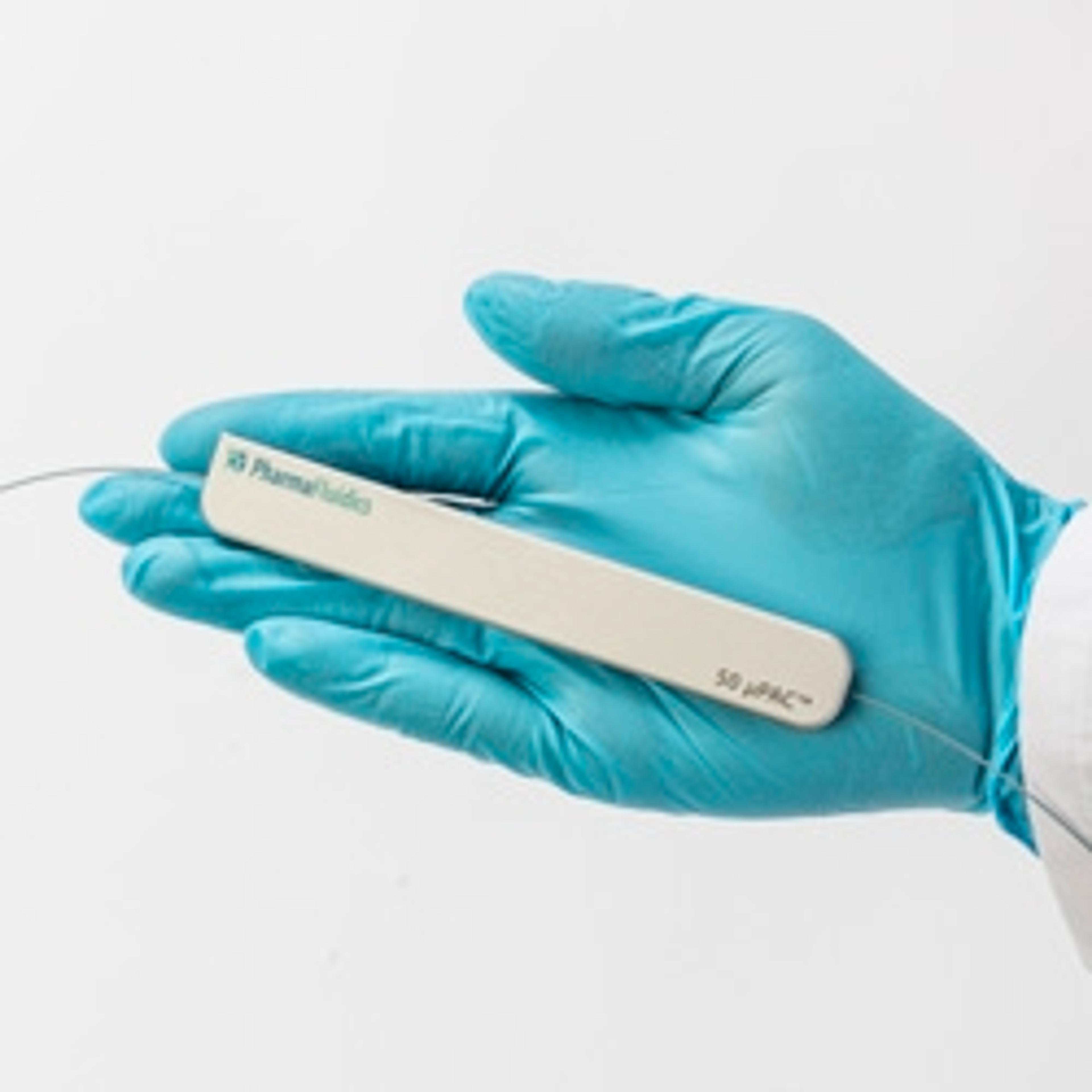
50 cm µPAC™ column

PharmaFluidics

With an internal volume of 3µL, this 50 cm long RP-C18 µPAC™ column is perfectly suited to perform high throughput analyses with shorter gradi­ent solvent times (30, 60 and 90-minute gradients) and it can be used over a wide range of flow rates, between 100 and 2000 nL/min. µPAC™ column, 50 cm length, with pillar array backbone at interpillar distance of 2.5µm, C18.
(0)

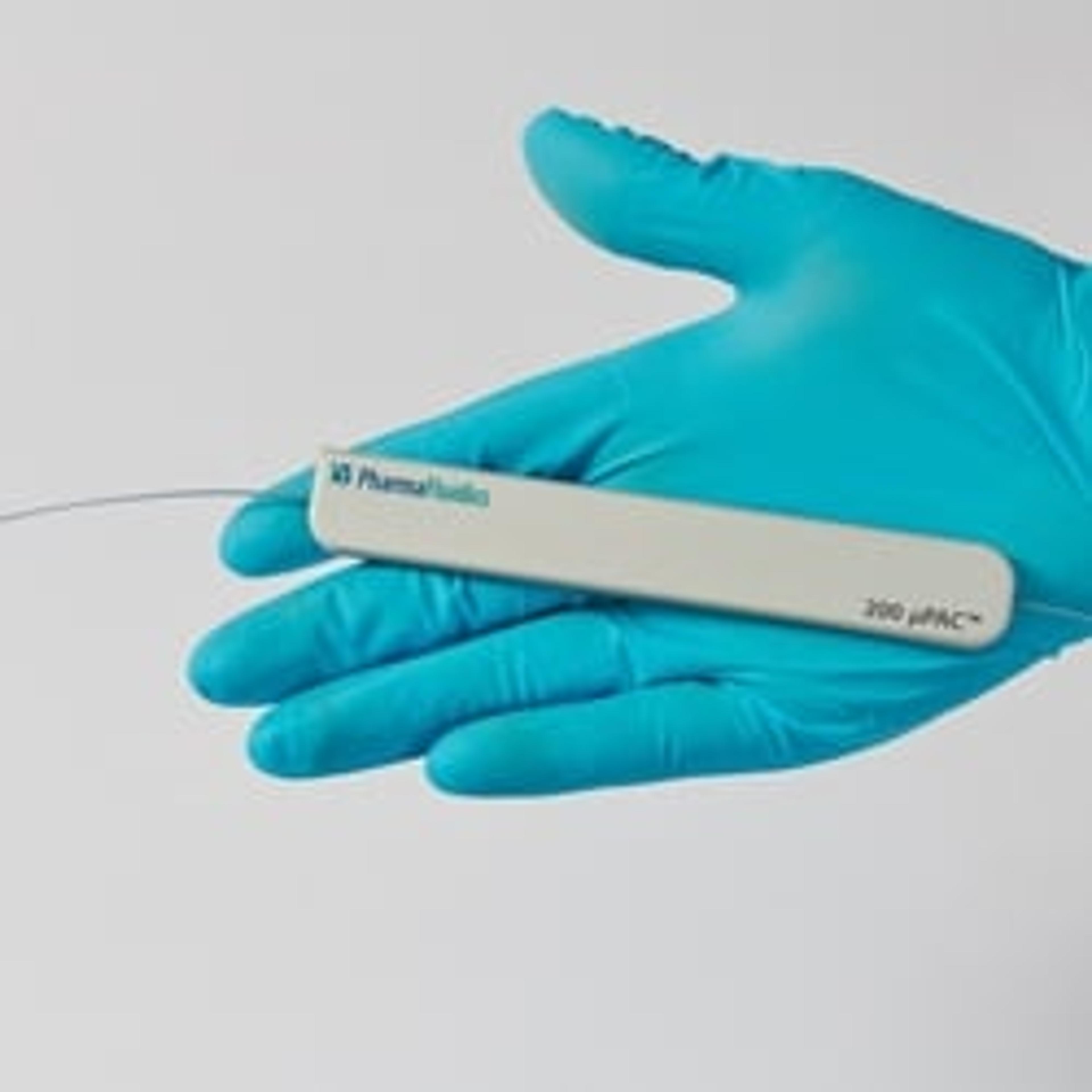
200 cm µPAC™ column

PharmaFluidics

As an alternative to conventional columns, PharmaFluidics offers micromachined nano-LC columns or micro Pillar Array Columns (µPAC™). These µPAC™ columns display exceptional separation properties with unprecedented peak capacity and narrow peak shapes at low operating back-pressure. µPAC™ column, 200 cm length, with pillar array backbone at interpillar distance of 2.5µm, C18.

(1)

Links

Tags

LC-MSLC-MS (liquid chromatography-mass spectrometry) systems and equipment are used for separation and quantitative analysis of complex mixtures, combining liquid chromatography and mass spectrometry. Quantify proteins, contaminants, pesticides or screen for drug metabolites with a high level of sensitivity. LC-MS systems and equipment include reverse phase, normal phase and specialized columns integrated with various MS detectors such as time-of-flight (TOF), quadrupole, orbitrap or ion trap mass analyzers. LC-MS/MS instruments equipped with a qTOF or triple quadrupole analyzer give greater sensitivity and resolving power to your analysis. Find the best LC-MS equipment in our peer-reviewed product directory: compare products, check customer reviews and receive pricing direct from manufacturers.Biopharmaceutical AdvancesBiopharmaceutical advances follow the development of pharmaceuticals derived from biotechnology, also known as biotechnology medicines. Biopharmaceuticals may be produced from cell lines, plants, or microbial cells. Important considerations of biopharmaceutical use include application, cost, production process and purification.Compound AnalysisCompound analysis is used to discover specific compounds that could be promising candidates for pharmaceutical use. This potential is identified when compounds have the desired effect, such as interaction with a target protein, during high throughput screening.
Using the μPAC and Microsiac 4500 MiD for Cytochrome C Peptide Detection