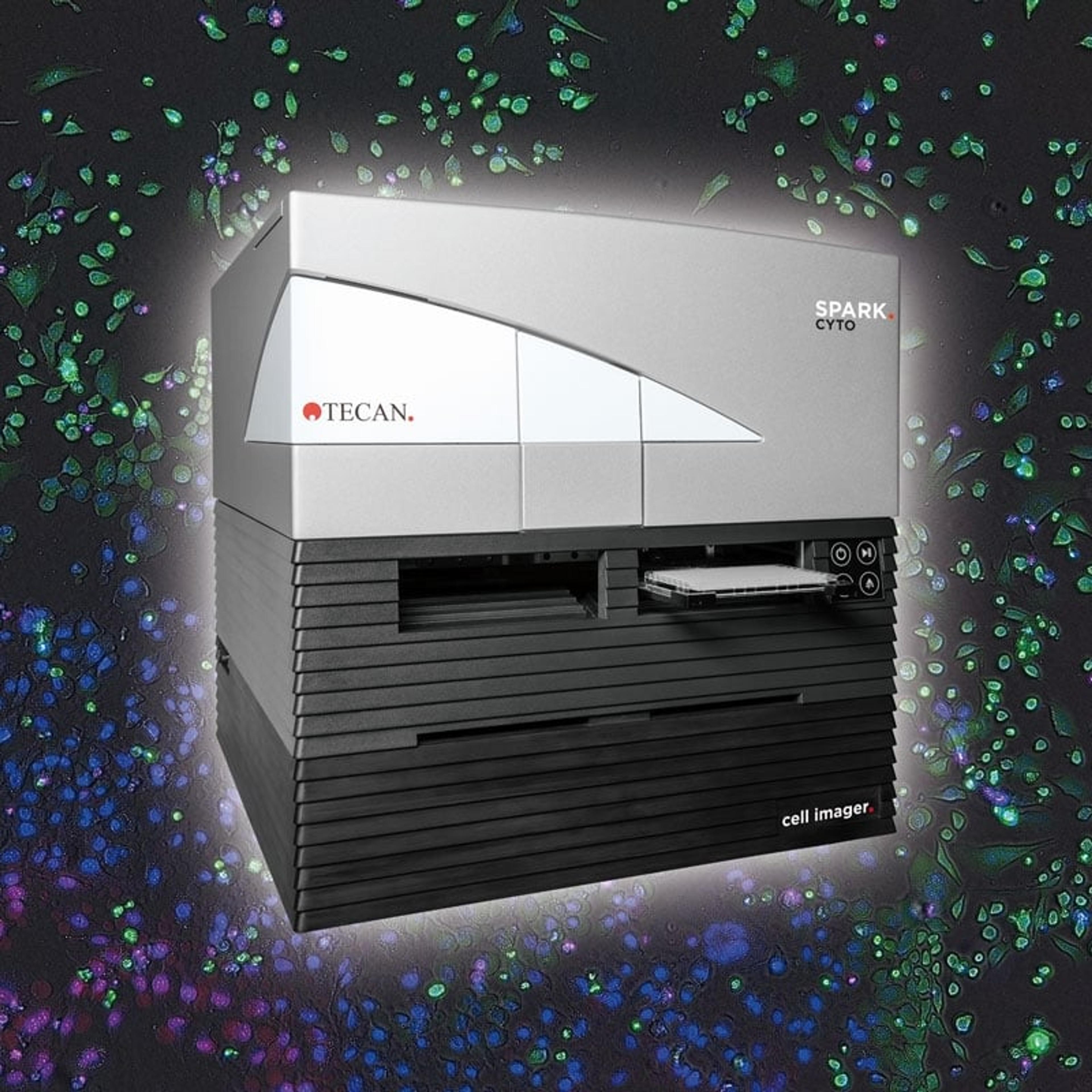
User guide to simplified & optimized multiplexing cell analysis

12 Oct 2020

Cell-based assays make up a large part of the workload for many laboratories. However, the major problem cell biologists often encounter when conducting in vitro cell-based assays is the lack of reproducibility of data. This can result from a range of factors, including physiological conditions, the use of end-point assays, and limitations in cell imaging technology.

In this eBook, learn how advances in cell-based technology such as real-time live-cell imaging and image-based cytometry can bring higher levels of automation, reproducibility, and flexibility to your cell-based research.

The eBook covers optimized multiplexing cell analysis protocols for:

  • Cell counting and confluence analysis
  • Imaging-based analysis of cellular transfection efficiency
  • Imaging-based assessment of cell viability and cytotoxicity
  • Analysis of cell death
  • Image-based detection of apoptosis
  • Normalizing cellular fluorescence
  • Monitoring intracellular calcium
  • Real-time experimental control for cell-based assays
  • Real-time experimental control for live cell fluorescence reporter applications

Spark® Cyto

Tecan

Spark Cyto is the first live cell plate reader to detect biological, chemical or physical events – capturing the maximum amount of data possible from each plate well, at the same time and under the same conditions.

(8)

Links

Tags

Microplate Readers / DetectorsMicroplate readers are used to automate the detection and analysis of labeled or label-free components in microplates during assays or live-cell monitoring. Microplate readers are generally distinguished by their mode of detection. Types include absorbance, luminescence, fluorescence intensity, fluorescence polarization, TRF / FRET and multimode microplate readers. Microplate readers deliver a high throughput of samples by reading multiple wells simultaneously, with the 96-well format the most commonly used. As a result, microplate readers are often used in the drug discovery, bioassays, research and pharmaceutical industries for screening applications. Microplate loading can also be automated, with robotic microplate stackers to increase throughput. Find the best microplate readers in our peer-reviewed product directory: compare products, check customer reviews and receive pricing direct from manufacturers.Cell-Based AssaysCell-based assays are used to monitor the presence, quantity and activities of a desired cellular analyte including drug molecules or biomarkers. This can reveal information on cell health (apoptosis, cytotoxicity, viability and proliferation assays), cell metabolism, cell migration and cell signaling mechanisms. Find the best cell-based assay products, kits and equipment with our peer reviewed product directory: compare products, check customer reviews and receiving pricing direct from manufacturers.Cell AnalysisThe analysis of cells allows researchers to understand the factors which contribute to cell health and function. These influencing processes can then be predicted and altered, leading to the development of medication and disease treatments.Live Cell ImagingLive cell imaging is the study of living cells using microscopes and high-content imaging systems. This technique provides in-depth insight into fast and complex biological processes, by allowing dynamic imaging of living cells instead of acquiring an individual image at a single point in time.MultiplexingMultiplexing refers to the ability to measure multiple targets or analytes simultaneously in a single experiment. This technique is valuable for high-throughput screening, diagnostics, and complex assays, as it increases efficiency and data quality. Browse our peer-reviewed product directory to find the best multiplexing products, compare tools, check reviews, and get pricing directly from manufacturers.
User guide to simplified & optimized multiplexing cell analysis