
ResourceMaterials
Unmatched visualization and measurement of nanoparticles
2 Nov 2020Analyzing nanoparticles such as colloids and proteins is inherently challenging. These particles are too small to image with visible light and must be imaged by laborious electron or scanning microscopy. Dynamic light scattering and laser diffraction have been successfully used to determine particle size and size distribution. These techniques are fast and accurate for certain samples, however, as they are ensemble techniques, high resolution distribution information cannot be obtained.
Related products
Request Quote for All Products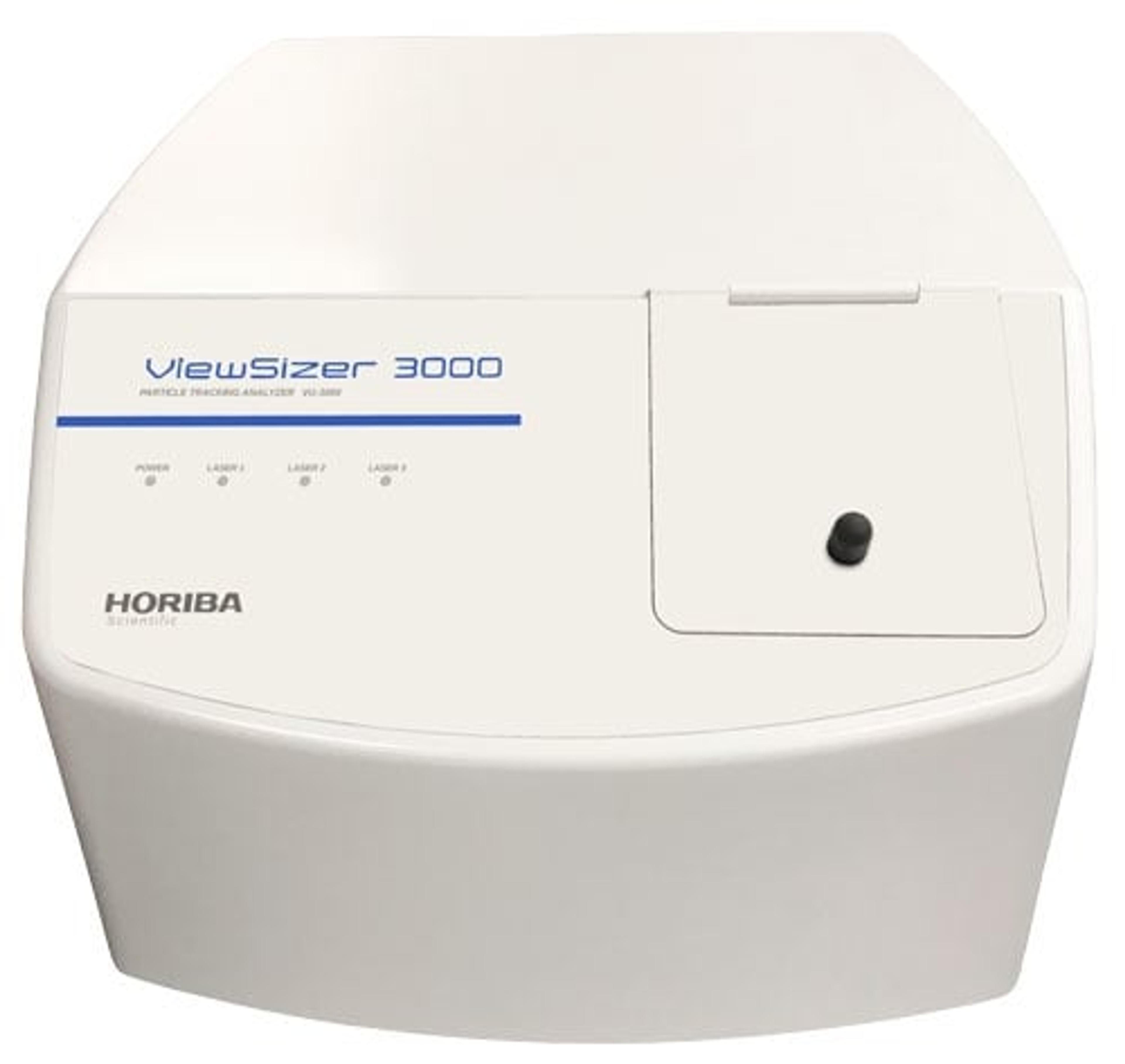
ViewSizer® 3000
HORIBA ScientificViewSizer ® 3000 performs individual particle analysis simultaneously on particles ranging in size from 10 nm to 15 µm.
Links
Tags
Particle CharacterizationParticle characterization instruments are used to determine particle size distribution, shape, surface area, zeta potential, density and porosity of particles and materials. Multiple tecchniques are available for determining particle size, shape and count including dynamic light scattering (DLS), laser diffraction, electrozone (Coulter technique), imaging particle analysis and single particle optical sensing. Determine the density of your material with a gas pycnometer or examine its surface area and porosity with gas adsorption analyzers and mercury porosimeters. Find the best particle characterization instruments in our peer-reviewed product directory: compare products, check customer reviews and receive pricing direct from manufacturers.NanoparticlesNanoparticles are between 1-100nm in size. Nanoparticles can be used for a wide variety of applications including biomedical, catalysis and electronics.