
ResourceLife Sciences
Transmitted Light Image analysis for Cell Count and Assessment of Cytotoxicity Effects
27 Mar 2019Numerous biological applications require monitoring of cell number, cell health, confluency, and proliferation during multiple time points without fluorescent markers or other labels. In particular, there is an increased need for reliable and efficient cell counting methods to assess a variety of cell responses when monitoring cells with transmitted light (TL) imaging.
Related products
Request Quote for All Products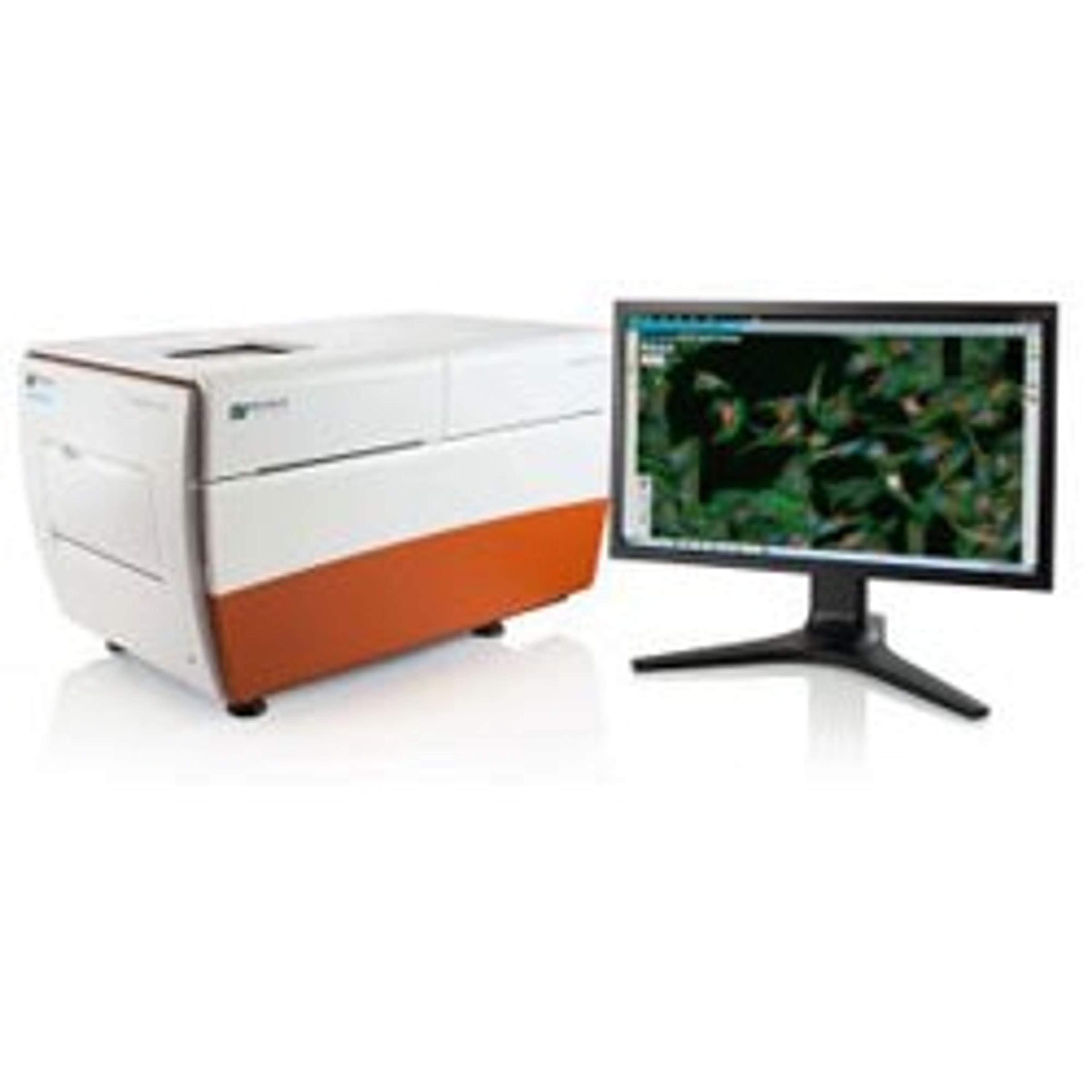
ImageXpress Nano Automated Imaging System
Molecular Devices®Easy, automated cellular imaging and analysis
Links
Tags
Flow Cytometry / Cell CountingFlow cytometers are used to count, sort and examine multiple characteristics of cells. Other cell analysis equipment includes image cytometers, cell counters, fluorescence-activated cell sorters (FACS), magnetic-activated cell sorters (MACS), and a range of flow cytometry assay kits. Flow cytometers can reveal information on cell viability, cell proliferation, apoptosis and cell cycle progression, as well as identify cell populations and intracellular or cell-surface molecules. Additionally, some flow cytometers, known as FACS, have an additional sorting function after analysis. Cell counters and image cytometers count live and dead cell populations and can also conduct cell proliferation assays. Find the best flow cytometers, cell counters and cell sorters in our peer-reviewed product directory: compare products, check customer reviews and receive pricing direct from manufacturers.CytotoxicityCytotoxicity assays measure the toxic effects of substances on cells, often used in drug testing and environmental studies. These tests are crucial in determining the safety of chemicals and pharmaceutical compounds. Explore cytotoxicity testing tools in our peer-reviewed product directory; compare products, check reviews, and get pricing directly from manufacturers.CytometryCytometry is a broad term for the quantitative analysis of cells and cell systems. The most popular methods to study cytometry are flow cytometry and image cytometry.