ResourceSeparations

Tips, Tricks & Solutions for Cell Culture, Molecular Biology & Liquid Chromatography

Tips, Tricks & Solutions for Cell Culture, Molecular Biology & Liquid Chromatography

17 Apr 2016

There are a number of reasons things may not go according to plan during your research. In addition to factors such as equipment breakdown, reagent supply issues and (even) human error, you’ll also have multiple sources of contamination to contend with. In this guide to troubleshooting water problems in laboratory experiments, learn about the contaminants that can be found in your laboratory water supply and gain insights as to how you can prevent these from compromising experimental procedures, data analyses and downstream applications.

PURELAB® Chorus Halo Dispense Solutions

ELGA LabWater

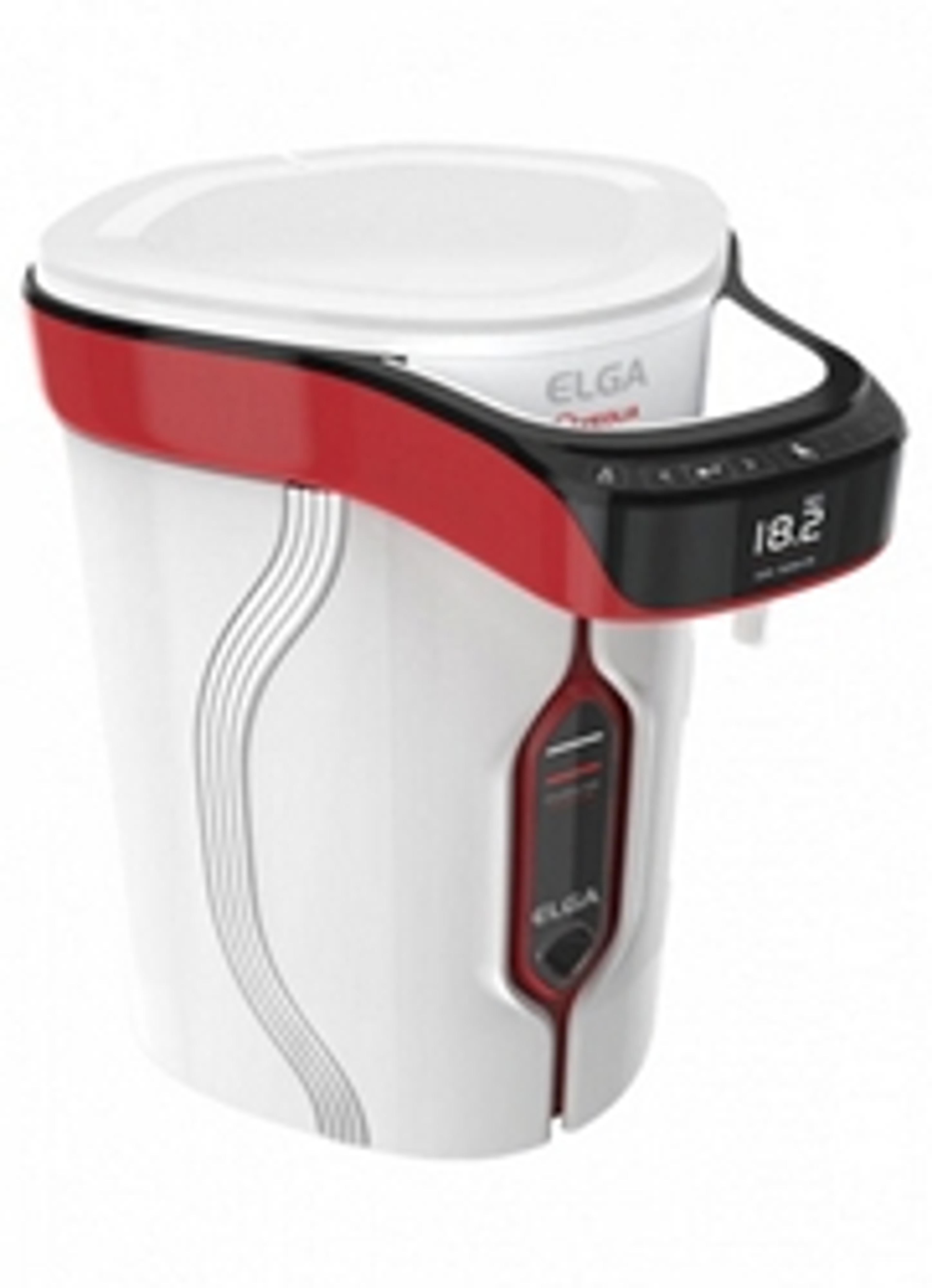
Three remote dispensing and monitoring solutions enable you to position your PURELAB Chorus where you want – freeing up valuable work space.   Halo Dispense – Fixed position dispenser for your basic dispensing needs Halo Advanced Dispense – Fixed position dispenser with advanced control features Halo Flexible Dispense – Hand held dispenser providing you with advanced control features and ultimate flexibility   Three Halo dispense and monitoring solutions enable you to position the dispenser independent from the water purification system. This means you can locate PURELAB Chorus on a bench, under bench or wall mounted to optimize valuable space in your laboratory. Up to four dispense solutions in any combination can be connected in series with different point of use options to suit your application and configured to your specific water purity requirements. Applications: Removal of endotoxins, DNase, RNase and bacteria Conforms to international water standards e.g. ISO 696: Grade 1, 2 & 3 ASTM D1193-06, Pharmacopeia USP, EP, JP & CLSI / CLRW

(4)

Links

Tags

UHPLC and HPLCHigh performance liquid chromatography (HPLC) and ultra high performance liquid chromatography (UHPLC), also known as UPLC, are analytical techniques used to separate, identify and quantitate components of complex mixtures including biological samples such as proteins and lipids as well as chemical mixtures of pesticides, drugs and oils. Both techniques are liquid chromatographic methods but differ by operating pressures (HPLC < 6000 psi < UHPLC ). Components of HPLC and UHPLC systems include columns, detectors, pumps, autosamplers and column heaters. Explore a range of UHPLC and HPLC columns for your specific sample needs including reverse phase, normal phase, ion exchange, HILIC, ion exclusion and size exclusion columns. For more specialized HPLC, explore FPLC, countercurrent LC and simulated moving bed systems. Find the best UHPLC and HPLC equipment in our peer reviewed product directory: compare products, check customer reviews and receive pricing direct from manufacturers.LC-MSLC-MS (liquid chromatography-mass spectrometry) systems and equipment are used for separation and quantitative analysis of complex mixtures, combining liquid chromatography and mass spectrometry. Quantify proteins, contaminants, pesticides or screen for drug metabolites with a high level of sensitivity. LC-MS systems and equipment include reverse phase, normal phase and specialized columns integrated with various MS detectors such as time-of-flight (TOF), quadrupole, orbitrap or ion trap mass analyzers. LC-MS/MS instruments equipped with a qTOF or triple quadrupole analyzer give greater sensitivity and resolving power to your analysis. Find the best LC-MS equipment in our peer-reviewed product directory: compare products, check customer reviews and receive pricing direct from manufacturers.Cell / Tissue CultureCell culture or tissue culture is used to study the biology of cells or tissues and to isolate cellular products in an environment which can be manipulated and well defined. Accurately control your culture environment with bioreactors or culture incubators, bind your cells to a surface or together with an extracellular matrix. Distinguish cell types with differential media or proliferate cells with certain characteristics using selective media. Enrich your media with supplements such as growth factors, sera and vitamins. Find the best cell and tissue culture products, kits and equipment in our peer-reviewed product directory: compare products, check customer reviews and receive pricing direct from manufacturers.Cell-Based AssaysCell-based assays are used to monitor the presence, quantity and activities of a desired cellular analyte including drug molecules or biomarkers. This can reveal information on cell health (apoptosis, cytotoxicity, viability and proliferation assays), cell metabolism, cell migration and cell signaling mechanisms. Find the best cell-based assay products, kits and equipment with our peer reviewed product directory: compare products, check customer reviews and receiving pricing direct from manufacturers.Laboratory ManagementLaboratory management involves overseeing the operations of a lab, ensuring compliance with safety regulations, optimizing workflows, and maintaining equipment. Efficient lab management is key to ensuring accurate results and minimizing downtime. Technologies like laboratory information management systems (LIMS) and automated lab equipment are helping labs streamline operations. Browse our peer-reviewed product directory to find the best laboratory management tools, compare products, read reviews, and get pricing directly from manufacturers.Molecular BiologyMolecular biology is the branch of biology that focuses on the molecular mechanisms that underlie cellular functions. It involves studying DNA, RNA, and proteins to understand gene expression, replication, and regulation. Molecular biology is fundamental to biotechnology, medicine, and genetic research. Explore molecular biology products in our peer-reviewed product directory; compare products, check reviews, and get pricing directly from manufacturers.Contamination PreventionContamination prevention aims to control and minimize the risk of contamination during experiments. Biological safety cabinets and sterilization equipment are examples of technologies used to prevent contamination.Water AnalysisAnalytical methods used to test the purity of drinking water include determining the level of contaminants abides to the level set by the Environmental Protection Agency (EPA).
Tips, Tricks & Solutions for Cell Culture, Molecular Biology & Liquid Chromatography