
ResourceLife Sciences
Three-day turnaround time for routine oncology testing using the MagnisDx NGS Prep System
21 Jan 2021In this application note, Agilent demonstrates how the MagnisDx NGS Prep system was able to improve the turnaround time of oncology testing by reducing library prep and enrichment processes from two days to nine hours, as well as reducing hands-on time from 2.5 hours to <15 minutes.
Related products
Request Quote for All Products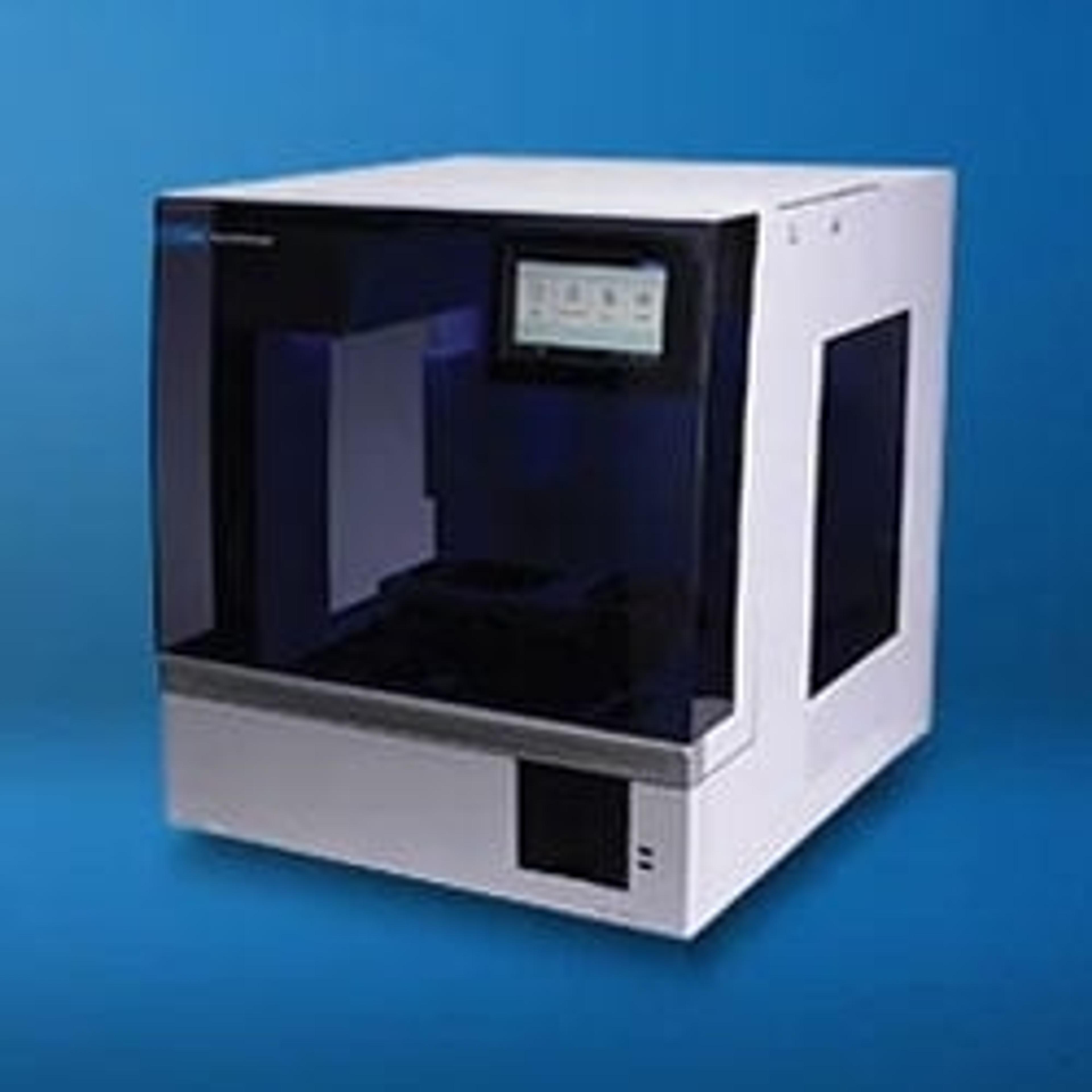
Magnis NGS Prep System
Agilent TechnologiesThe Magnis system provides a complete workflow for NGS library preparation that is fully automated and delivers reproducible results. Built on proven Agilent SureSelect XT HS2 chemistry, start from total RNA with integrated cDNA conversion or unfragmented DNA with onboard enzymatic fragmentation for increased workflow efficiency.
Links
Tags
Next Generation SequencingNext-generation sequencing (NGS), also known as whole-genome sequencing, high-throughput sequencing and massive parallel sequencing, produces and analyses thousands to millions of nucleotide sequences at once. Sequencing systems operate via varying technologies depending on the manufacturer, including sequencing by synthesis, ligation, pyrosequencing, ion semiconductor and single-molecule real-time sequencing. For NGS, library preparation is paramount to successful sequencing. In this section, explore a range of library preparation kits, from targeted, amplicon-based or hybridization-based kits including epigenomic, transcriptomic and genomic workflows to fragmentation kits. Find the best next-generation sequencing products in our peer-reviewed product directory: compare products, check customer reviews and receive pricing direct from manufacturers.Sample PreparationSample preparation can improve the quality and speed of separation techniques. Products to assist sample preparation include filtration equipment, evaporators, membranes and sieves.Sample HandlingProper and careful handling of samples is important in scientific studies to ensure the integrity of specimens. This will prevent deterioration and cross contamination, and improve the accuracy of sample tracking procedures.NGSClinical NGSNext Generation Sequencing (NGS) refers to the use of massive parallel sequencing of multiple small fragments of DNA. This high-throughput genomic analysis yields enormous amounts of sequence data, which if appropriately analyzed could have huge potential for clinical laboratories. For this to happen there are technique and bioinformatic hurdles to be overcome.NGS AutomationNGS automation streamlines next-generation sequencing workflows, increasing throughput, accuracy, and reproducibility. Automated solutions enhance productivity in genomic research, clinical diagnostics, and personalized medicine. Browse peer-reviewed tools to compare products, read reviews, and get pricing.Sample ProcessingSample processing is required to prepare samples prior to analysis. Technologies used for sample processing include homogenizers, grinders, mills and mixers.Cancer ResearchAlthough cancer is often referred to as a single condition, it actually consists of more than 100 different diseases. Microscopy, mass spectrometry, high throughput sequencing and flow cytometry are some of the most common techniques employed in cancer research labs.