
The use of Thermal Desorption with Optimized Sampling Tubes for Quantifying Polycyclic Aromatic Hydrocarbons (PAHs) in Air
1 Mar 2017This application note describes the use of thermal desorption (TD) with gas chromatography (GC) for the quantitation of polycyclic aromatic hydrocarbons (PAHs). Here it is shown how a range of PAHs from naphthalene to benzo[ghi]perylene can be readily captured on to specially-optimized sorbent tubes, and released from them quantitatively. Using this technique, low detection limits are obtained for airborne PAHs with minimal breakthrough and excellent linearity, even when the total sampling volume exceeds 400 L.
Related products
Request Quote for All Products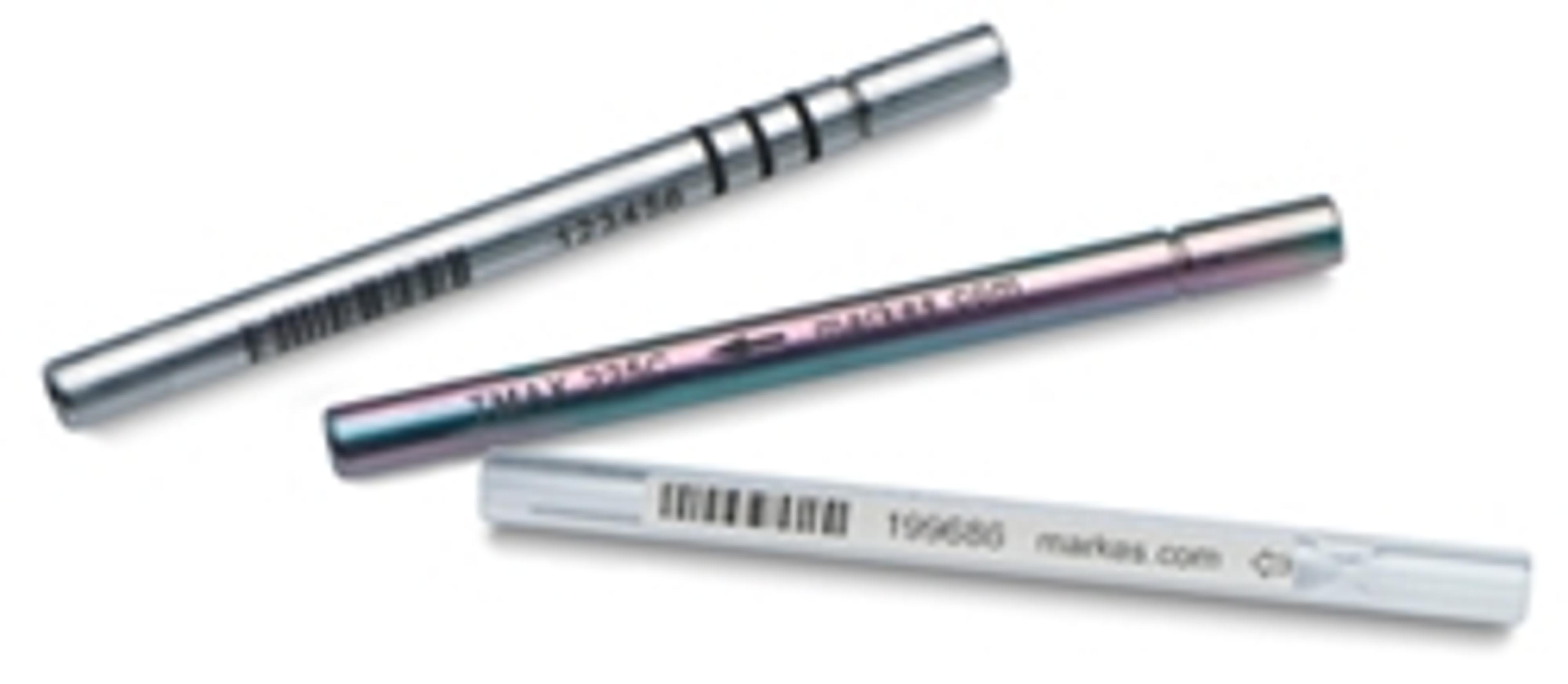
Sorbent sampling tubes
Markes International LtdThermal desorption sorbent sampling tubes for air sampling. Backed up by fast and friendly service, Markes’ tubes provide optimum sampling and analytical performance. Our range includes everything from cost-effective packages of industry-standard tubes to the last word in sorbent tube innovation. Features: Our industry-standard (3½-inch (89 mm) long x ¼-inch (6.4 mm) o.d.) sorbent tubes are available in stainless steel, inert-coated stainless steel and glass. Compatible with thermal desorption instruments manufactured by Markes International, PerkinElmer and Shimadzu. All tubes are permanently labelled with a unique serial number, barcode and sampling flow arrow, so that they are easy to use and track. Further labelling options for tube tracking – includes laser-etching, banding and RFID-tagging (TubeTAG™). Diffusion-locking SafeLok™ options for additional peace of mind. Stringent quality control – our tubes are packed to a tolerance of ±2.5% or better. Application-specific sorbent tubes – optimally packed for applications ranging from air toxics to material emssions testing. Our sorbent tubes can also be ordered conditioned and capped, so that they’re ready for use on arrival. All our sorbent tubes can be supplied: empty for you to pack yourself (or for direct desorption); pre-packed with one sorbent bed for diffusive (passive) monitoring applications; or pre-packed with up to three sorbent beds for pumped (active) monitoring applications. We also supply 4½-inch DAAMS tubes (regular and high-flow, in any of the above materials) – contact us for details.