ResourceSeparations

The role of ultrapure water in HPLC analysis

16 Feb 2021

In this application note, Sartorius describes the process of HPLC analysis and how ultrapure water produced by Arium® Pro VF can be readily used as the mobile phase for HPLC analysis of water-soluble saccharides. This application note highlights how the Arium® Pro VF ultrapure water can be prepared on demand and promises to offer an affordable alternative to commercially sold ultrapure water to prepare high-purity eluants for HPLC analysis.

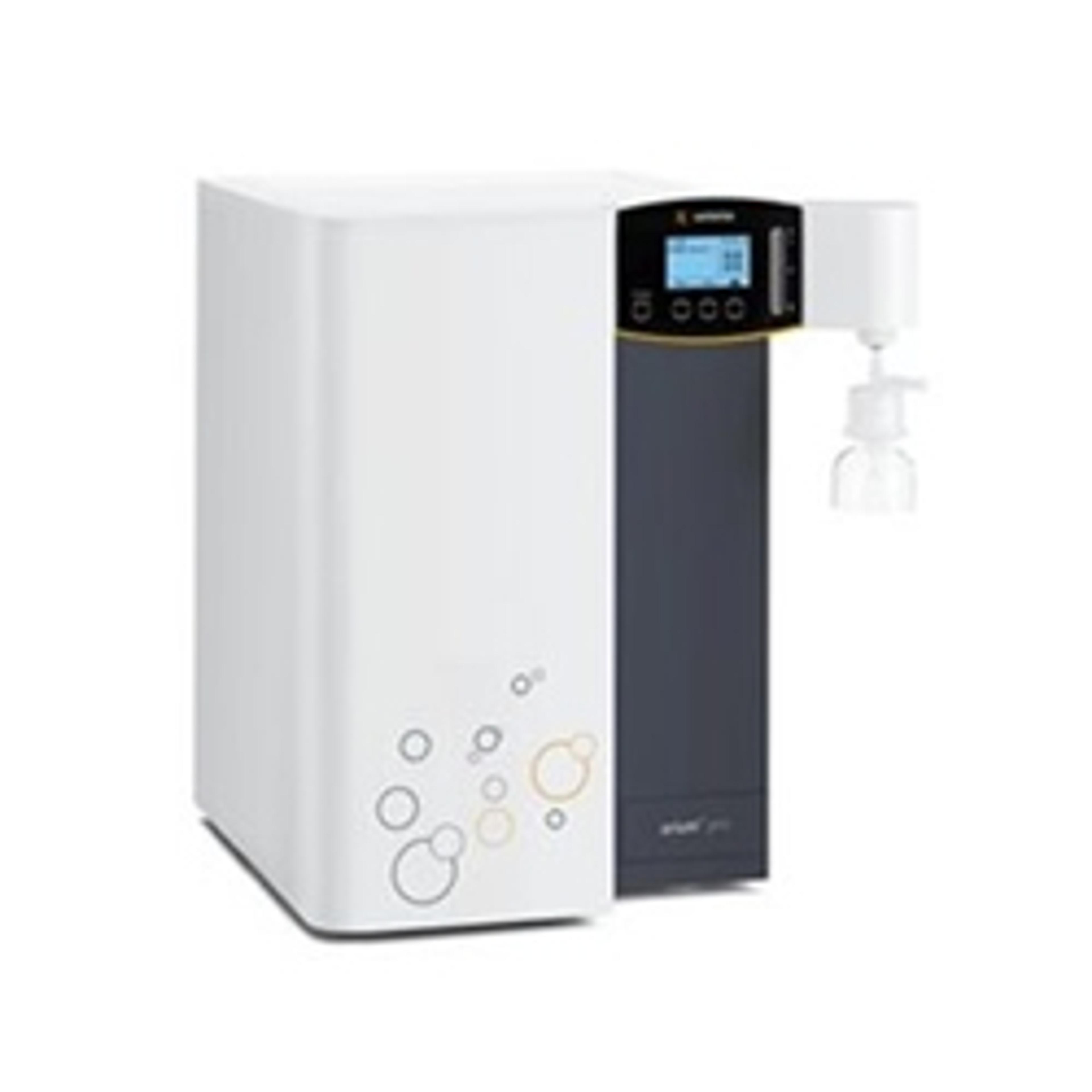
arium® pro VF Ultrapure Water System

Sartorius Group

The arium ®  pro ultrapure water systems meet, and exceed, ASTM Type 1 water quality at an unmatched cost of ownership for any application. Available in a choice of five modular-design systems, this range offers the widest selection of features and options for customised configuration. The glass display with touch-activated functions, along with intuitive menu navigation, ensures error-free operation, even while you are wearing gloves.

(3)

Links

Tags

UHPLC and HPLCHigh performance liquid chromatography (HPLC) and ultra high performance liquid chromatography (UHPLC), also known as UPLC, are analytical techniques used to separate, identify and quantitate components of complex mixtures including biological samples such as proteins and lipids as well as chemical mixtures of pesticides, drugs and oils. Both techniques are liquid chromatographic methods but differ by operating pressures (HPLC < 6000 psi < UHPLC ). Components of HPLC and UHPLC systems include columns, detectors, pumps, autosamplers and column heaters. Explore a range of UHPLC and HPLC columns for your specific sample needs including reverse phase, normal phase, ion exchange, HILIC, ion exclusion and size exclusion columns. For more specialized HPLC, explore FPLC, countercurrent LC and simulated moving bed systems. Find the best UHPLC and HPLC equipment in our peer reviewed product directory: compare products, check customer reviews and receive pricing direct from manufacturers.Water PurificationThere are a number of water purification methods available to remove contamination from laboratory water. These systems include demineralization, reverse osmosis, filtration and ultrafiltration. A combination of methods is sometimes necessary to achieve purified water suitable for use in experiments.Ultrapure WaterUltrapure water is the highest purity water and contains the lowest levels of organic and inorganic contaminants, particulates and microorganisms.HPLCHigh-performance liquid chromatography (HPLC) is a technique for separating, identifying, and quantifying components in mixtures. It is widely used in chemical, pharmaceutical, and environmental analysis to ensure purity and identify unknown compounds. Explore the best HPLC systems in our peer-reviewed product directory; compare products, read reviews, and get pricing directly from manufacturers.