
ResourceLife Sciences
The Phynex PhyTip Column Method for Obtaining High Concentrations of Active Proteins
13 Feb 2013A common problem in the purification of proteins expressed at low concentration is a resulting pure protein that is too dilute for subsequent assays. This application note demonstrates how the PhyNexus two-step purification method, which utilizes PhyTip columns, is suitable for obtaining a desirable yield and purity. The efficiency of elution from a PhyTip column, combined with retention of protein activity, provide a good solution for an automatable concentration process.
Related products
Request Quote for All Products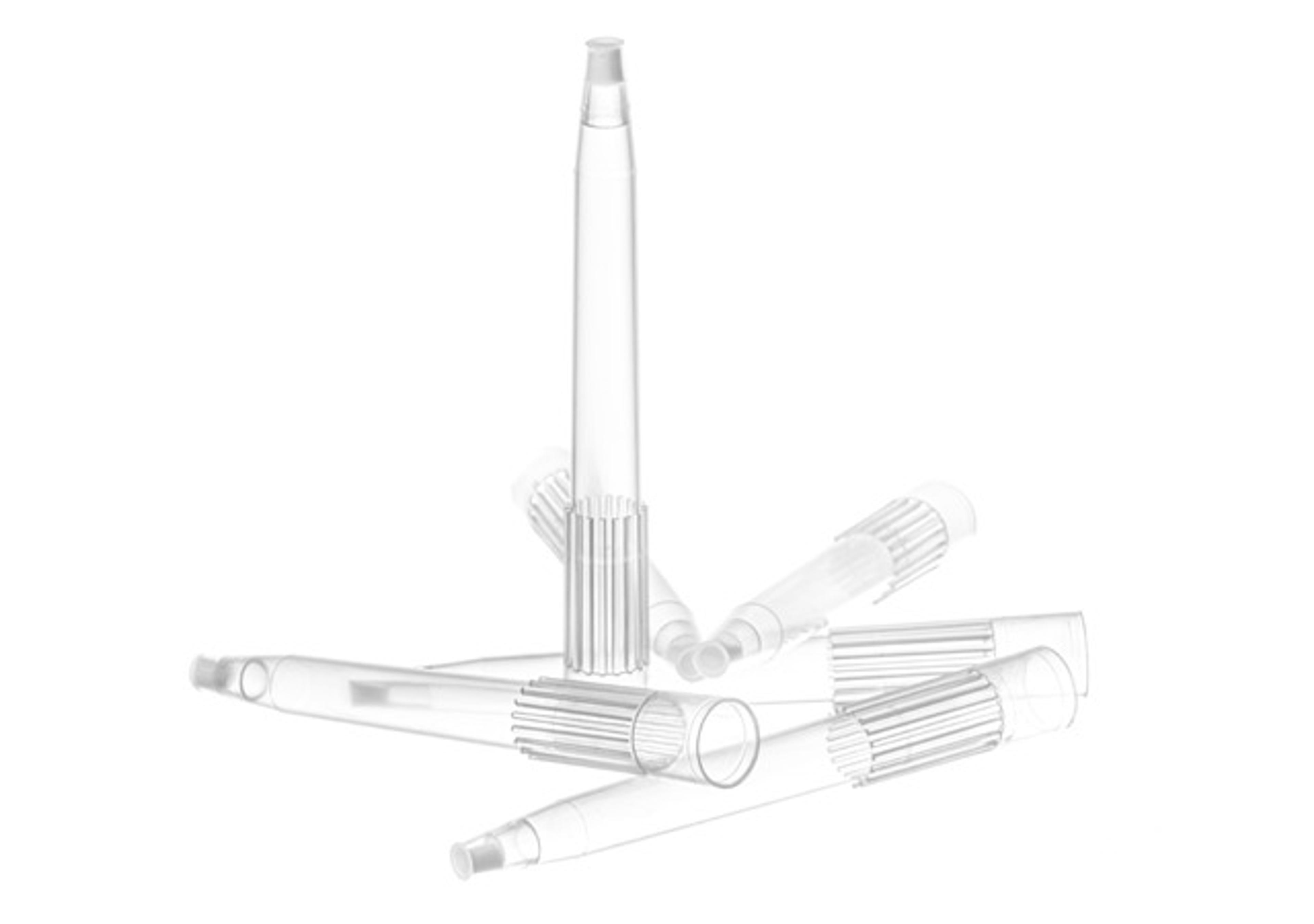
PhyTip® Columns and MiniPrep PhyTip® Columns
BiotagePhyTip® columns use dual-flow chromatography within pipette tips to automate purification workflows. This technology delivers high reproducibility and exceptional sample purity for efficient, reliable results.
Tags
ProteomicsProteomics is the systemic bioinformatics study of proteins and amino acids, including their structure, size, function and identification. Tools used in proteomics include chromatography, blotting and gels, protein arrays, mass spectrometry and ELISA and associated analysis software. Analyzers and proteomic systems should be sensitive, high resolution, fast and may be automated for high-throughput.Protein PurificationProtein purification is a vital step in drug discovery, therapeutics, biotech and life science research. The purification process typically involves subcellular or membrane protein extraction with cell lysis kits, separation of proteins from cell debris by filtration or spin columns, and the isolation of proteins of interest from other proteins and impurities with affinity purification (including fusion protein tags and antibody binding proteins A, G and L), immunoprecipitation or chromatographic methods, such as ion exchange, size exclusion and immobilized metal affinity chromatography. All purification methods come in multiple formats for your laboratory needs, including agarose or magnetic beads, resins, columns and filter plates. Find the best protein purification equipment in our peer-reviewed product directory: compare products, check customer reviews and receive pricing direct from manufacturers.Protein BiologyThe analysis of protein expression, identity and function is vital for many areas of life science research and drug discovery. Some of the most commonly used techniques in protein analysis include Western blotting, electrophoresis and mass spectrometry.