
The MED64 Multi‐Electrode Array System
19 Nov 2014The MED64 has become a popular platform for modeling human hereditary cardiomyopathies and drug screening, since hSC-CMs possess the same genetic background as primary human CMs and their pharmacology is presumably very similar. The goal of this application note is to describe how to set up experiments with human stem cell-derived cardiomyocytes (hSC-CMs), acquire relevant data, and extract the data for presentation or publication.
Related products
Request Quote for All Products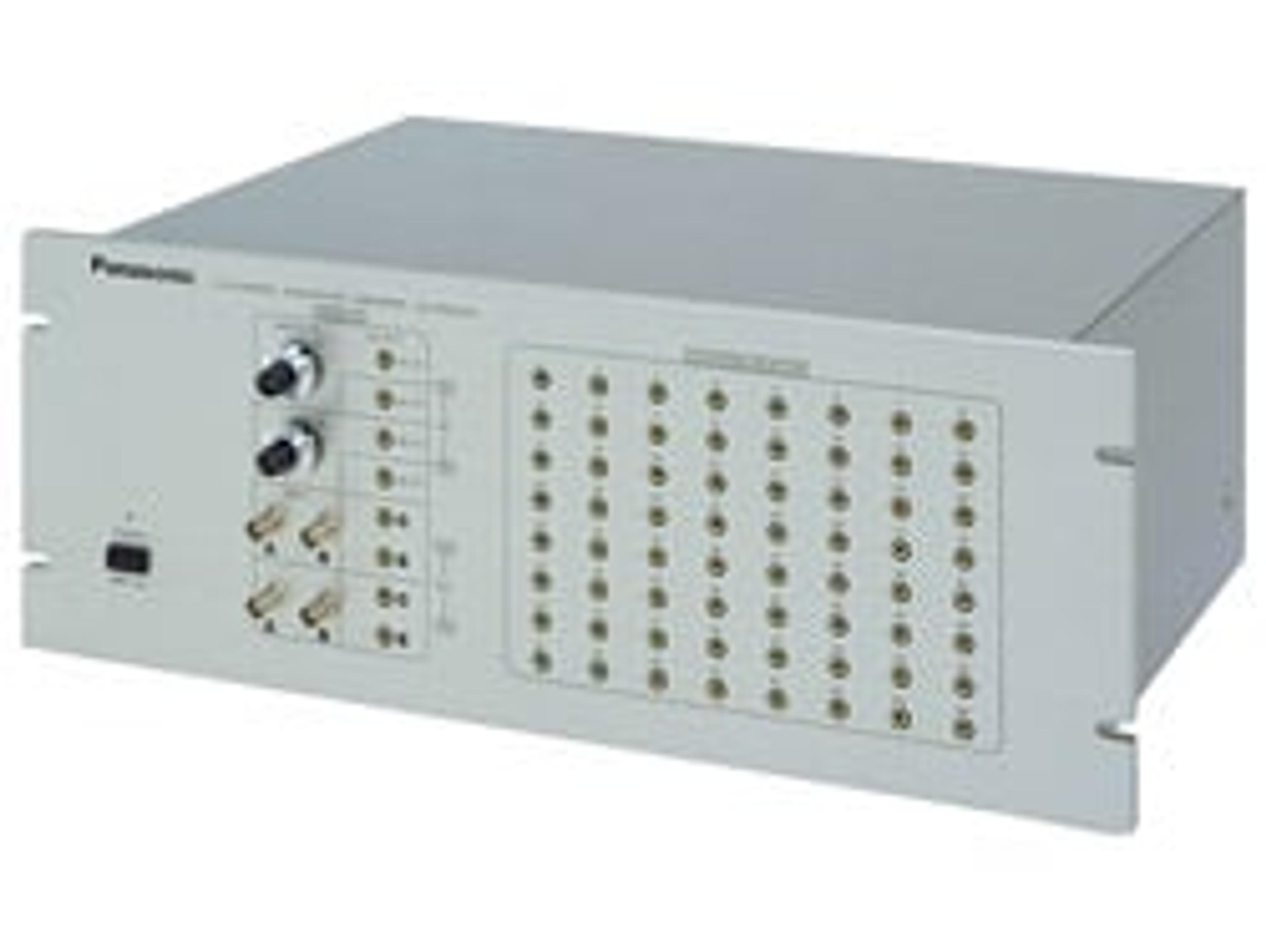
MED64 Multi-electrode Array System
AutoMate Scientific Inc.Bandwidth of 0.1Hz -10 kHz allows users to record several types of extracellular potentials. • Low-cut filter (High pass filter) with 0.1, 1, 10, and 100Hz cutoff. • High cut filter (Low pass filter) with 1, 2.5, 5, 7.5, and 10kHz cutoff. • Built-in 2-channel stimulator allows users to program and deliver complex stimulation sequences independently through any 2 electrodes. • USB connection to computer.SpecificationsHead Amplifier Number of channels 64Gain x 10Bandwidth 0.1Hz-100 kHz (+0dB to -3dB)Input impedance 100MΩOutput impedance 10kΩ Stimulator Number of channels 2Output format: Constant currentMaximum input voltage +/-4VMaximum output current +/-200µA ---Main Amplifier Number of channels 64Gain 1-217Bandwidth 0.1Hz-10 kHz (+0dB to -3dB)Analog high cut filter 1, 2.5, 5, 7.5, 10kHz (-6dB/oct)Analog low cut filter 0.1, 1, 10, 100Hz (-12dB/oct)Input impedance 100 MΩ Digitizer Resolution 16 bitSampling rate 20kHzOutput: USB
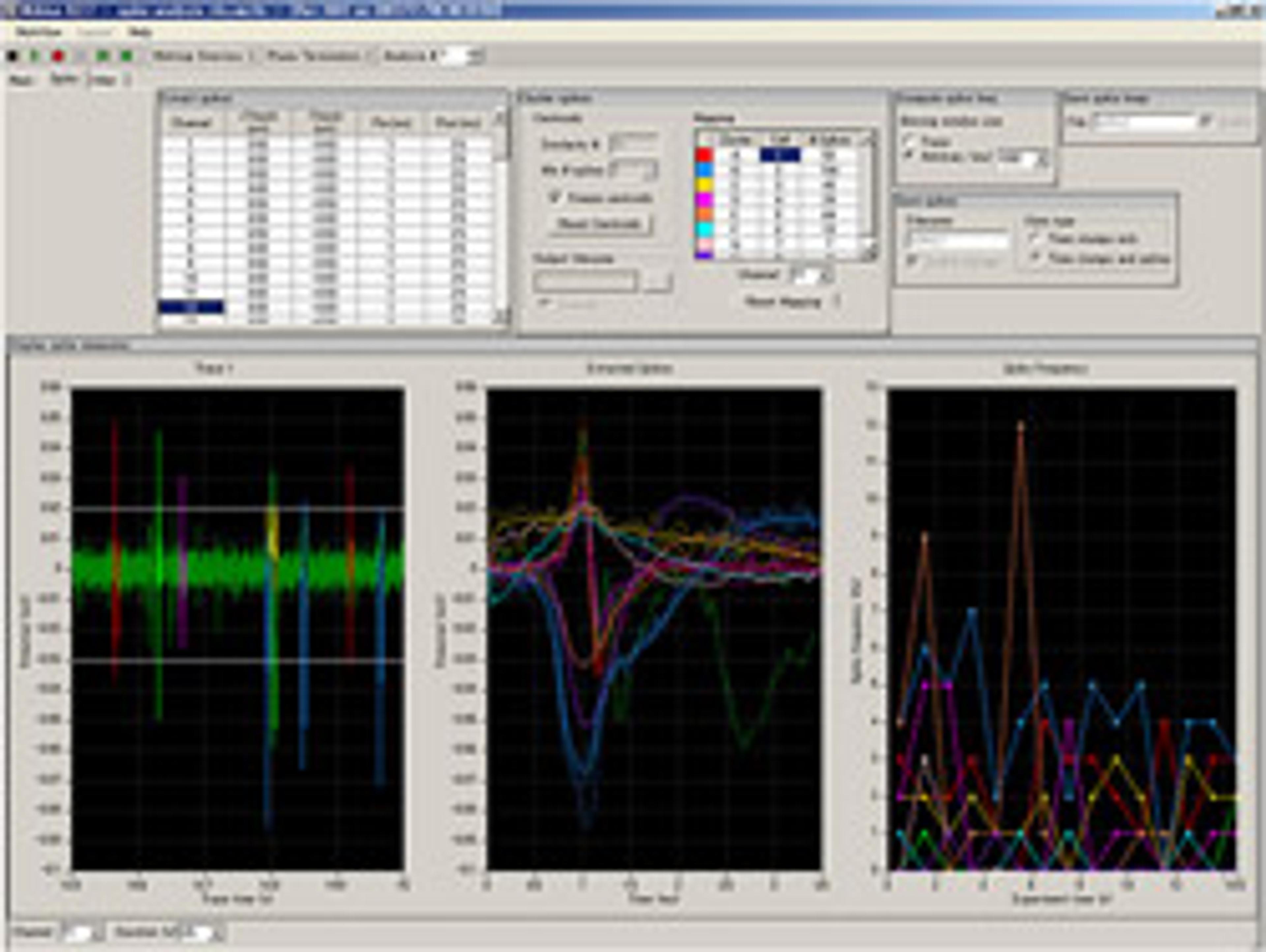
MED64 "Mobius" MEA software - Pro, complete package
AutoMate Scientific Inc.MED64 Mobius software is a data acquisition and analysis package for the MED64 multi-electrode array system with an abundant set of analysis functions available both online and offline. It is designed to be easy for beginners and powerful for advanced users. Mobius comes in various packages including “Evoked Potential Measurements” and “Spike Sorter” as well as a combined package.Mobius is flexible software consisting of various task-specific control panels which users can quickly combine using a simple workflow editor to create their own custom experimental protocols and interfaces. However, users who want to run standard types of experiments can do so immediately by using one of the many pre-defined “workflow templates” included with Mobius.EP (Evoked Potential) Measurement PackageSpike Sorter PackageFiltering Module