ResourceSeparations

The History of Waters Detectors Infographic

14 Sept 2016

This infographic presents the timeline of Waters liquid chromatography (LC) technology. Waters defined the GPC/HPLC market in 1963 with the release of the GPC 100. Since then Waters have advanced their detectors technology, pushing LC separations to the next level and continuing in the future to create innovative detectors that meet the ever changing needs of scientists.

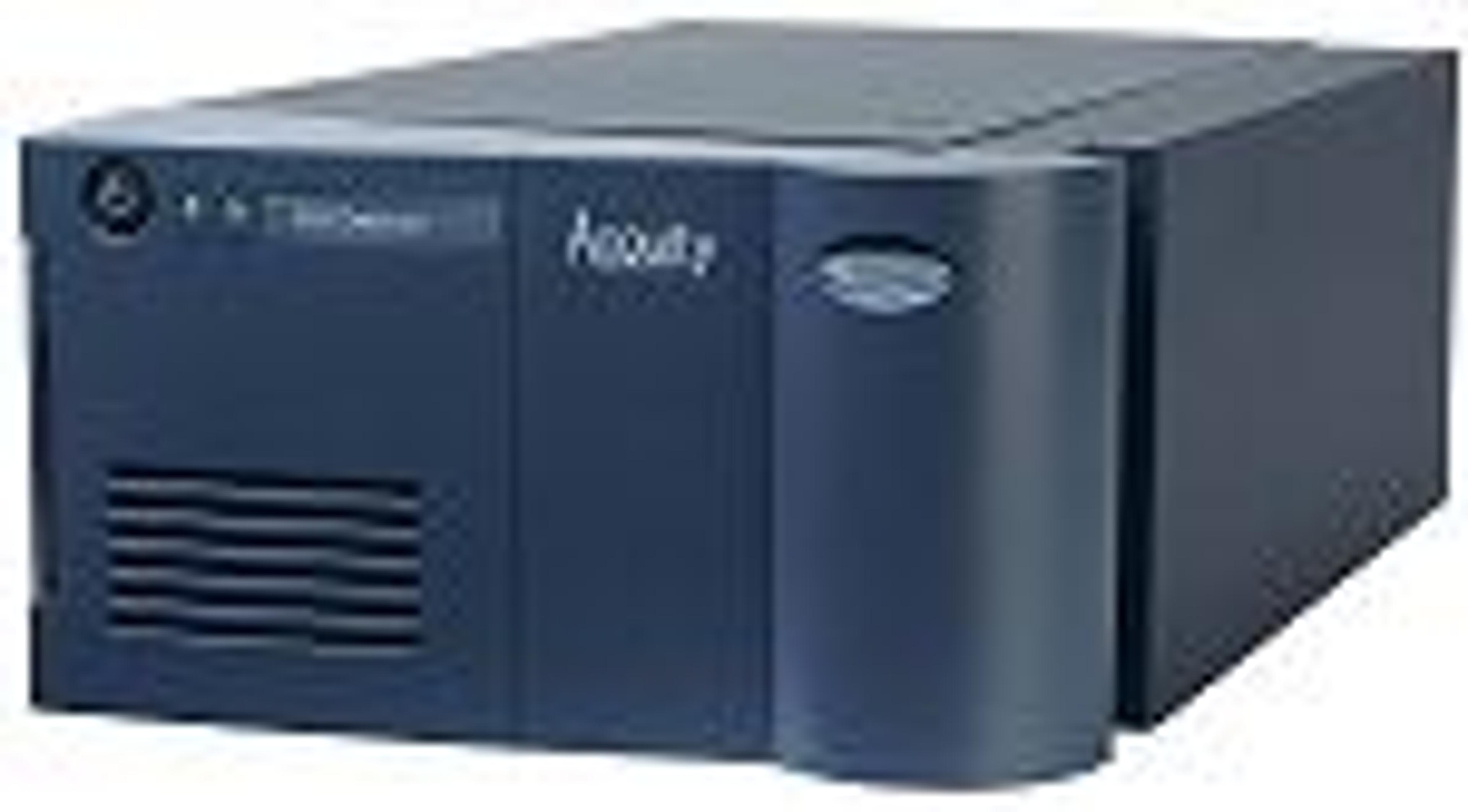
ACQUITY QDa Mass Detector

Waters

The ACQUITY QDa® Mass Detector gives you certainty above all else. You can minimize the risk of unexpected coelutions or components and confirms trace components with the analytical confidence of mass detection. The ACQUITY QDa® Detector is a mass detector built around the needs of analytical scientists for chromatographic analysis. Robust, reliable and requiring no sample adjustments, it just integrates with your current LC, ACQUITY UPLC, ACQUITY UPC2 and purification systems. You'll enhance the analytical value and productivity of each analysis, and you won't need to run all the additional assays or time-consuming alternative techniques or even wait for results from specialist labs that cost your laboratory productivity. With the ACQUITY QDa® Detector, you now have information-rich mass spectral data to complement data from your current Waters® optical detectors, including the ACQUITY UPLC PDA, TUV, ELS, and FLR detectors, as well as the ACQUITY UPC² PDA Detector. This mass spectral information integrates seamlessly into the same workflow; routinely giving you more complete separation characterization. Features: Intuitive operation More information from every sample Effortless integration Increased efficiency Resolving complexity Applications: Food & Environment Life Sciences and Pharmaceuticals Chemical
(20)

ACQUITY UPLC FLR Detector

Waters

The ACQUITY UPLC® Fluorescence (FLR) Detector brings unrivaled sensitivity and selectivity to UPLC®. The detector’s innovative flow-cell design, low-noise electronics and support for high-speed data rates are perfectly suited to the efficient separations of the ACQUITY UPLC's advanced fluidics technology. Target applications include PAHs, environmental contaminants, vitamins, aflatoxins and pharmaceuticals. Ultra Performance in Fluorescence Detection: Low volume flow cell design ( – The axially illuminated design of this flow cell enables greater light absorption, thereby enhancing sensitivity, despite it’s reduced cell volume. High-intensity light source, low-noise electronics and low dispersion optics – maximizes light throughput ensuring optimal signal-to-noise performance as compared to conventional fluorescence detectors for LC Support for data rates up to 80HZ – fit the requirements of any ultra fast, ultra performance application allowing for the full characterization of the narrow, sharp peaks typical of UPLC type separations 3D scanning capability – allows for the fast determination of wavelength maxima enabling efficient methods development

(0)

Links

Tags

UHPLC and HPLCHigh performance liquid chromatography (HPLC) and ultra high performance liquid chromatography (UHPLC), also known as UPLC, are analytical techniques used to separate, identify and quantitate components of complex mixtures including biological samples such as proteins and lipids as well as chemical mixtures of pesticides, drugs and oils. Both techniques are liquid chromatographic methods but differ by operating pressures (HPLC < 6000 psi < UHPLC ). Components of HPLC and UHPLC systems include columns, detectors, pumps, autosamplers and column heaters. Explore a range of UHPLC and HPLC columns for your specific sample needs including reverse phase, normal phase, ion exchange, HILIC, ion exclusion and size exclusion columns. For more specialized HPLC, explore FPLC, countercurrent LC and simulated moving bed systems. Find the best UHPLC and HPLC equipment in our peer reviewed product directory: compare products, check customer reviews and receive pricing direct from manufacturers.LC-MSLC-MS (liquid chromatography-mass spectrometry) systems and equipment are used for separation and quantitative analysis of complex mixtures, combining liquid chromatography and mass spectrometry. Quantify proteins, contaminants, pesticides or screen for drug metabolites with a high level of sensitivity. LC-MS systems and equipment include reverse phase, normal phase and specialized columns integrated with various MS detectors such as time-of-flight (TOF), quadrupole, orbitrap or ion trap mass analyzers. LC-MS/MS instruments equipped with a qTOF or triple quadrupole analyzer give greater sensitivity and resolving power to your analysis. Find the best LC-MS equipment in our peer-reviewed product directory: compare products, check customer reviews and receive pricing direct from manufacturers.HPLC Method DevelopmentIt is important to develop and validate HPLC methods in order to identify, quantify or purify compounds of interest in the most efficient way. Effective method development ensures optimization, quality control and cost effectiveness.ChromatographyChromatography is a powerful technique used to separate and analyze components of mixtures based on their chemical properties. It is widely used in fields like biochemistry, pharmaceuticals, and environmental analysis. By exploiting differences in the interaction of substances with a stationary phase and a mobile phase, chromatography enables precise purification and quantification of compounds. Whether you're working with complex biological samples or industrial chemicals, chromatography is essential for obtaining high-quality results. Browse our peer-reviewed product directory to find the best chromatography systems, compare products, read customer reviews, and get pricing directly from manufacturers.HPLCHigh-performance liquid chromatography (HPLC) is a technique for separating, identifying, and quantifying components in mixtures. It is widely used in chemical, pharmaceutical, and environmental analysis to ensure purity and identify unknown compounds. Explore the best HPLC systems in our peer-reviewed product directory; compare products, read reviews, and get pricing directly from manufacturers.LC-MSLiquid Chromatography-Mass Spectrometry (LCMS) is a powerful analytical technique that combines the separation power of liquid chromatography with the detection capabilities of mass spectrometry. It is widely used for qualitative and quantitative analysis of complex mixtures in pharmaceuticals, proteomics, and environmental studies. Browse our peer-reviewed product directory to find the best LCMS systems, compare products, check reviews, and get pricing directly from manufacturers.
The History of Waters Detectors Infographic