
The Application of Isotopic and Elemental Analysis to Determine the Geographical Origin of Premium Long Grain Rice
11 Jun 2014Rice samples cultivated in the USA, Europe and Basmati regions have been analyzed using Isotope Ratio Mass Spectrometry (IRMS) and Inductively Coupled Plasma Mass Spectrometry (ICP-MS). Nine key variables (δ13C, δ18O, boron, holmium, gadolinium, magnesium, rubidium, selenium and tungsten) were identified by canonical discriminant analysis as providing the maximum discrimination between rice samples from these regions. High levels of boron (>2500 ppb) were associated with rice samples from America and notably high levels of holmium were found in rice samples from the state of Arkansas. European rice samples generally contained relatively high levels of magnesium and Indian/Pakistani samples were characterized by relatively low oxygen-18 (18 O) abundance.
Related products
Request Quote for All Products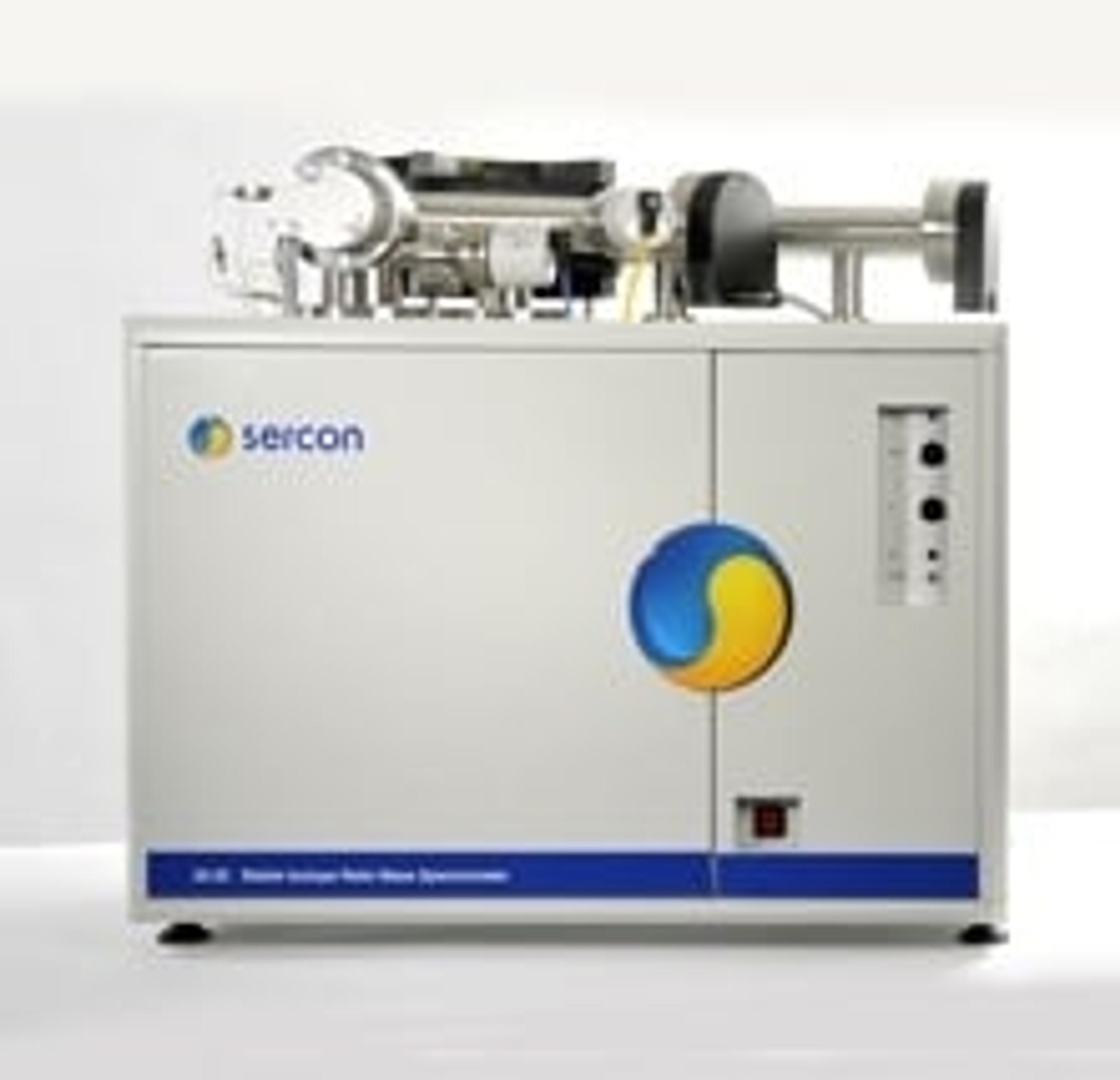
20-22 Isotope Ratio Mass Spectrometer
SerconCombining superior analytical performance with class leading reliability, the 20-22 ensures that all your scientific needs are met. Backed by over 20 years of development with a no compromise approach to its engineering integrity, Sercon provides the ultimate isotope ratio mass spectrometer. This technology is available in both continuous flow 20-22 and dual inlet GEO 20-22 forms to be interfaced with our range of automated preparation units and peripherals.The 20-22 incorporates many high level design features. These include an all stainless steel and metal gasket construction flight tube for ultra-high vacuum purity to ensure minimal backgrounds and zero water contamination. True differential pumping for superior ion transfer through the flight tube from high sensitivity source to large dynamic range collectors. The benchtop design with Windows 7 based software ensures a user friendly interface for the most productive IRMS system available.Features: 120° extended geometry with an 11 cm radius magnetic sector giving an effective 21 cm radius dispersion and double direction focusing. Truly universal Faraday triple collectors for simultaneous collection of adjacent masses in the range 28,29,30 - 64,65,66 with no adjustment of collectors or amplifiers. The desired combination of the 4 collectors is selected through the software. Optional extended geometry system to incorporate up to 12 collectors for custom applications. Shorter path length than traditional extended geometry to decrease ion/molecule interactions and so ensure 100% transmission through the analyser and a sensitivity which is higher than any other commercial IRMS (<1000 molecules/ion for CO2). Small analyser footprint and wide flat peak shape reduce the effect of temperature drift therefore removing the need for peak centring during analysis. With a mass range covering 2 to 96 AMU it is suitable for the analysis of light stable isotopes in all the commonly measured gases.