ResourceSpectroscopy

Sulfur in Jet Fuel by ASTM D4294

20 Feb 2019

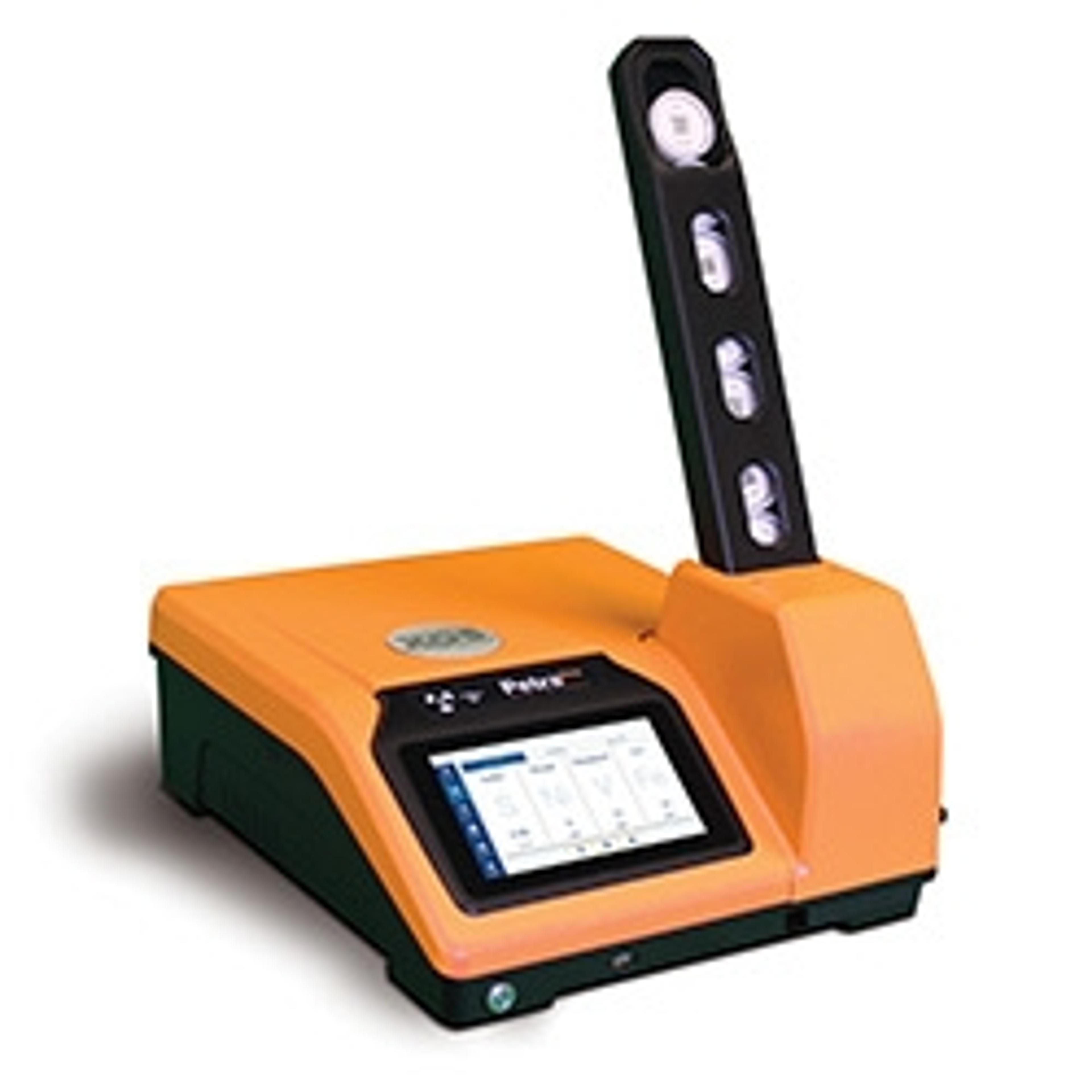
The International Air Transport Association (IATA) reports that in 2017 alone, more than 4 billion passengers traveled by air. It is estimated that air transport will reach global growth of over 7 billion passengers by 2035. Standard jet fuel specifications are used to ensure that wherever a plane is fueled, it can continue to operate safely. Jet fuel specifications require total sulfur content to be less than 0.30 wt%. In order to comply, refinery and independent laboratories rely on standard test methods such as ASTM D4294 and ISO 8754. These labs operate in fast-paced environments that require rapid, precise results and are increasingly relying on solutions that provide simple and direct integration with Laboratory Information Management Systems (LIMS).
Links

Tags

Fluorescence SpectroscopyFluorometers and spectrofluorometers (also called fluorescence spectrometers) are used to measure the intensity and wavelength of fluorescent light emitted from a sample after excitation by illumination. Spectrofluorometers utilize monochromators to select the desired wavelengths, whereas filter fluorometers employ a set of filters. Spectrofluorometers for measuring steady-state fluorescence and lifetime fluorescence (or time-resolved fluorescence) are available, as well as fluorescence microscopes and microplate readers. Find the best fluorescence spectroscopy products in our peer-reviewed product directory: compare products, check customer reviews and receive pricing direct from manufacturers.X-Ray Diffraction and SpectroscopyX-Ray diffraction & spectroscopy are used in material characterization to discern the structure and elemental composition of a sample. X-Ray diffractometers (XRD) are superior instruments in elucidating the dimensional atomic structure of crystalline materials, including powders, thin films and single crystals. For large unit cells or ordered macromolecules, consider small-angle X-ray scattering (SAXS). X-ray spectroscopic techniques include X-ray fluorescence (XRF) and X-ray photoelectron spectroscopy (XPS), both providing simple and accurate methods for determining the elemental composition of a material. Energy dispersive (EDXRF) and wavelength dispersive (WDXRF) XRF spectrometers are available, as well as handheld/portable devices. High-resolution, 3D microstructure characterization of materials can be achieved with X-ray microscopes combining sub-micron resolution imaging with 3D computed tomography. Find the best XRD and XRF spectrometers in our peer-reviewed product directory: compare products, check customer reviews and receive pricing direct from manufacturers.SulfurX-Ray FluorescenceX-ray fluorescence (XRF) is an analytical technique used to determine the elemental composition of materials. It is widely used in geology, materials science, and environmental testing for detecting heavy metals and other elements. Browse our peer-reviewed product directory to find the best XRF systems, compare products, check reviews, and get pricing directly from manufacturers.PetrochemicalsPetrochemicals are chemical products derived from petroleum or natural gas, essential in creating plastics, fuels, and synthetic materials. Analytical techniques help ensure product quality and environmental compliance. Browse equipment for petrochemical analysis in our product directory.
Sulfur in Jet Fuel by ASTM D4294