Strictly anaerobic cultivation of probiotic bacteria

9 Oct 2022

Probiotics can positively influence the health of the human gut microbiome. That’s why scientific research on anaerobic or microaerophilic cultivation techniques, such as the cultivation of probiotics, is essential to human health.

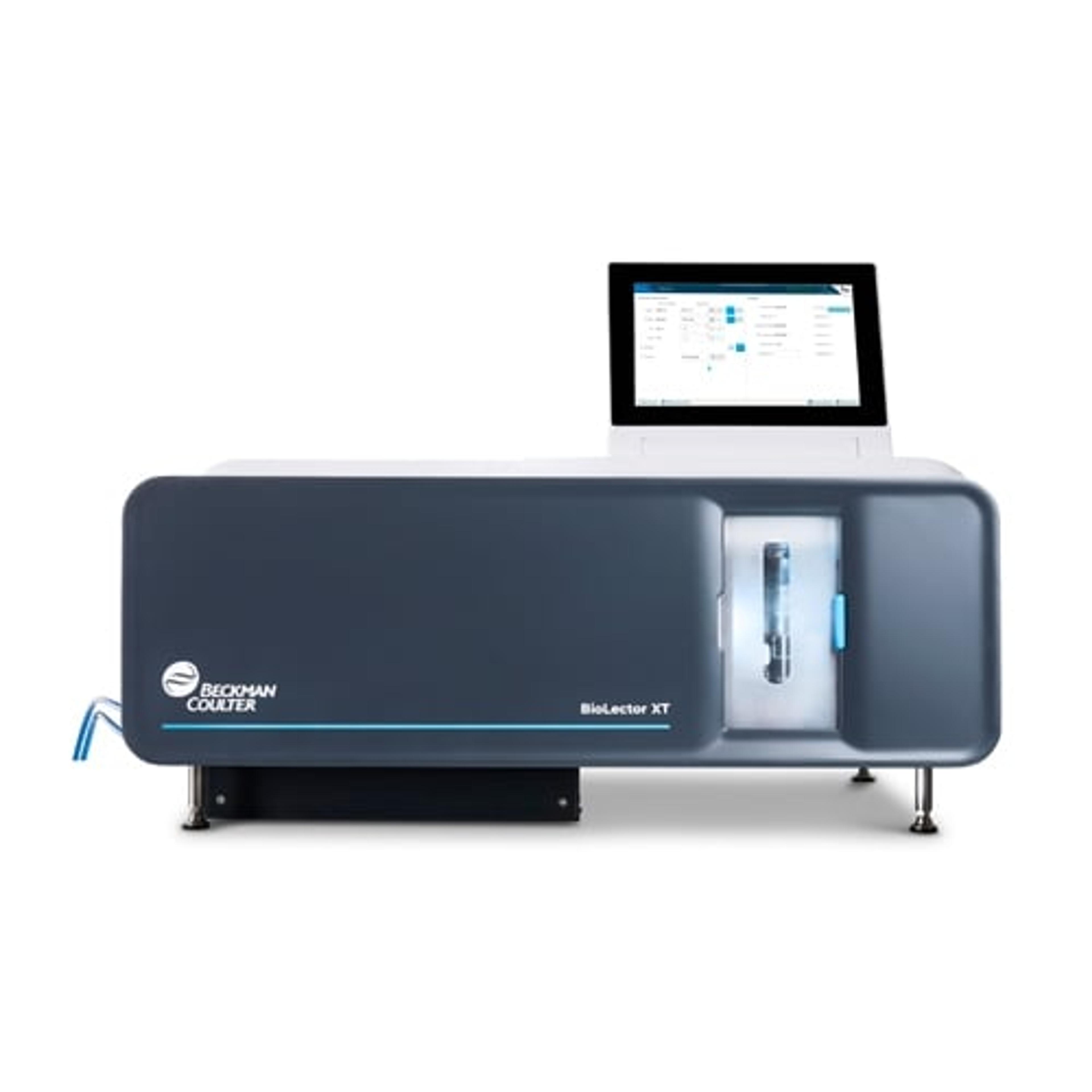
The BioLector XT microbioreactor accelerates cultivation and strain evaluation of diverse organisms, including anaerobes, while consistently producing high-quality data. Compact in size, it supports robust, real-time evaluation of key cultivation parameters—including biomass, pH value, dissolved oxygen (DO) and fluorescence—in a standard 48-well microplate format.

In this application note, you’ll discover how researchers use the BioLector XT microbioreactor to perform anaerobic batch and fed-batch cultivations of the probiotic bacteria Lactobacillus casei, Lactobacillus plantarum, and Bifidobacterium bifidum. The compact device can be placed on a regular lab bench without the need to locate in an anaerobic chamber.

Links

Tags

MicrobiologyMicrobiology is the study of microorganisms including protists, prokaryotes, fungi, and, often, viruses. Microorganisms are a useful research tool as genetic vectors and, in immunology, for antibiotic susceptibility testing, cellular biology and genetics. Microorganisms commonly grow readily in incubators with microbial culture media; this can contain chromogenic supplements to differentiate between cell lines. Estimate your culture’s density of microorganisms with colony counters, or screen and select colonies for desirable clones with automated colony pickers. Additionally, equipment is available to monitor environments for the presence of microbes and identify with microbial identification instruments. Find the best microbiology products in our peer-reviewed product directory: compare products, check customer reviews and receive pricing direct from manufacturers.Bioprocessing / FermentationBioprocessing is the use of biological materials to perform commercial, scientific or medical research processes. Biological materials used include cells, enzymes and organisms. Usually bioprocessing requires a batch or continuous bioreactor such as a fermentor or cell culture system. The advantages of using a reactor include high productivity, easy configuration, adjustable values and automation.BacteriaBacteria are microorganisms that play critical roles in the environment, human health, and biotechnology. Understanding bacterial genetics, growth, and metabolism is essential for developing antibiotics, vaccines, and improving industrial processes. Browse our peer-reviewed product directory to find the best bacterial research tools, compare products, check reviews, and get pricing directly from manufacturers.MicrobiomeMicrobiome research focuses on the complex communities of microorganisms living in and on humans, animals, plants, and environments. It plays a crucial role in health, disease, and ecological balance. Explore tools and resources for microbiome analysis, including sequencing platforms and bioinformatics software.