
ResourceLife Sciences
Spheroids vs. organoids: What’s the difference?
22 Dec 2020In this infographic, explore the advantages and disadvantages of using spheroids and organoids for the creation of complex, in-vivo-like three-dimensional models, and discover which will work best for your research.
Related products
Request Quote for All Products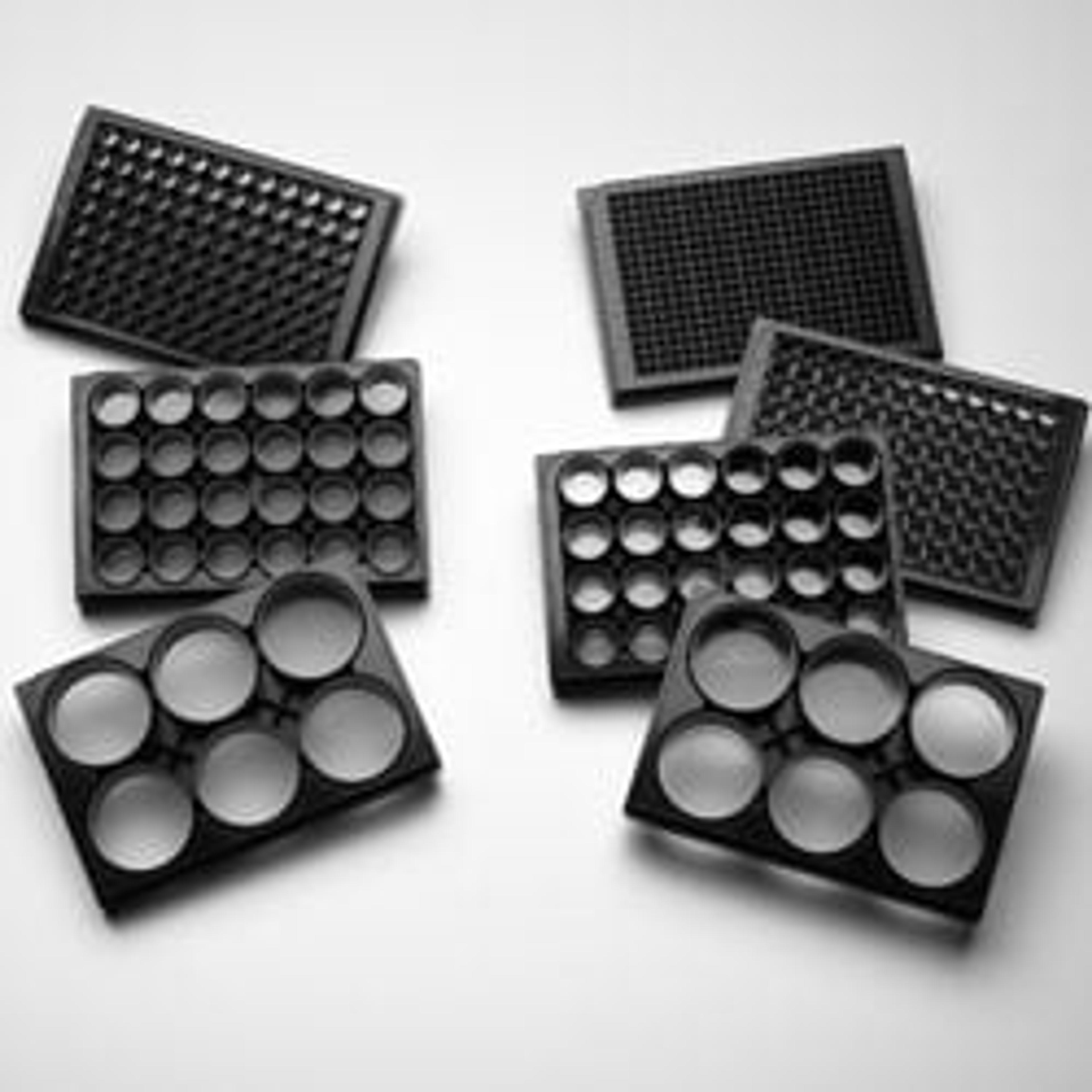
Elplasia Plates
Corning Life SciencesEnable high-density, scaffold-free, self-assembly spheroid formation, culture, and analysis in a standard plate footprint
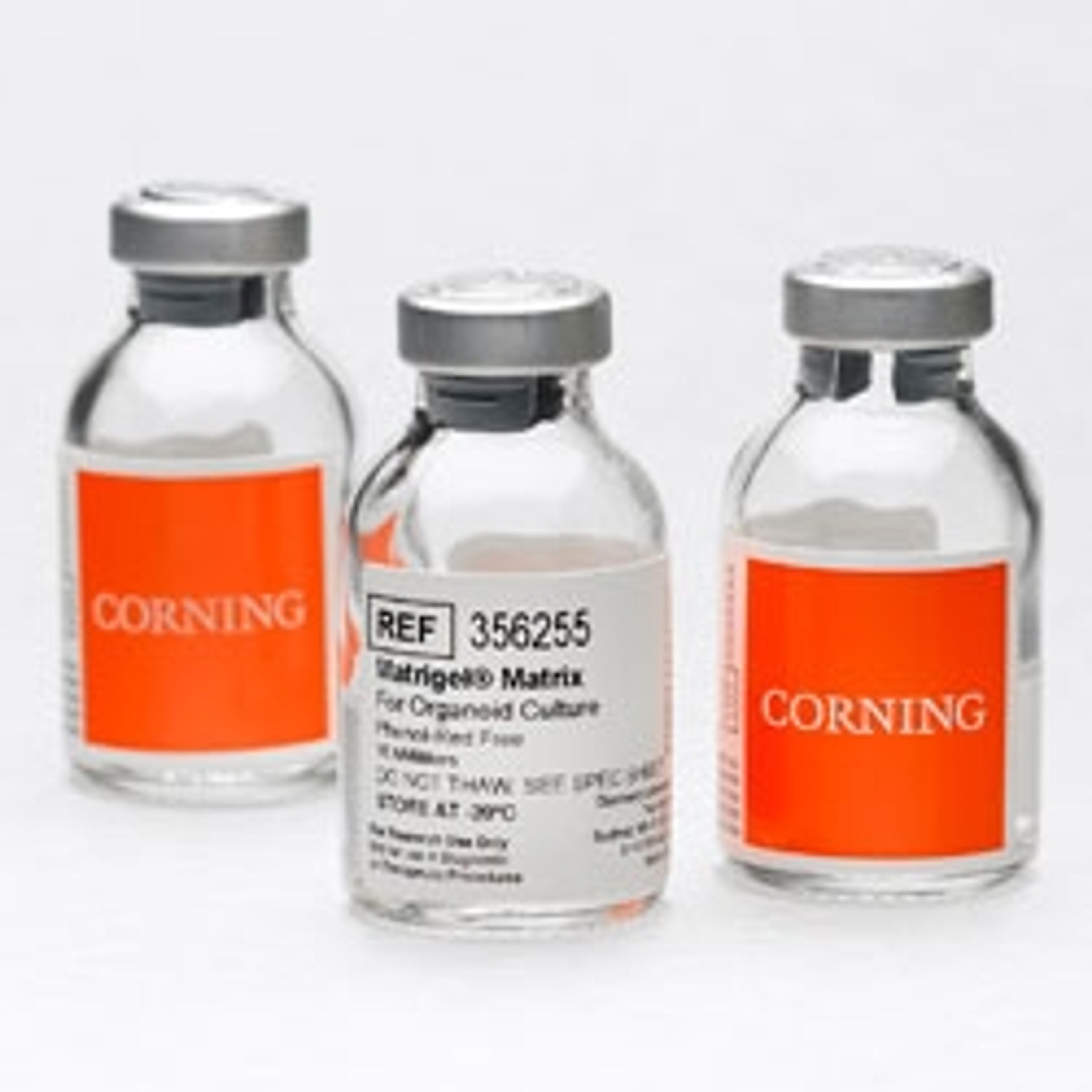
Corning Matrigel Matrix for Organoids
Corning Life SciencesAn optimized extracellular matrix that provides a convenient, ready-to-use solution, verified to support organoid growth and differentiation
Links
Tags
Cell / Tissue CultureCell culture or tissue culture is used to study the biology of cells or tissues and to isolate cellular products in an environment which can be manipulated and well defined. Accurately control your culture environment with bioreactors or culture incubators, bind your cells to a surface or together with an extracellular matrix. Distinguish cell types with differential media or proliferate cells with certain characteristics using selective media. Enrich your media with supplements such as growth factors, sera and vitamins. Find the best cell and tissue culture products, kits and equipment in our peer-reviewed product directory: compare products, check customer reviews and receive pricing direct from manufacturers.Cell BiologyCell biology studies the structure, function, and behavior of cells. Understanding cellular processes is essential for research in areas such as cancer biology, stem cell research, and neurobiology. Techniques like flow cytometry, microscopy, and cell culture enable researchers to explore cellular mechanisms in detail. Browse our peer-reviewed product directory to find the best cell biology tools and equipment, compare products, check customer reviews, and get pricing directly from manufacturers.SpheroidsSpheroids are clusters of cells that have been grown in 3D culture to be used as <i>in vitro</i> model systems. These 3D microtissues can be used for toxicology testing, DMPK studies and many other applications involving cell analysis.