
Spatiospectral nanoimaging of surface phonon plasmons
27 Jun 2023With their high spatial confinement, surface plasmon polaritons (SPPs) and surface phonon polaritons (SPhPs) in 2D materials can open up new opportunities to enhance light-matter interaction and enable the development of super lenses, subwavelength metamaterials, and other novel photonic devices. In-situ characterization of these polaritonic excitations across different applications requires a versatile optical imaging and spectroscopy tool with nanometer spatial resolution and wide spectral coverage. In this application note from Bruker, explore how through a noninvasive near-field light-matter interaction, scattering-type scanning near-field optical microscopy (s-SNOM) provides a unique way to selectively excite and locally detect electronic and vibrational resonances in real space.
Related products
Request Quote for All Products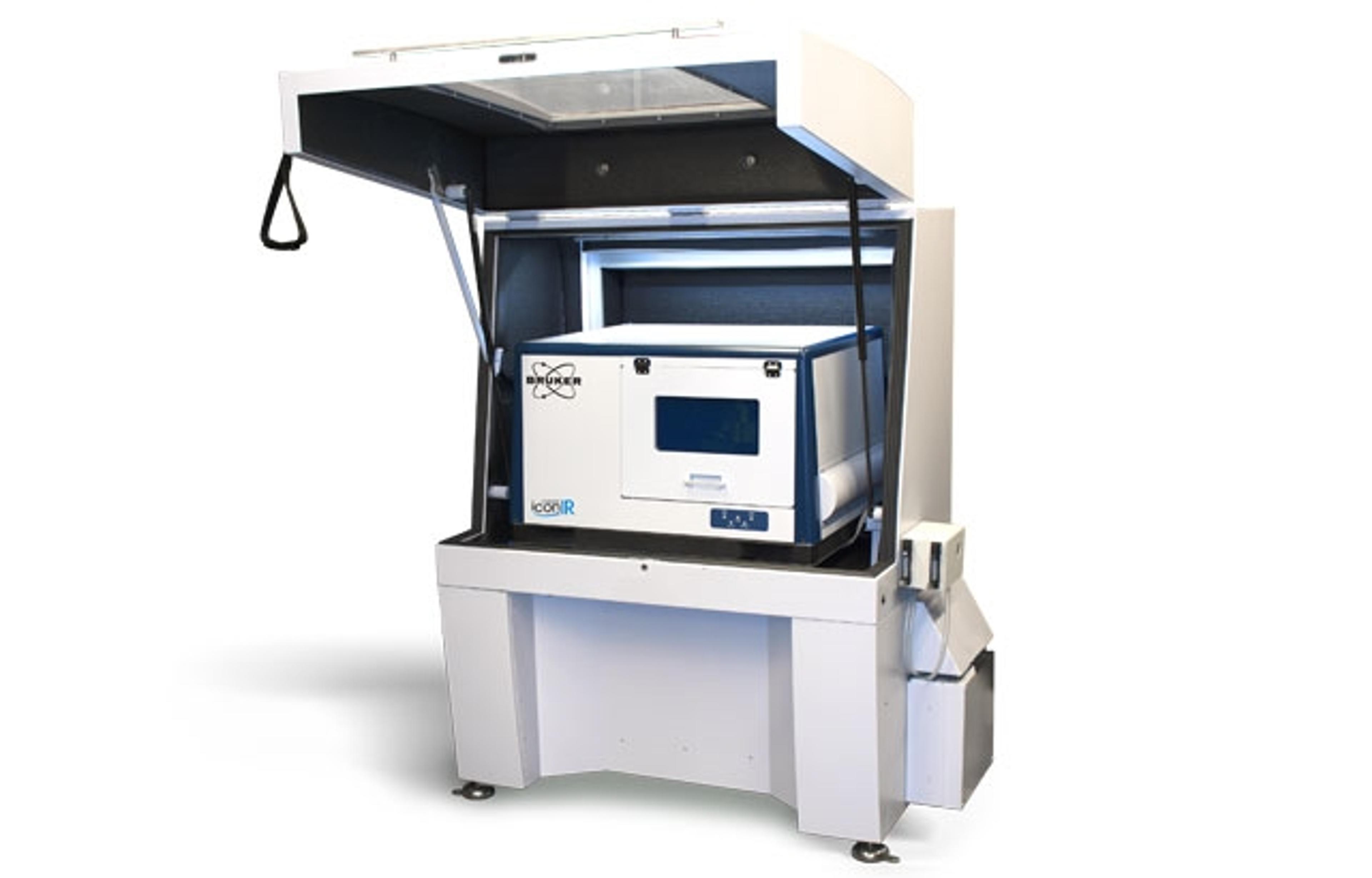
Dimension IconIR
Bruker Nano Surfaces and MetrologyBruker’s large-sample Dimension IconIR system combines nanoscale infrared (IR) spectroscopy and scanning probe microscopy (SPM) on one platform to deliver the most advanced spectroscopy, imaging, and property mapping capabilities available for academic researchers and industrial users. Incorporating decades of research and technological innovation, IconIR provides unrivaled performance based on and building off the industry-best AFM measurement capabilities of the Dimension Icon.
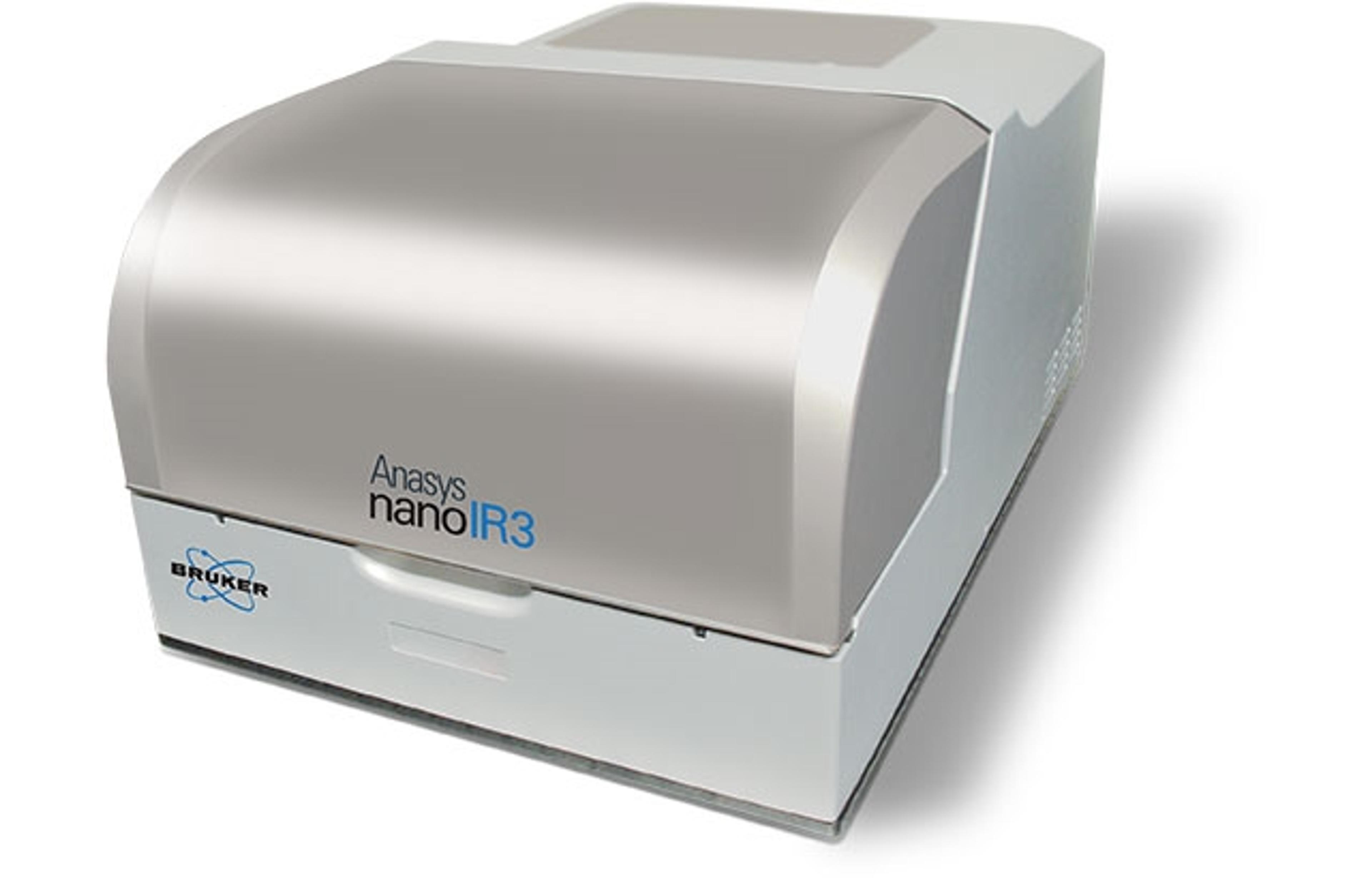
Anasys nanoIR3
Bruker Nano Surfaces and MetrologyThe nanoIR3 is the latest generation nanoscale IR spectroscopy, chemical imaging, and property mapping system for both materials and life science applications. The system also provides IR-based chemical imaging to provide mapping of chemical variations of the feature of interest. Unique point spectroscopy capabilities provide both spectroscopy and chemical imaging with a single source.