Solid phase extraction of natural cannabinoids and metabolites from blood and urine

2 Aug 2022

In this application note, UCT, Inc. outlines two separate extraction methods for four natural cannabinoids and Δ9-THC metabolites from blood and urine using UCT's Clean Screen® THC and Styre Screen® HLB.

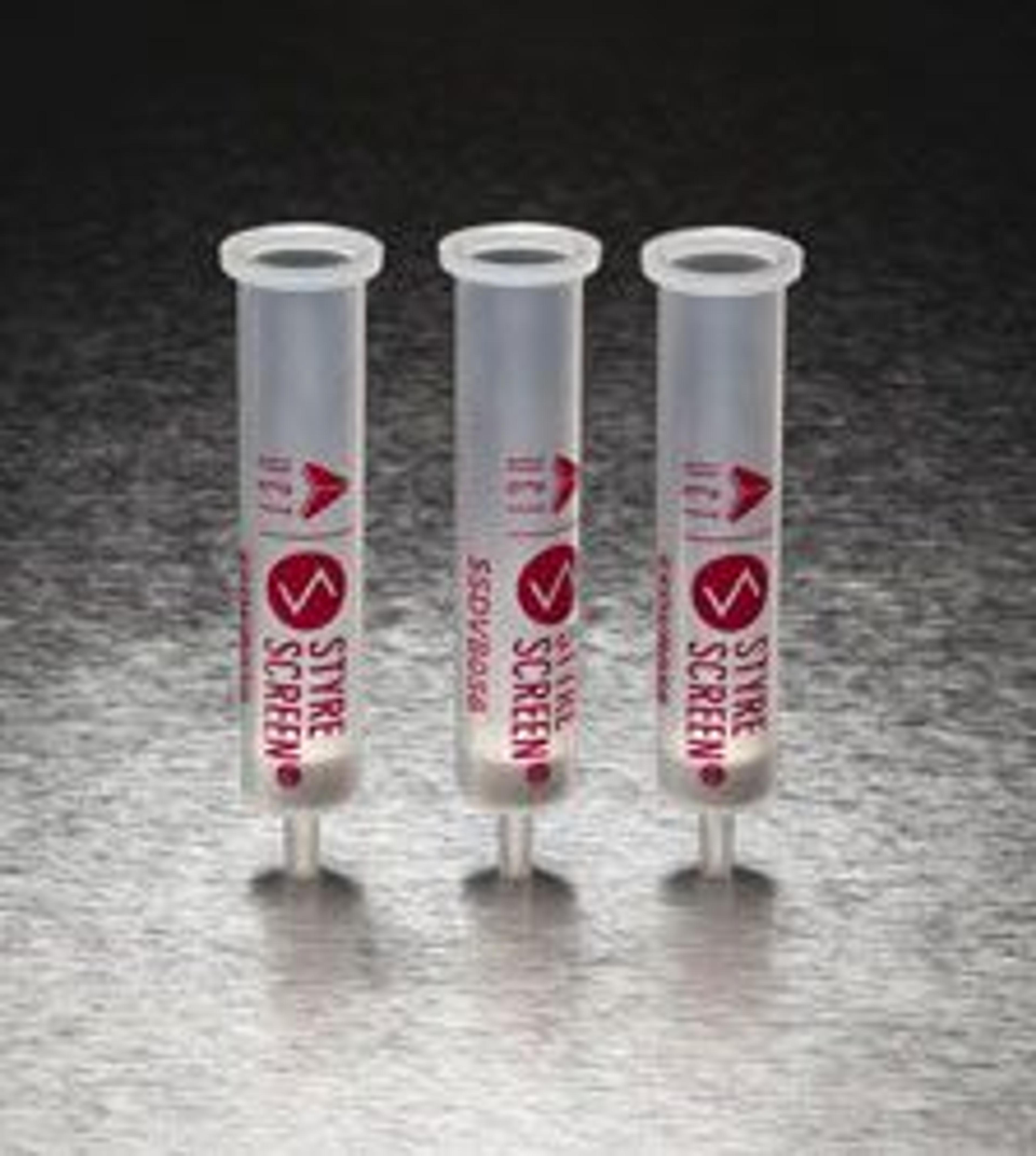
Styre Screen® Extraction Columns

UCT, Inc.

Styre Screen® Extraction Columns contain an ultra clean, highly cross-linked styrene and divinylbenzene copolymer. The Styre Screen particles have an average particle size of 30 microns and a very high analyte capacity making them ideal for standard solid phase extraction applications. The increased analyte capacity means that less sorbent bed mass is needed which results in faster flow rates and less solvent use. Higher throughput and less solvent waste disposal translate into significant savings in both time and money. In addition, no conditioning steps are required for most analyte applications.   Styre Screen® Extraction Columns Advantages:   Copolymer allows for extraction of acids, neutrals and bases High and reproducible recoveries Clean extractions Highly cross-linked styrene/divinylbenzene polymer Reduction in sorbent mass Faster flow rates pH stable (1 to 14) Reduction in solvent use High sorbent capacity Methods for NIDA/SAMHSA 5 Drugs
(0)

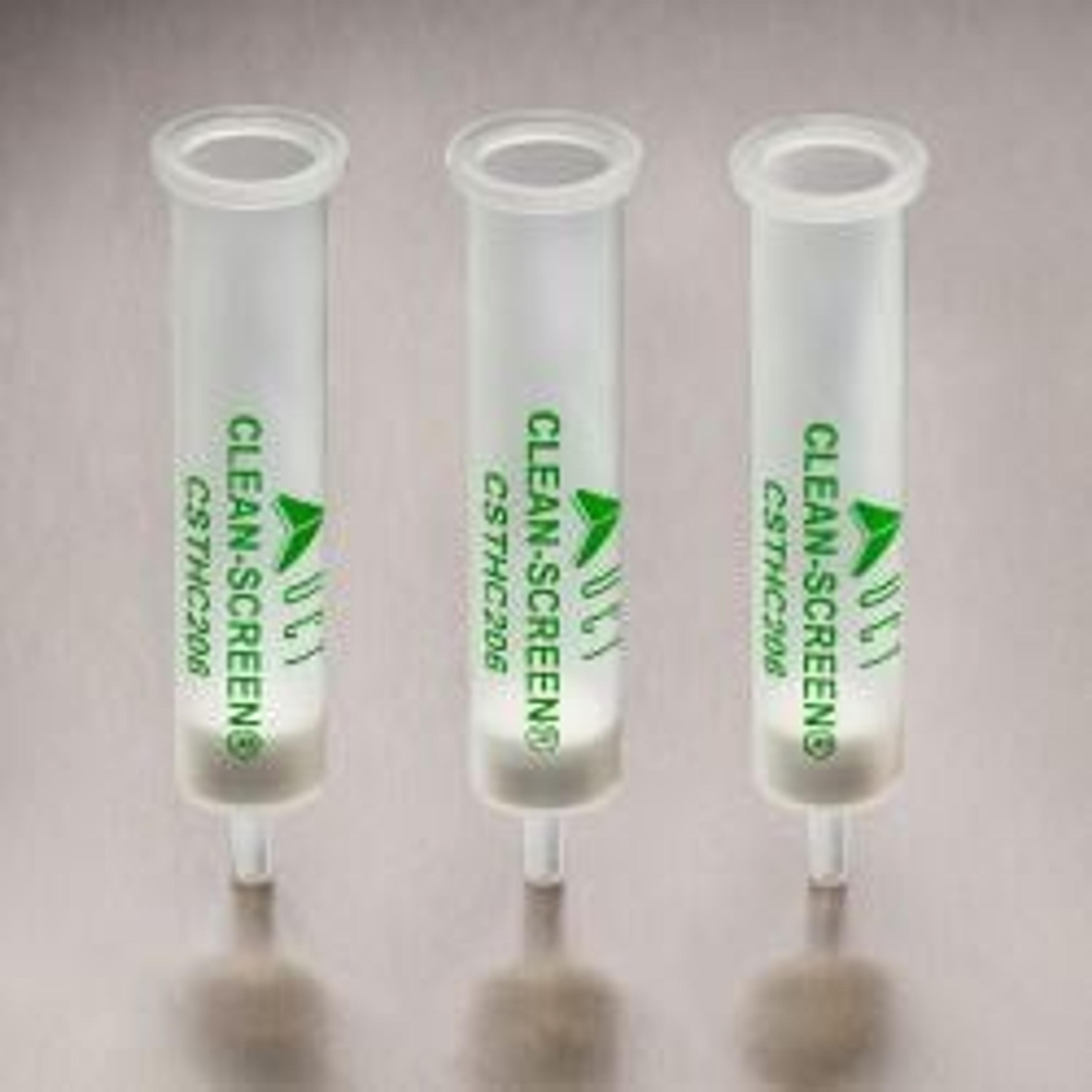
Clean Screen® THC

UCT, Inc.

The CLEAN SCREEN® THC column is copolymerized on a rigid, purified silica gel support. The two functional groups include a reverse phase, and an ion exchanger, primary amine. This column is commonly used for analyzing THC and its metabolites. It has dual functionality for acids and hydrophobic compounds.

(0)

Links

Tags

Solid-Phase ExtractionSolid-phase extraction (SPE) is used for clean-up, extraction and concentration of semi-volatile or non-volatile analytes from complex mixtures including blood, urine and food samples. Multiple formats are available for conducting SPE, including prepacked SPE cartridges, disks and microplates, as well as SPE sorbent powders for manual packing. SPE systems can be used to automate the process and extract multiple samples at once. Solid-phase microextraction (SPME) and supported liquid extraction (SLE) products are also available in the same formats. Find the best SPE, SLE and SPME equipment in our peer-reviewed product directory: compare products, check customer reviews and receive pricing direct from manufacturers.Quantitative AnalysesQuantitative analyses involve measuring the amount or concentration of a substance in a sample using analytical techniques. These analyses are essential in fields like chemistry, biology, and environmental science. Explore quantitative analysis tools in our peer-reviewed product directory; compare products, check reviews, and get pricing directly from manufacturers.Solid Phase Extraction (SPE)Solid phase extraction (SPE) is a sample preparation technique used to separate and concentrate analytes from complex mixtures. It is widely used in environmental, pharmaceutical, and clinical analysis. SPE provides higher sensitivity and selectivity compared to traditional liquid-liquid extraction methods, making it essential for accurate and reproducible results. Explore SPE tools and systems in our peer-reviewed product directory; compare products, check reviews, and get pricing directly from manufacturers.Blood AnalysisThe analysis of blood is vital for many areas of life sciences and forensic investigations. Blood samples can be tested for a number of different reasons such as diagnosis, glucose levels, cholesterol and drug testing.CannabinoidsCannabinoids are compounds found in cannabis that have therapeutic effects, such as pain relief, anti-inflammatory properties, and potential neuroprotective benefits. Research into cannabinoids is growing, particularly in the fields of pain management, neurological diseases, and cancer treatments. Browse our peer-reviewed product directory to find the best cannabinoid research tools, compare products, check reviews, and get pricing directly from manufacturers.UrineThe analysis of urine is important in medicinal, anti-doping, forensic and life sciences applications. The ability to evaluate what someone has ingested through their urine enables fast detection and diagnosis of certain illnesses.