Simultaneous electrical and mechanical property mapping at the nanoscale with PeakForce TUNA
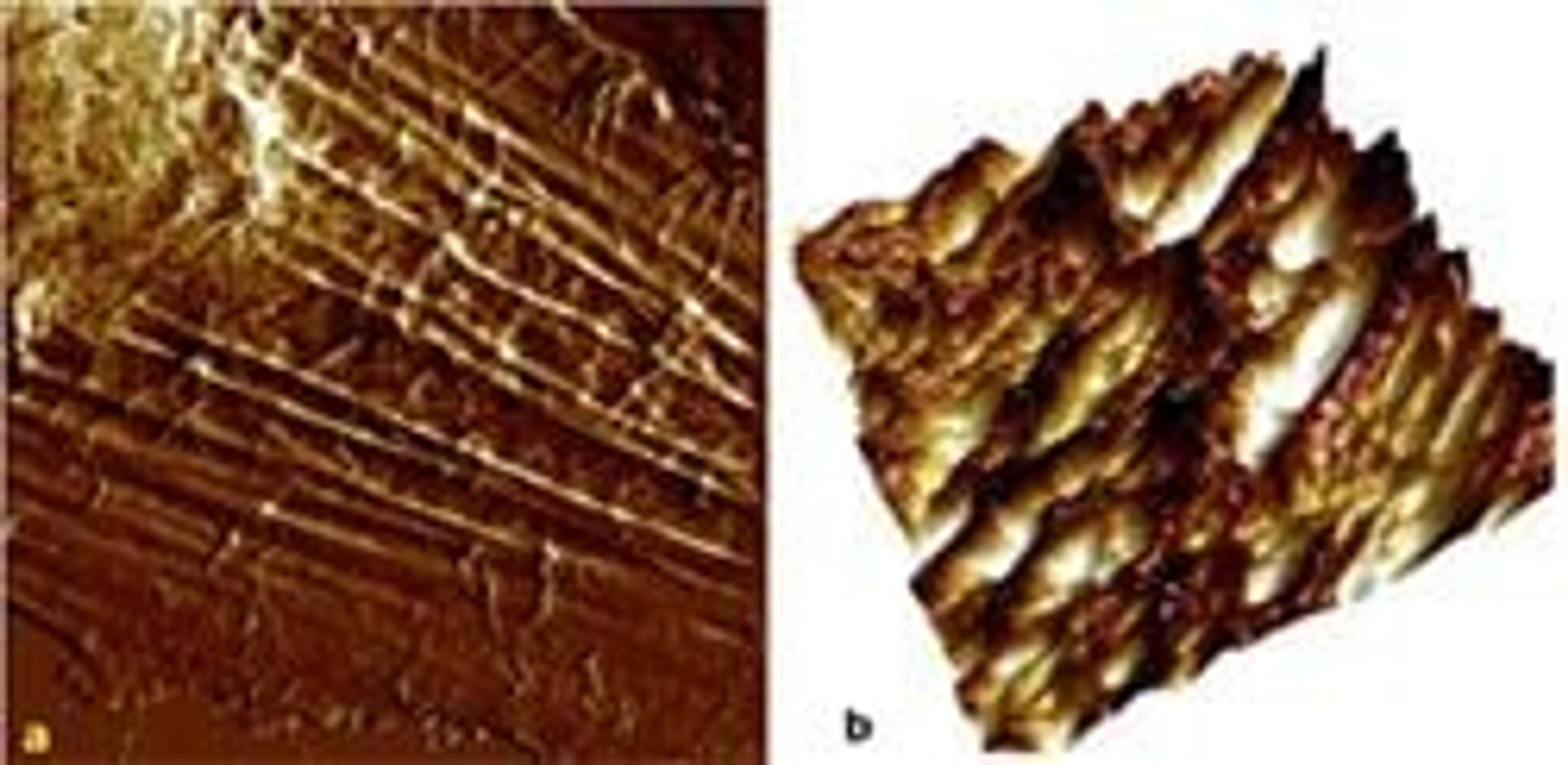
21 Jun 2023Atomic force microscopy (AFM)-based conductivity measurements are a powerful technique for nanometer-scale electrical characterization on a wide range of samples. Tunneling AFM (TUNA), cover the lower current range (sub-pA up to nA). Bruker has developed an enhanced TUNA module with its proprietary PeakForce Tapping™ mode of operation that makes significant improvements to all three of these elements to enable exquisite tip-sample force control, quantitative nano-mechanical material property mapping through PeakForce QNM™, correlated nanoscale electrical property characterization through TUNA, and extreme ease of use through the ScanAsyst™ image optimization algorithms. A special probe has also been designed for use on particularly challenging samples. In this application note, explore the basics of PeakForce TUNA™, and compare it to standard Contact Mode–based TUNA.