
Simplify your ICP-MS workflow
21 Jan 2022This product brochure describes Agilent’s Easy-fit ICP-MS supplies which are designed to simplify replacing and trimming your peristaltic pump tubing, verifying the timing, and updating the method after changing the ISIS 3 sample loop and periodic lens cleaning.
Related products
Request Quote for All Products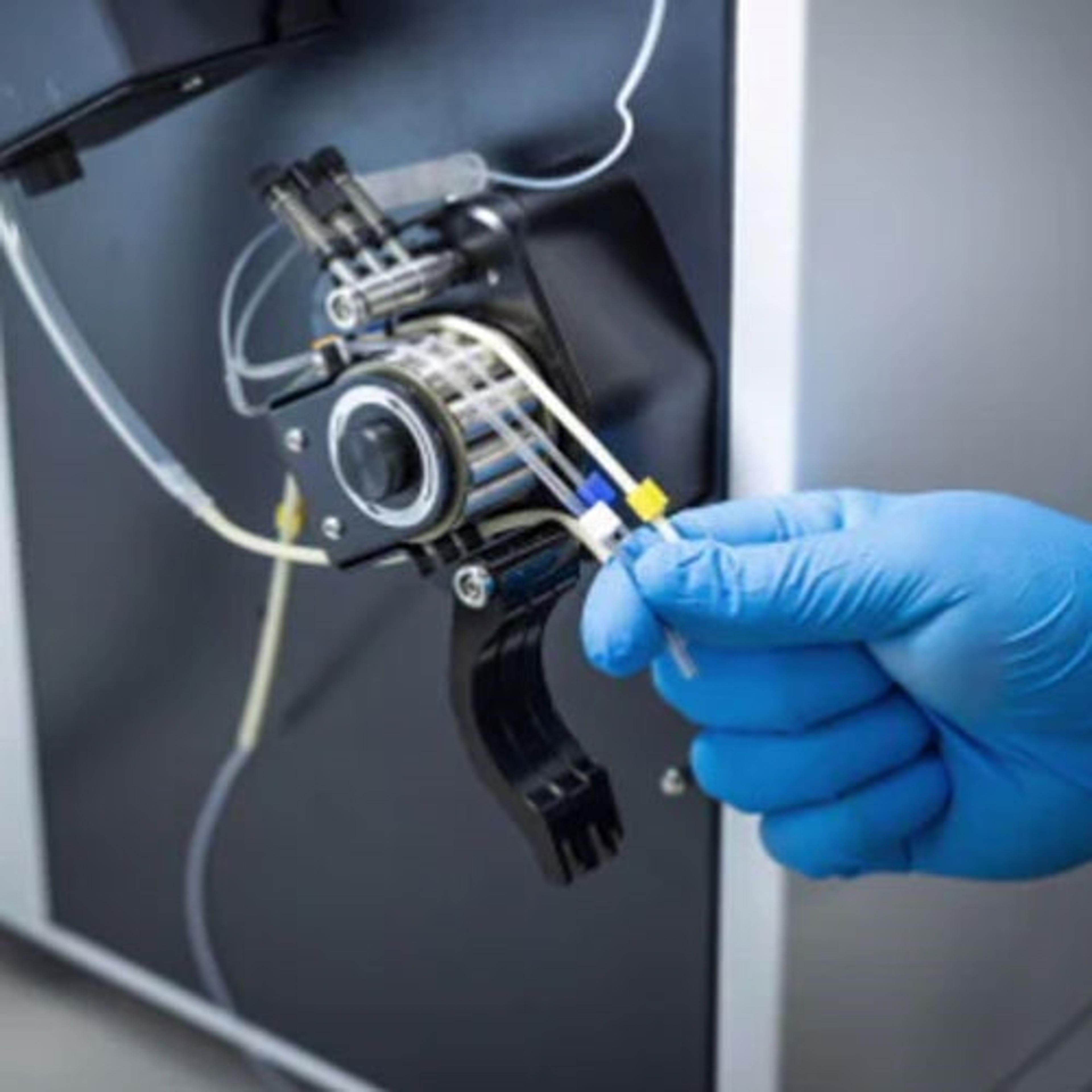
Easy-fit Peristaltic Pump Tubing for ICP-MS
Agilent TechnologiesAgilent provides a range of Easy-fit peristaltic pump tubing for ICP-MS, in suitable materials for your sample and matrix. This includes robust long-life drain tubing and high purity uptake tubing. Including materials such as PVC, SolvaFlex and Ismaprene to meet your application needs including aqueous, organic solvent or HF resistance. The Agilent ICP-MS features an on-board peristaltic pump that controls the flow of solution into and waste out of the sample introduction system. Using a peristaltic pump to assist sample introduction reduces the variation in uptake flow rate due to variation in physical properties of the solutions being introduced.