
Simple Analysis of Pesticides Using AOC-MEPS System
19 Apr 2017MEPS (microextraction by packed sorbent), a solid phase microextraction system developed by SGE, consists of a solid-phase extraction cartridge that is integrated in a syringe needle. Analytes of interest can be trapped on the solid phase by simply aspirating the sample, and can accommodate volumes ranging from microliters to milliliters. The analytes that are bound to the sorbent material in the cartridge are dissolved by aspirating elution solvent (volumes from as little as a few to hundreds of microliters), and then injecting directly into the GC or GC/MS for analysis. In this application note, Shimadzu introduces examples of analysis of pesticide residues in crude food extracts and in water using the AOC-MEPS system.
Related products
Request Quote for All Products
GCMS-QP2010 Ultra Gas Chromatograph Mass Spectrometer
Capable of fast data measurement with sensitivity five times higher than previous models, the GCMS-QP2010 Ultra offers improved applicability for comprehensive two-dimensional GC and ultra-high separation. Shimadzu used new, patented mass spectrometry technology called Advanced Scanning Speed Protocol (ASSP™), a firmware protocol that optimizes the ion transmission hardware parameters with a highly efficient data collection algorithm, to increase data acquisition speed up to 20,000 u/sec and 100 Hz. ASSP also provides the added benefit of maintaining system sensitivity at elevated scan speeds. To help increase throughput, the GCMS-QP2010 Ultra features high-speed oven cooling for shorter analysis cycles. Using a double jet cooling system, the GC cools from 350 to 50 degrees Celsius in less than three minutes. The combination of a high-speed GC method and a high-speed cooling oven can reduce the analysis cycle by up to 50 percent. To further increase lab efficiency, the GCMS-QP2010 Ultra can accept two narrow-bore capillary columns into the MS simultaneously. Its twin-line MS system allows users to switch applications without physically modifying the column installation. Users simply decide which columns are required for analysis and choose the associated injection port.
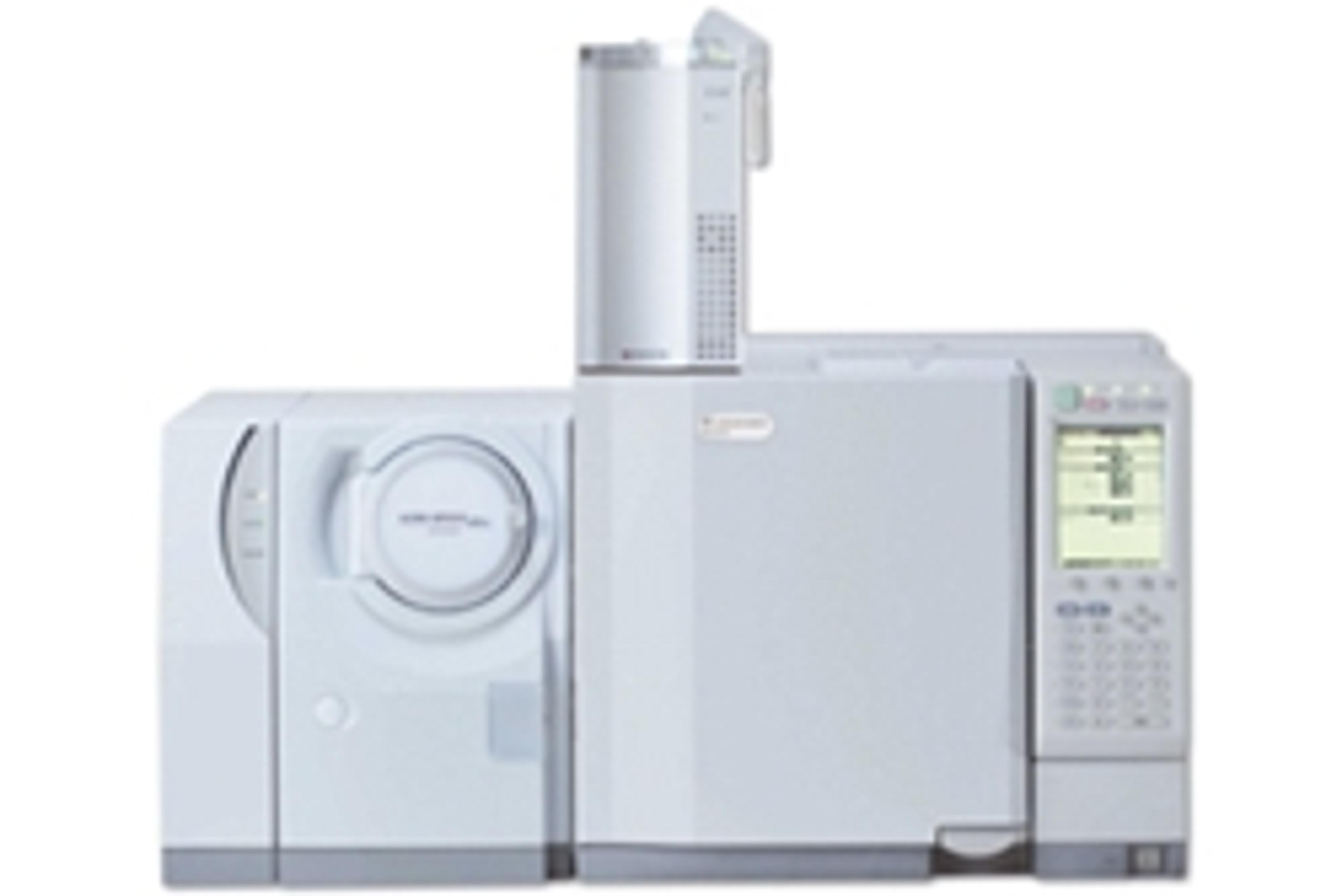
GCMS-QP2010 Plus
The GCMS-QP2010 Plus shows the highest sensitivity ever reached in a GCMS system. Ideal for rapid analysis of trace components, the GCMS-QP2010 Plus is the ideal instrument for complex organic mixtures in fields from forensics to environmental and food and flavours sciences. Intelligent software solutions like LRI (Linear Retention Index) and AART (Automatic Adjustment of Retention Times) make analysis not only easier but also secure. For highest sensitivity of target compounds and easy identification of unknowns in the same run, Scan and SIM can be set in one method file.