ResourceMaterials

Shimadzu Journal: Materials Science

2 Jul 2024

Published biannually, the Shimadzu Journal focuses on specific topics in each issue, introducing collaborative research, and containing technical reports and application notes from Shimadzu.

Volume 10, Issue 1 (November 2022) focuses on Materials Science, particularly on lithium-ion batteries (LiBs). It has two customer interviews where users discuss their relationship with Shimadzu. The first interview is with Dr. Sascha Nowak, head of the Analytics & Environment division of the MEET battery research center in Münster, Germany. The second is a discussion with Mr. Keiji Sumiya from the Japanese chemical manufacturer Showa Denko Materials Co., Ltd.. Plus, Shimadzu highlights four applications of analyzing LiBs from different angles using its latest technologies, and also presents information on current news and topics.
Links

Tags

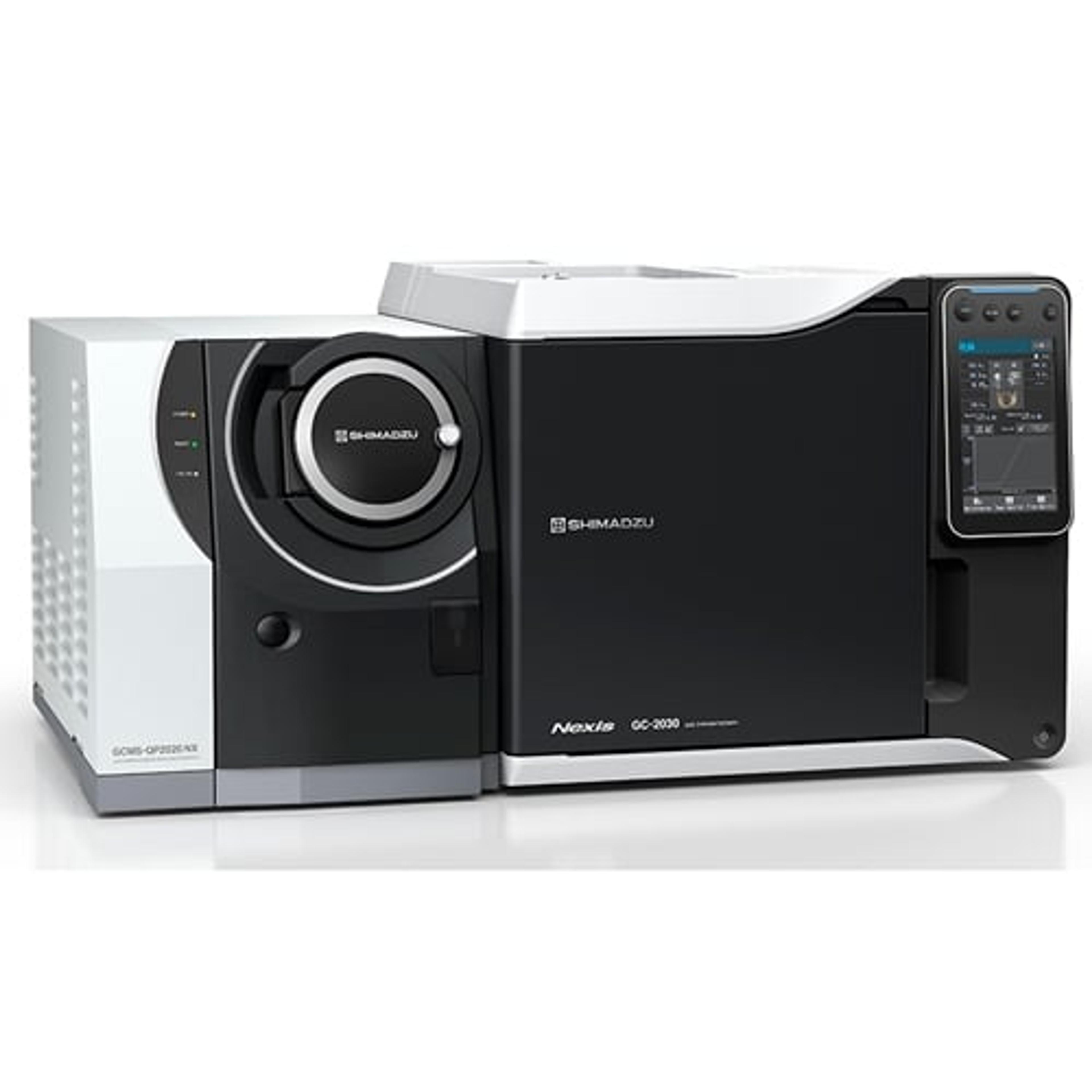
GC-MS GC-MS (gas chromatography-mass spectrometry) instruments and equipment are used to separate, quantify and identify mixtures of small and volatile compounds, such as polycyclic aromatics, fatty acids and alcohols. Often used in drug detection, forensic investigation and environmental analysis for pesticides and contaminants, GC-MS is a powerful addition to your lab’s analytical capabilities. GC-MS/MS instruments equipped with a qTOF or triple quadrupole analyzers can give greater sensitivity and resolution to your analysis. Find the best GC-MS instruments and equipment in our peer-reviewed product directory: compare products, check customer reviews and receive pricing direct from manufacturers.Mass SpectrometryMass spectrometry (MS) is a powerful analytical technique used to identify and quantify molecules based on the mass-to-charge ratio of gas-phase ions. It provides detailed information about the structure, composition, and properties of compounds and is widely used across fields such as environmental monitoring, materials science, drug discovery and development, food and beverage testing, and wider chemical research. Key MS techniques include tandem mass spectrometry (MS/MS), liquid chromatography–mass spectrometry (LS-MS) and inductively coupled plasma (ICP-MS). Choosing from these wide range of techniques and technologies can be a daunting task, so keep up to date with scientific applications, performance expectations, and customer reviews here all in one place. Visit our product directory to receive quotes direct from the manufacturer. LIBSLithium-Ion BatteriesBatteries
Shimadzu Journal: Materials Science