ResourceMaterials
SEM and EDS analysis in industry
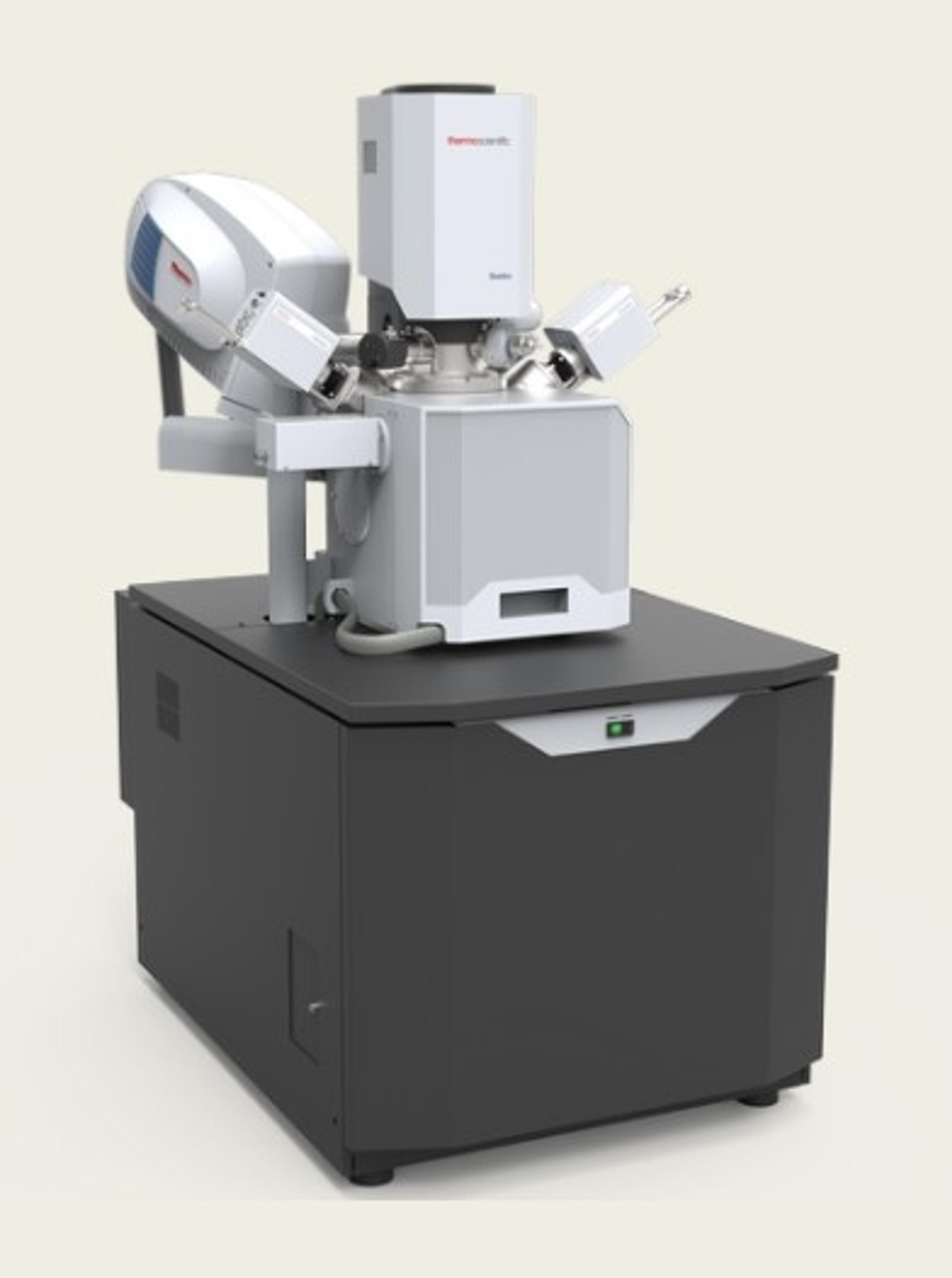
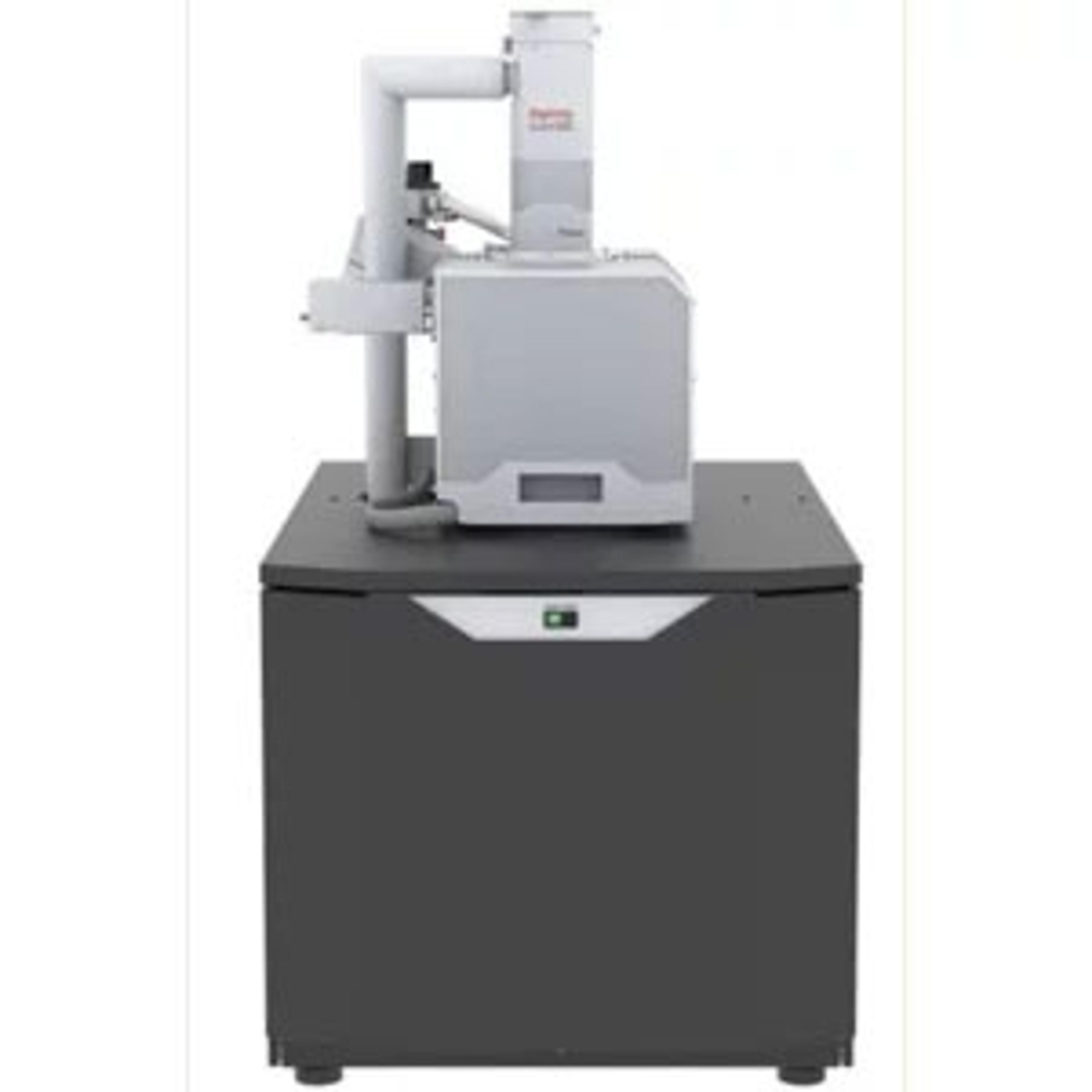
19 Feb 2021As the complexity of industrial processes increases, so does the need for more rigorous, high-quality analysis to ensure that products meet all standards of quality and reliability. Scanning electron microscopy (SEM) has become a common tool for modern research and development, as well as for failure analysis and troubleshooting, because it provides detailed (nanometer-scale) information about the surface structure of samples. SEM is often used in conjunction with energy dispersive X-ray spectroscopy (EDS), which adds elemental information to the surface imaging data.
Download this ebook to learn more about:
- How the joint application of SEM and EDS analysis supports in-depth material characterization for industrial applications
- How Thermo Scientific ColorSEM Technology is designed to integrate these two techniques into a single, fast, easy-to-use package, accessible to novices and experts alike
Links
Tags
Mechanical TestingMechanical testing explores the elastic and inelastic nature of a material when force is applied. A mechanical test shows whether a material is suitable for its intended application by measuring hardness, tensile strength, elongation, elasticity, and fatigue limit.Non-Destructive TechniquesNon-destructive techniques (NDT) describes a variety of analytical techniques used to evaluate the properties of a material. Common methods include ultrasonic, magnetic-particle, liquid penetrant, radiographic, remote visual inspection (RVI), and eddy-current testing. NDT is regularly used in forensic engineering, civil engineering, mechanical engineering, electrical engineering, systems engineering, aeronautical engineering, and medicine.Light MicroscopyLight microscopes or optical microscopes are used to visualize microscale objects under magnification, including cells, clinical specimens and materials. Lab equipment for light microscopy includes confocal microscopes, fluorescence microscopes, zoom and stereo microscopes. Microscope slides and imaging reagents are available for visualizing samples, as well as various microscope stages and incubators for large or temperature-sensitive samples. Find the best light microscopes in our peer-reviewed product directory: compare products, check customer reviews and receive pricing direct from manufacturers.Electron MicroscopyElectron microscopes (EM) are used to create high-resolution images of samples at the nanoscale by means of an accelerated beam of electrons as a source of illumination. Types of electron microscope include scanning electron microscopes (SEM), transmission electron microscopes (TEM), scanning transmission electron microscopes (STEM) and cryo-electron microscopes. Focused ion beam (FIB) microscopes are useful for modifying or milling a sample surface with nanometer precision, as well as imaging. Find the best electron microscopes in our peer-reviewed product directory: compare products, check customer reviews and receive pricing direct from manufacturers.Quality ControlQuality control is needed in all production processes. Quality control is a monitoring procedure or set of procedures that are put in place to ensure that a manufactured product adheres to a defined set of quality criteria. Quality TestingQuality testing ensures that products meet required specifications and safety standards in various industries, including pharmaceuticals, food, and materials. It is essential for maintaining product quality and consumer safety. Explore quality testing tools in our peer-reviewed product directory; compare products, check reviews, and get pricing directly from manufacturers.MicroscopyMicroscopy is a technique used to observe small objects in detail, from cells to materials, using light or electron microscopes. It enables researchers to examine structures with high resolution, aiding in fields such as biology, medicine, and materials science. With advanced microscopy techniques, scientists can gain insights into cellular processes, tissue structures, and material properties. Explore the best microscopy solutions in our peer-reviewed product directory, compare products, read customer reviews, and get pricing directly from manufacturers.SEMScanning Electron Microscopy (SEM) is a technique that uses a focused electron beam to scan a sample and create high-resolution images. It is widely used in materials science, nanotechnology, and biological research. Explore SEM systems in our peer-reviewed product directory; compare products, check reviews, and get pricing directly from manufacturers.