
ResourceSeparations
Screening method for identification of forensic drugs
13 Apr 2020Confiscated drugs have to be tested for their identity in a cost-efficient way in police labs worldwide. To check for identity by HPTLC, micro-chemical reactions (derivatizations) can be performed on the plate after development, evaluated within a short time, and at low cost. Further confirmation can be achieved by comparing UV and mass spectra of samples and references.
Related products
Request Quote for All Products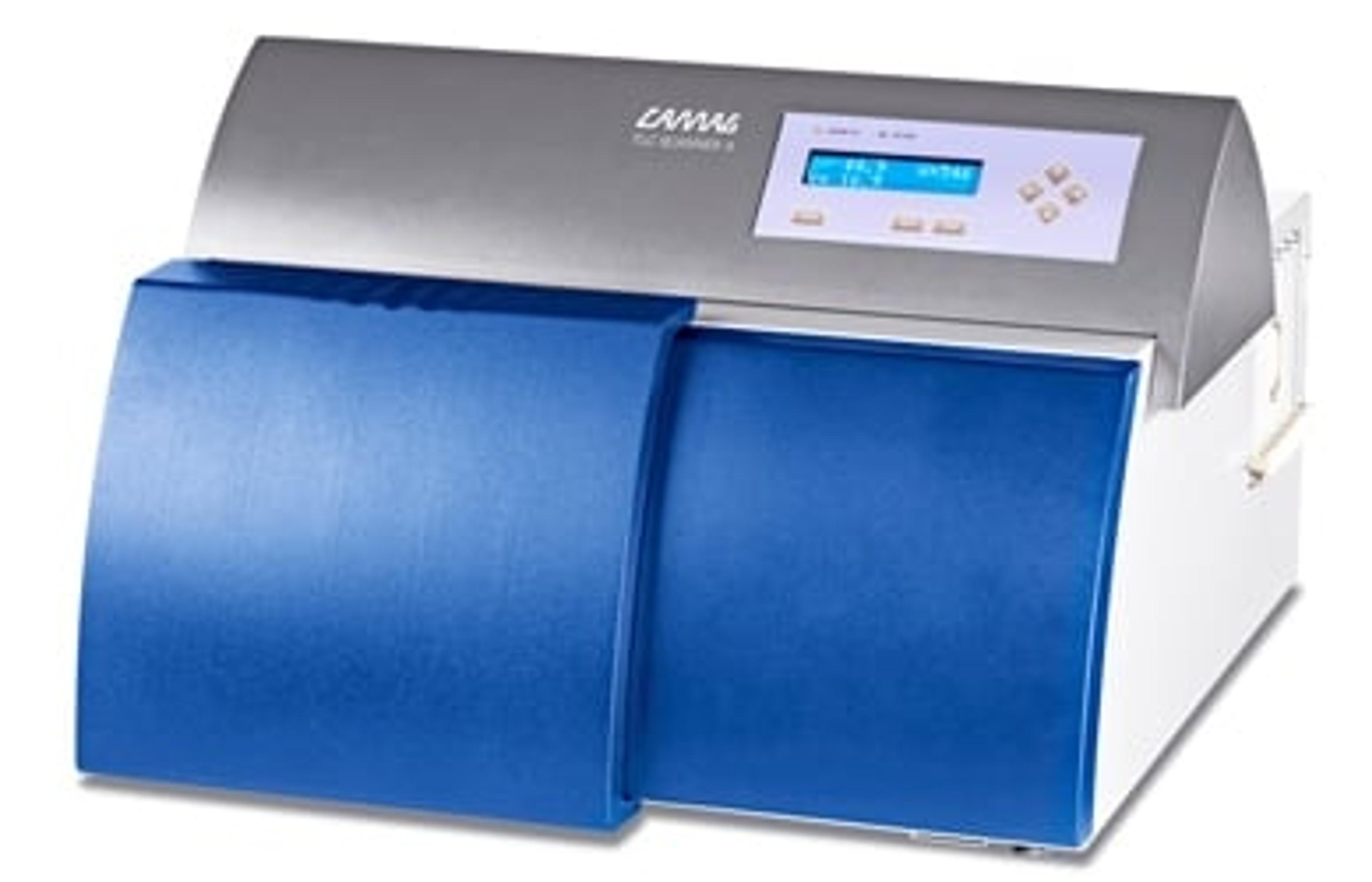
TLC Scanner 4
CAMAGThe TLC Scanner 4 is the most advanced workstation for densitometric evaluation of TLC/HPTLC chromatograms and other planar objects.
Links
Tags
Thin Layer ChromatographyThin-layer chromatography (TLC), also called planar chromatography, is an inexpensive and simple liquid chromatographic technique used to separate and identify small amounts of compound in a mixture, monitor progress of a reaction or determine purity of substance. TLC plates come in multiple sizes with common adsorbent layers being silica, aluminum oxide or cellulose and high-performance (HP-TLC) plates are also available for increased sensitivity. Other equipment needed includes TLC developing chambers, applicators, TLC sprayers and visualizing devices, such as a viewing cabinet and UV lamp. Find the best TLC products in our peer-reviewed product directory: compare products, check customer reviews and receive pricing direct from manufacturers.Drugs of AbuseA drug of abuse is a drug that has been taken for non-medical purposes. Such drugs can have mind-altering effects, with some causing dependence and addiction.Forensic InvestigationForensic investigation is a diverse collection of scientific techniques and methods for the identification and characterization of chemicals relating to crime scene investigations.Forensic ToxicologyForensic toxicology is used to determine cause of death, drug use and contaminations. Toxicological evaluations are commonly used in analytical chemistry, clinical, life sciences and forensics.