ResourceSpectroscopy

Revolutionary productivity for volatile residue and impurity analysis

9 Jul 2023

Enhancement of workflows for conventional analysis of volatile impurities is a great challenge due to chromatographic separation's relatively long analysis time. Additionally, expert operators are required, there is considerable sample preparation time, switching from one method to another requires a configuration change (hence re-calibration) or separate dedicated instruments and system maintenance is high. Syft Technologies provides information on how its mass spectrometry instruments can increase productivity and describes scenarios applicable to contract research organization (CRO) and contract drug manufacturing organization (CDMO) laboratories in which multiple volatiles methods need to be conducted regularly, while also catering for the occasional urgent and unscheduled analytical procedure.

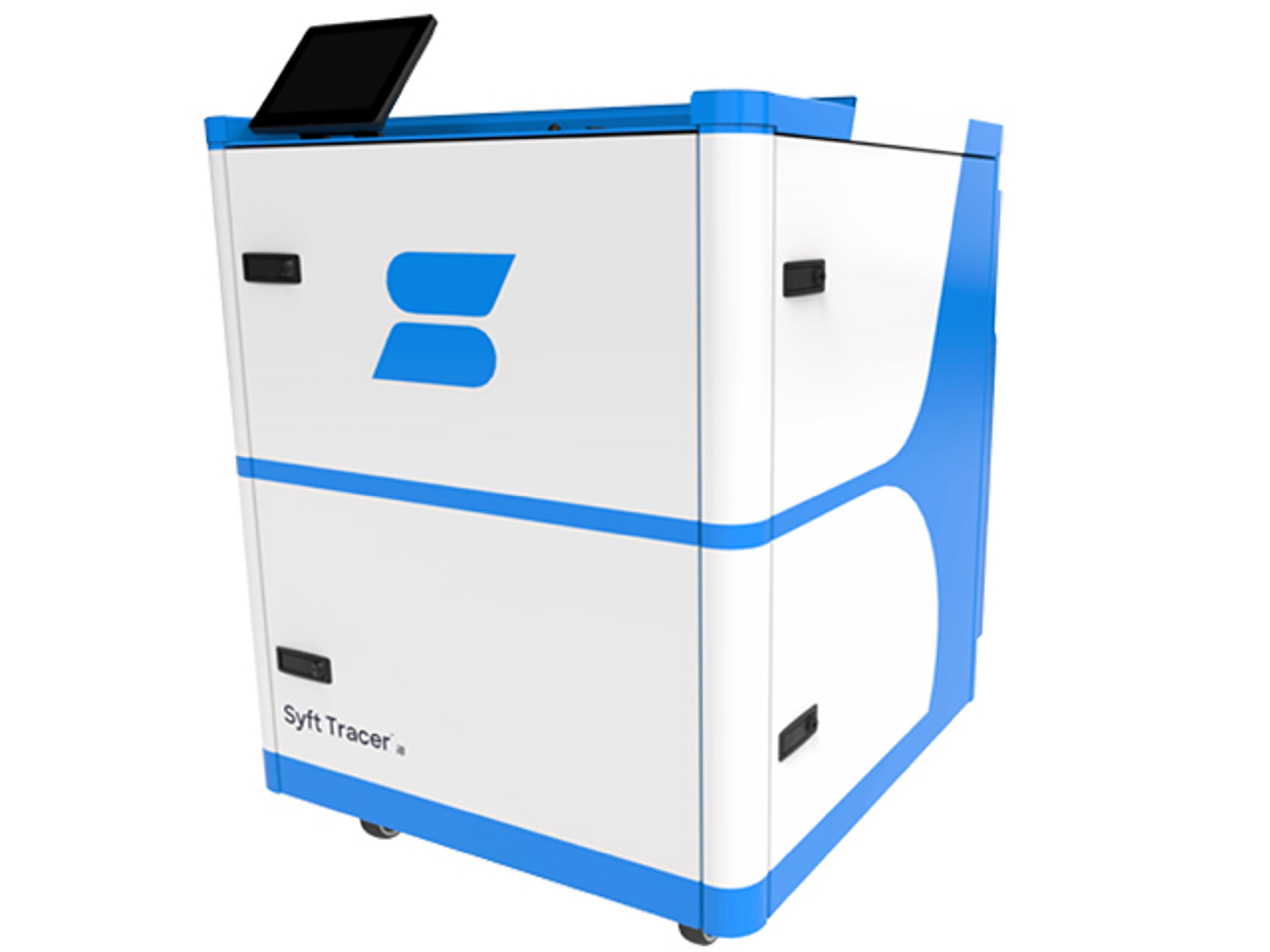
Syft Tracer

Syft Technologies

Syft Tracer is the next generation of real-time trace gas analysis. It delivers highly sensitivite, reproducible, and quantitative data with unparalleled performance stability.  Syft Tracer is optimized for high-throughput environments where 24/7 operation is the standard. SIFT-MS is built to solve the most difficult analytical challenges faced within a variety of industries and applications.  
(1)

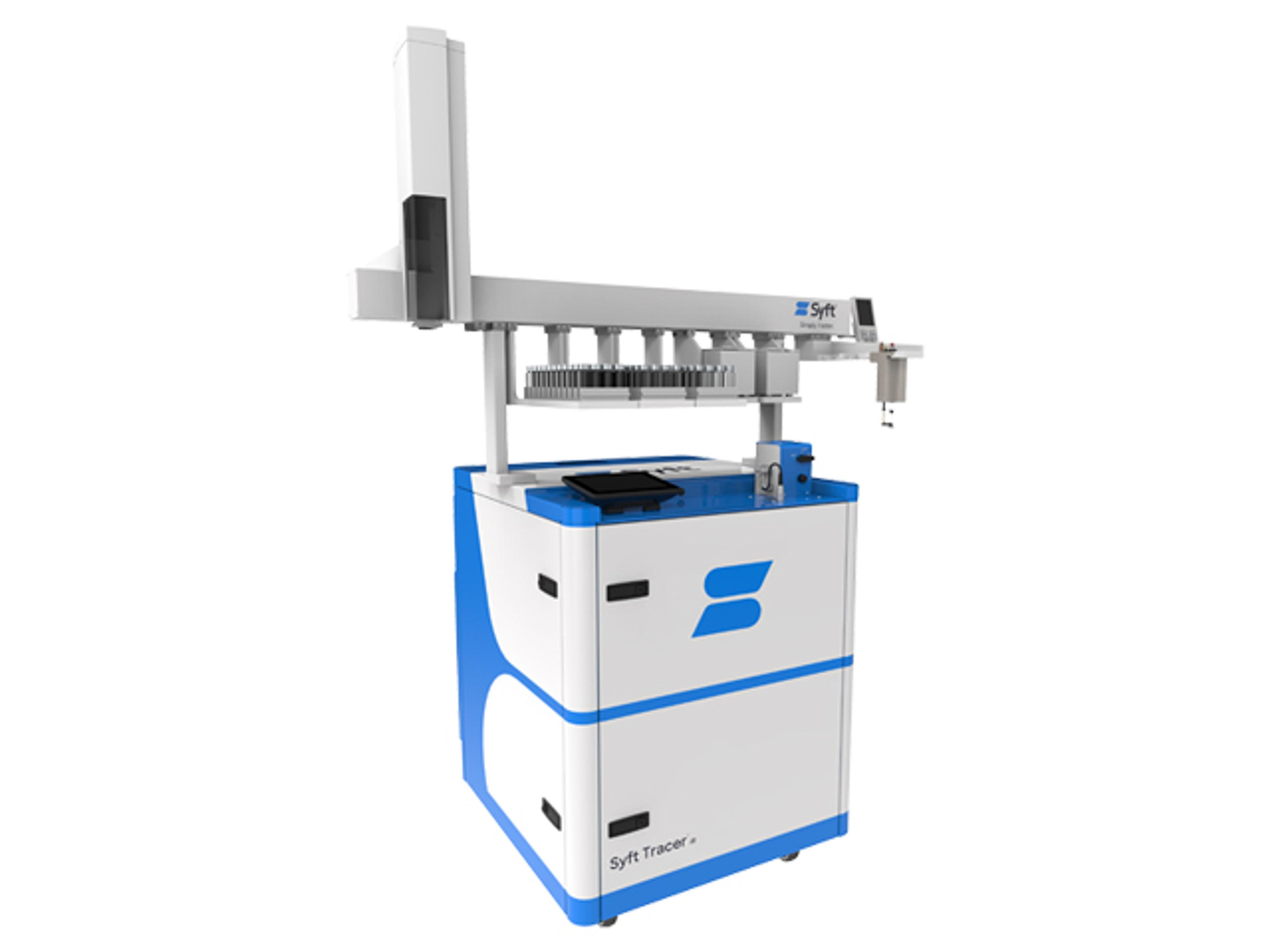
Syft Tracer Pharm11

Syft Technologies

Syft Tracer Pharm11 redefines genotoxic impurities analysis for compliant pharma and CDMO workflows as fast and easy with no sample preparation. This solution includes next-gen SIFT-MS Syft Tracer, a CTC autosampler, a high-throughput (HTP) inlet, and 21 CFR Part 11 compliant software SyftAuditTracer.

(0)

Links

Tags

Mass SpectrometryMass spectrometry (MS) is a powerful analytical technique used to identify and quantify molecules based on the mass-to-charge ratio of gas-phase ions. It provides detailed information about the structure, composition, and properties of compounds and is widely used across fields such as environmental monitoring, materials science, drug discovery and development, food and beverage testing, and wider chemical research. Key MS techniques include tandem mass spectrometry (MS/MS), liquid chromatography–mass spectrometry (LS-MS) and inductively coupled plasma (ICP-MS). Choosing from these wide range of techniques and technologies can be a daunting task, so keep up to date with scientific applications, performance expectations, and customer reviews here all in one place. Visit our product directory to receive quotes direct from the manufacturer. Quality ControlQuality control is needed in all production processes. Quality control is a monitoring procedure or set of procedures that are put in place to ensure that a manufactured product adheres to a defined set of quality criteria. HPLC Method DevelopmentIt is important to develop and validate HPLC methods in order to identify, quantify or purify compounds of interest in the most efficient way. Effective method development ensures optimization, quality control and cost effectiveness.Trace Level ImpuritiesTrace level impurities refer to low concentrations of unwanted substances found in chemicals, pharmaceuticals, and other products. Detecting and removing these impurities is crucial for product safety and regulatory compliance. Explore trace impurity analysis tools in our peer-reviewed product directory; compare products, check reviews, and get pricing directly from manufacturers.VolatilesVolatiles are a group of compounds that have a low boiling point and evaporate at room temperature. Volatiles, such as volatile organic compounds (VOCs), can be used to determine shelf-life of food samples. GC-MS is typically used to analyze volatiles.