ResourceSpectroscopy

Rapid Fingerprinting of Flavor Ingredients in Food Products

12 May 2014

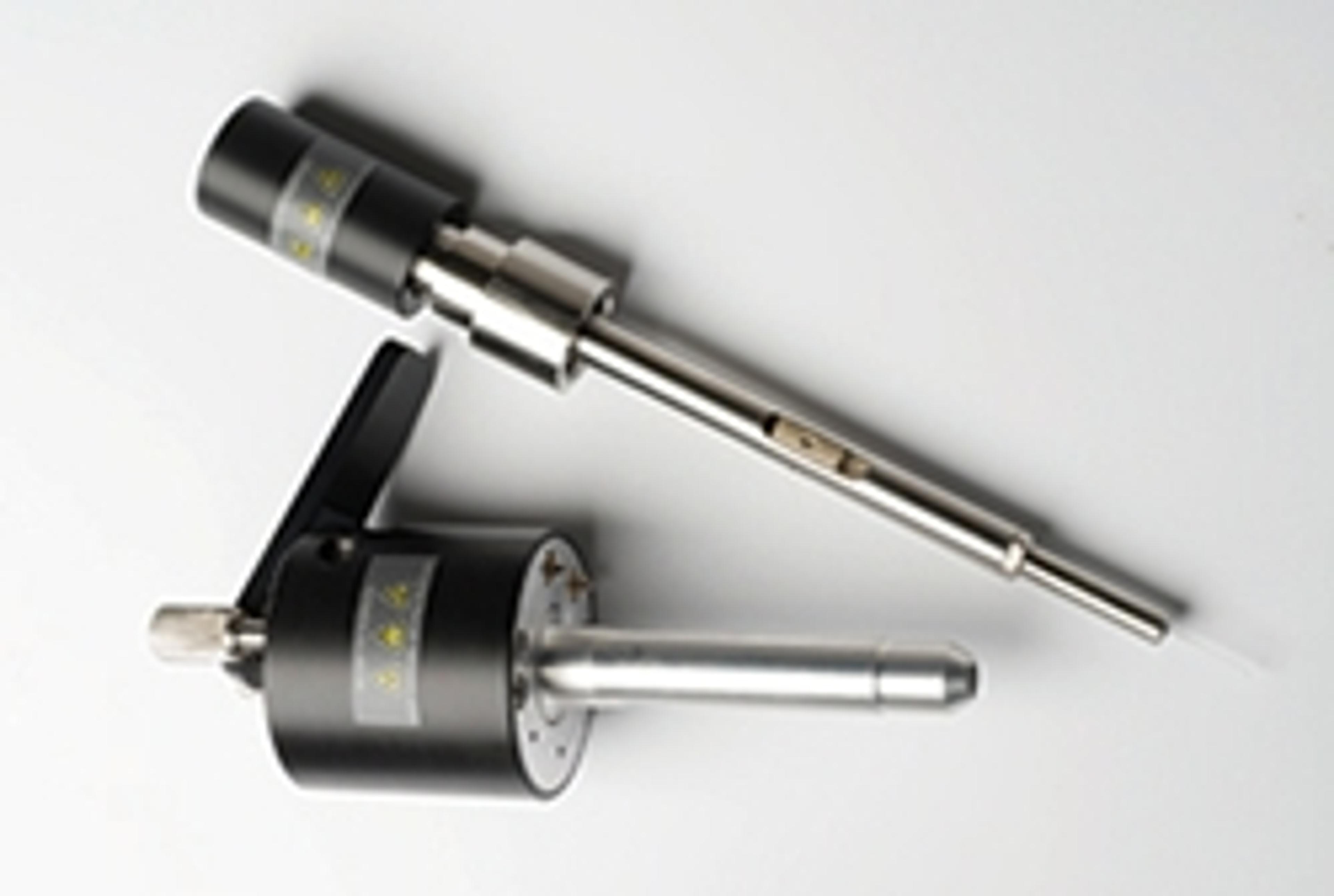
This application note describes how the Waters Atmospheric Solids Analysis Probe (ASAP), together with a quadrupole mass spectrometer are able to meet the demand. Without sample extraction, sample dilution, and chromatographic separation, ASAP can be used to rapidly fingerprint the chemical composition of flavor ingredients in various beverages and food products, such as vanilla extract, coffee, ice cream and cookies.

Atmospheric Solids Analysis Probe (ASAP)

Waters

The Atmospheric Solids Analysis Probe* (ASAP) is a useful tool for the rapid direct analysis of volatile and semi-volatile, solid and liquid samples using atmospheric pressure ionization.The ASAP technique utilizes the heated nitrogen desolvation gas to vaporize the sample and a corona discharge for sample ionization. This allows low polarity compounds not amenable to ESI, APcI and APPI to be ionized with a high degree of sensitivity. Furthermore complex mixtures can be analyzed without the need for any sample preparation

(0)

Links

Tags

Mass SpectrometryMass spectrometry (MS) is a powerful analytical technique used to identify and quantify molecules based on the mass-to-charge ratio of gas-phase ions. It provides detailed information about the structure, composition, and properties of compounds and is widely used across fields such as environmental monitoring, materials science, drug discovery and development, food and beverage testing, and wider chemical research. Key MS techniques include tandem mass spectrometry (MS/MS), liquid chromatography–mass spectrometry (LS-MS) and inductively coupled plasma (ICP-MS). Choosing from these wide range of techniques and technologies can be a daunting task, so keep up to date with scientific applications, performance expectations, and customer reviews here all in one place. Visit our product directory to receive quotes direct from the manufacturer. Triple Quadrupole MsFlavonoidsASAPFood FraudFood adulteration refers to food when it has been has been altered unlawfully with the addition of another lower commodity food product to increase quantity. The 2013 European horsemeat scandal saw the adulteration of beef products with the addition of horse meat.