
ResourceFood and Beverage
Rapid detection of yeast, mold and bacterial contaminants in beverages using fluorescence-based technology
18 Feb 2020Yeast, mold or bacteria contamination are common risks associated with many beverage manufacturing processes. This application note describes fluorescence-based technology used as a microbiology quality-control tool to dramatically reduce the time needed to detect potential contaminations. This method creates savings of raw materials and manufacturing capacities, resulting in financial savings for the manufacturer.
Related products
Request Quote for All Products
EZ-Fluo™ Rapid Detection System
Merck KGaA, Darmstadt, GermanyEZ-Fluo is a non-destructive method that enables you to continue to grow the microorganisms after they have been stained in order to identify them using any standard ID technology.
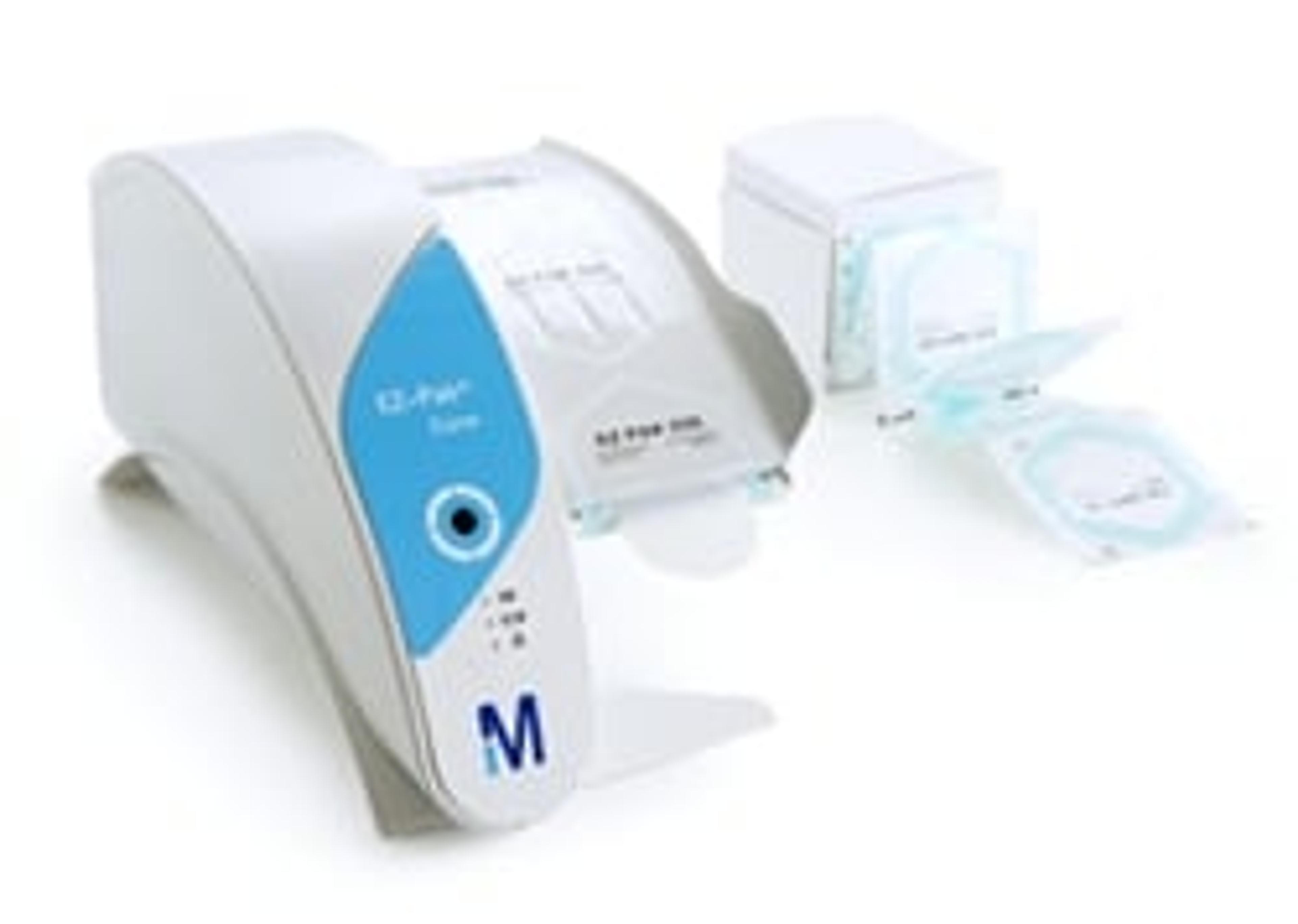
EZ-Pak® Dispenser Curve
Merck KGaA, Darmstadt, GermanyThe next generation membrane dispenser: fast, robust, no-touch dispensing.
Links
Tags
MicrobiologyMicrobiology is the study of microorganisms including protists, prokaryotes, fungi, and, often, viruses. Microorganisms are a useful research tool as genetic vectors and, in immunology, for antibiotic susceptibility testing, cellular biology and genetics. Microorganisms commonly grow readily in incubators with microbial culture media; this can contain chromogenic supplements to differentiate between cell lines. Estimate your culture’s density of microorganisms with colony counters, or screen and select colonies for desirable clones with automated colony pickers. Additionally, equipment is available to monitor environments for the presence of microbes and identify with microbial identification instruments. Find the best microbiology products in our peer-reviewed product directory: compare products, check customer reviews and receive pricing direct from manufacturers.FluorescenceThe emission of fluorescence occurs when a photon of energy is supplied to a fluorescent chemical compound by an external source, causing it to become excited. Fluorescence can be detected and measured for different purposes using microplate readers, fluorescence microscopes, fluorescence scanners, and flow cytometers.Food ContaminationFood contamination refers to the presence of harmful substances or pathogens in food, posing risks to human health. Contaminants can be biological, chemical, or physical, and their detection is crucial for ensuring food safety. Advanced testing methods like PCR, chromatography, and spectroscopy are used to identify contaminants in food products. Browse our peer-reviewed product directory to find the best solutions for food contamination detection, compare products, check reviews, and get pricing directly from manufacturers.Beverage AnalysisBeverage analysis involves testing and evaluating the composition, quality, and safety of drinks, from alcoholic beverages to soft drinks. Techniques like chromatography and spectroscopy are commonly used to analyze flavors, nutrients, contaminants, and additives. Browse our peer-reviewed product directory to find the best beverage analysis tools, compare products, check reviews, and get pricing directly from manufacturers.PittconPittcon is one of the largest conferences and exhibitions dedicated to laboratory science. It brings together professionals and innovators in analytical chemistry, physics, and biology, offering a platform to explore the latest scientific tools and technologies. From cutting-edge laboratory instruments to emerging research trends, Pittcon is a must-attend event for professionals in research and development.