ResourceSpectroscopy

Quantitative Imaging of Chemiluminescent Western Blots: Comparison of Digital Imaging and X-ray Film

30 Jun 2015

Chemiluminescent western blotting is the most frequently used method for detecting proteins. Recently there has been a trend towards chemifluorescence which provides the user with many advantages including shorter exposure times and also means the signal is stable for weeks. This application note will compare the performance of x-ray film with that of Syngene’s G:BOX Chemi IR6 imaging system for the visualisation and quantification of chemiluminescent and chemifluorescence signals on western blots.

G:BOX Chemi XRQ

Syngene

G:BOX Chemi XRQ is a cost-efficient chemiluminescence imaging and gel documentation system. For a laboratory that needs hassle-free chemiluminescent detection, as well as routine gel documentation, using the G:BOX Chemi XRQ’s powerful GeneSys software to switch between applications is simplicity itself.
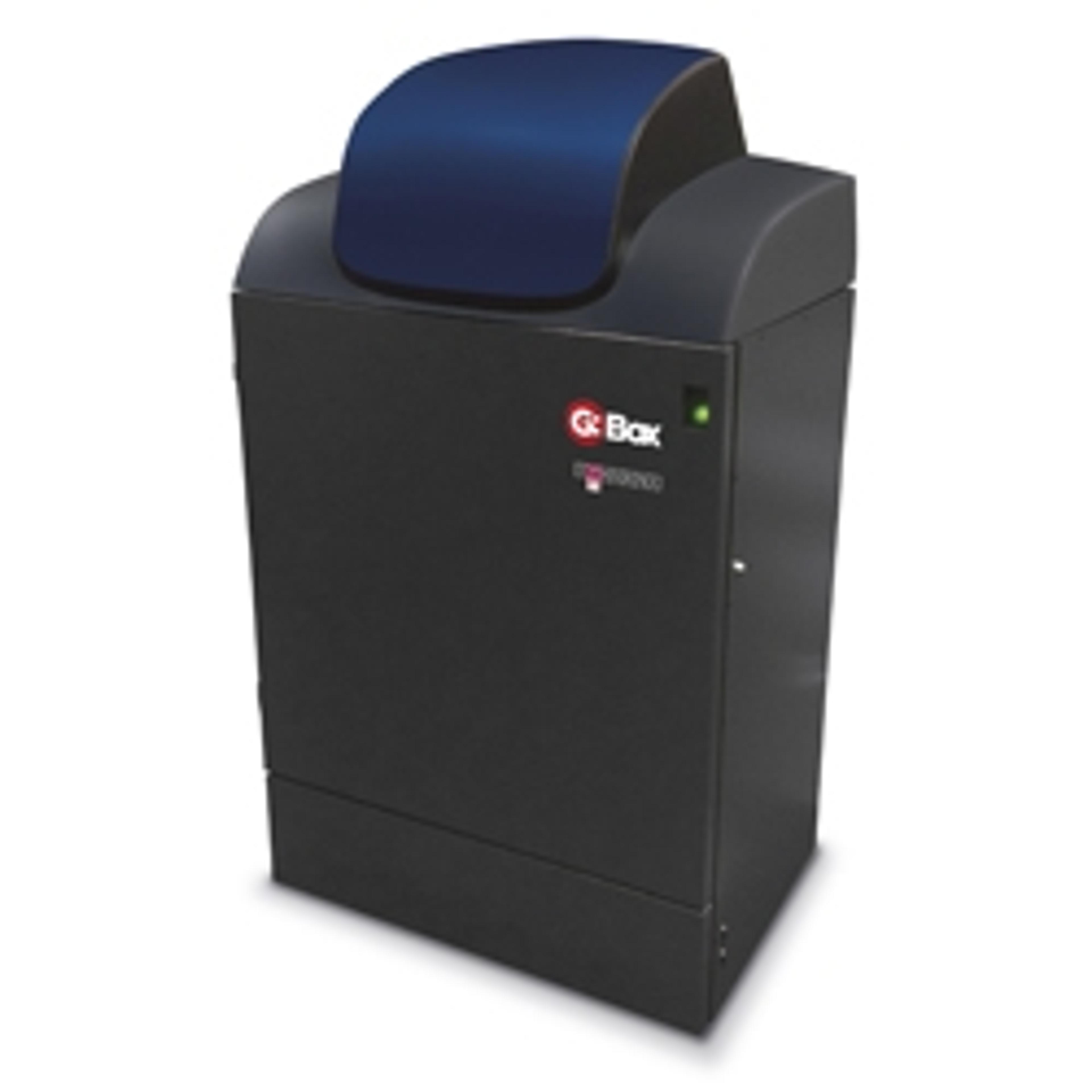
(3)

G:BOX Chemi XX6

Syngene

G:BOX Chemi XX6 gel imaging system has a high resolution camera for imaging multiple sample types and sizes, from fluorescence 1D to 2D gels to chemiluminescent blots. Your lab’s imaging system shouldn’t control how you detect proteins on Western blots. Chemiluminescence is great if you want sensitive detection of picogram or femtogram amounts, while fluorescence lets you quantify and detect multiple different proteins on one blot. 
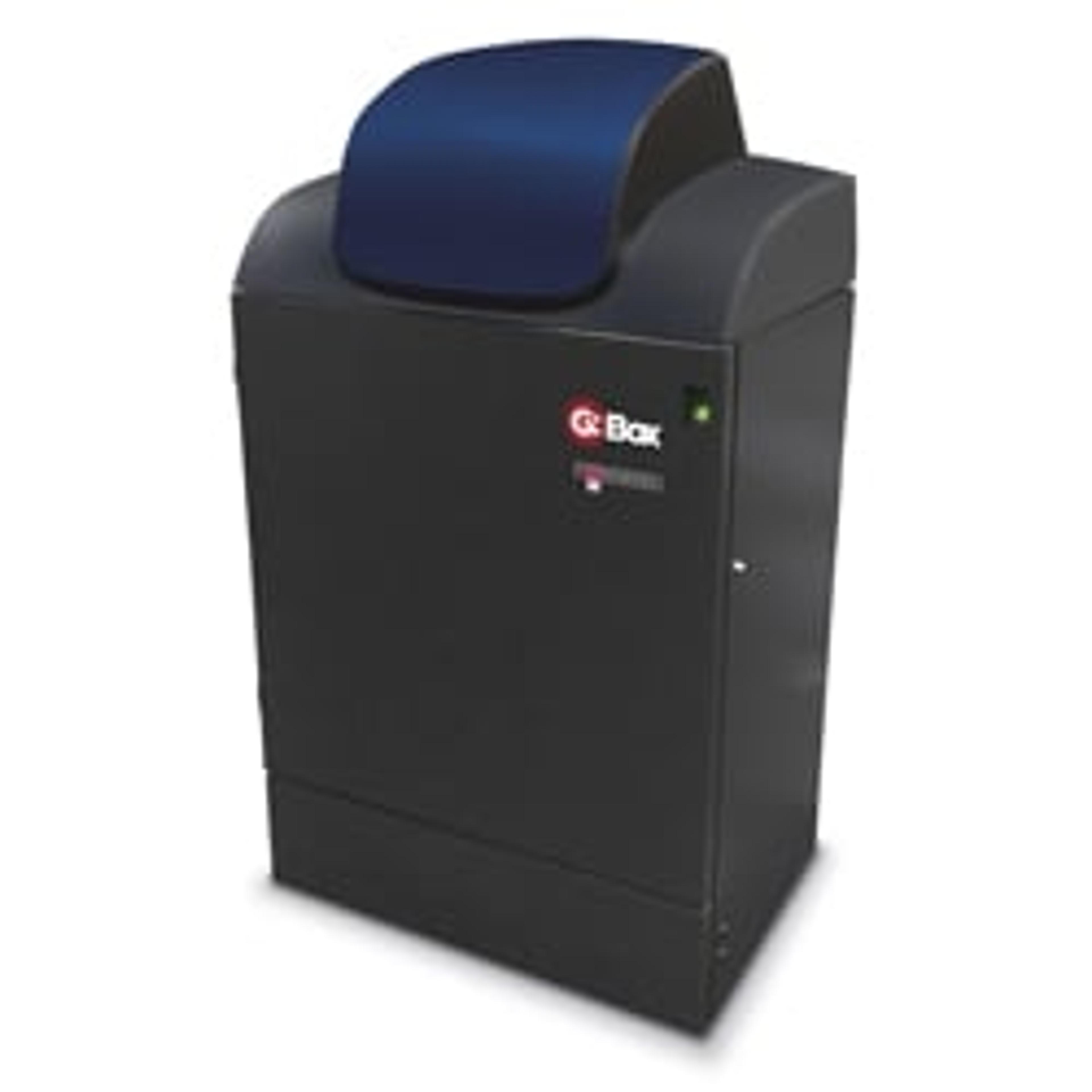
(0)

G:BOX Chemi XX9

Syngene

G:BOX Chemi XX9 gel imaging system has a high resolution camera for imaging multiple sample types and sizes, from fluorescence 1D to 2D gels to chemiluminescent blots. Your lab’s imaging system shouldn’t control how you detect proteins on Western blots. Chemiluminescence is great if you want sensitive detection of picogram or femtogram amounts, while fluorescence lets you quantify and detect multiple different proteins on one blot. 

(1)

Links

Tags

Infrared / IR SpectroscopyInfrared (IR) spectroscopy measures the interaction of infrared light with a sample, including transmission, reflectance & absorbance, facilitating the identification of analytes. Equipment used for quantitative analysis includes Fourier-transform infrared (FTIR) spectrometers, infrared cameras, FTIR gas analyzers, as well as attenuated total reflectance (ATR) accessories and pellet or film presses. Find the best IR spectroscopy products in our peer-reviewed product directory: compare products, check customer reviews and receive pricing direct from manufacturers.Gel Doc / Image AnalysisGel documentation (gel doc) or gel imaging systems are used for the analysis of proteins, antibodies and nucleic acid immobilized in polyacrylamide or agarose gels, membranes or microarrays. Explore a range of a gel imaging systems, densitometers, scanners, transilluminators or UV lamp + CCD cameras for your image analysis solutions. Colorimetric, fluorescent and/or radioisotopic samples can be visualized and documented for further analysis. See gel doc / Image analysis software for quantitative 1D and 2D analysis of your samples. Find the best gel doc / image analysis products in our peer-reviewed product directory: compare products, check customer reviews and receive pricing direct from manufacturers.Gel ImagingGel imaging captures high-resolution images of electrophoresis gels to analyze DNA, RNA, and proteins. Essential in molecular biology, this technique helps visualize results for accurate quantification and documentation. Discover top imaging systems and compare user-reviewed options in our directory.Protein BiologyThe analysis of protein expression, identity and function is vital for many areas of life science research and drug discovery. Some of the most commonly used techniques in protein analysis include Western blotting, electrophoresis and mass spectrometry.ImagingImaging techniques are essential for obtaining visual representations of samples to understand structures, processes, and function in biological, chemical, and physical research. These tools range from traditional light microscopy to advanced imaging modalities like MRI and electron microscopy, providing researchers with valuable data for diagnostics, drug discovery, and material analysis. Explore imaging solutions in our peer-reviewed product directory to compare products, check reviews, and get pricing directly from manufacturers.ChemiluminescenceSample ProcessingSample processing is required to prepare samples prior to analysis. Technologies used for sample processing include homogenizers, grinders, mills and mixers.Digital ImagingDigital imaging is a technique that captures images of biological and chemical samples in high resolution, often using advanced cameras and sensors. This technology is crucial in microscopy, diagnostics, and quality control. Explore digital imaging systems in our peer-reviewed product directory; compare products, check reviews, and get pricing directly from manufacturers.Infrared Imaging
Quantitative Imaging of Chemiluminescent Western Blots: Comparison of Digital Imaging and X-ray Film