
Quantitative Analysis of Cast Iron using ZSX PrimusIII+
12 Feb 2013There are various types of cast irons such as grey cast iron, ductile cast iron and Ni-resist cast iron. Specific property of each cast iron is controlled by the concentrations of alloying elements. Therefore, the rapid elemental analysis of the alloying elements including carbon and silicon for controlling composition of molten metal in furnaces is crucial for the quality control in the cast iron production. In this application note it is demonstrated that the X-ray fluorescence spectrometer ZSX PrimusIII+ can cover all necessary elemental analyses from carbon for various kinds of cast iron and casting sand.
Related products
Request Quote for All Products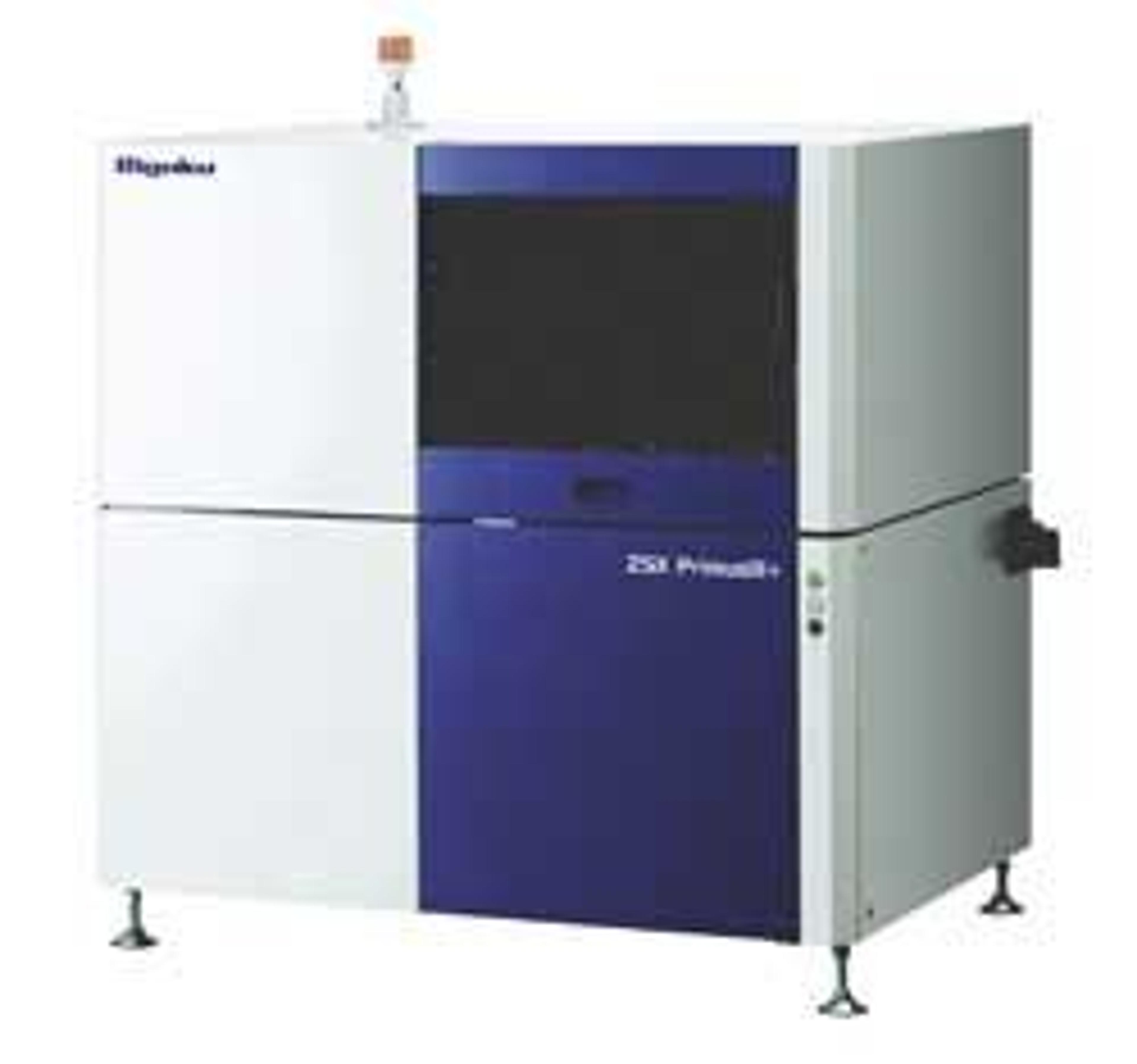
ZSX Primus III+
Rigaku CorporationRigaku ZSX Primus III+ delivers rapid quantitative determination of major and minor atomic elements, from oxygen (O) through uranium (U), in a wide variety of sample types — with minimal standards. ZSX Primus III+ features an innovative optics-above configuration. Never again worry about a contaminated beam path or down time due to sample chamber maintenance. The optics-above geometry eliminates cleaning worries and increases up time.The high precision positioning of the sample ensures that the distance between the sample surface and X-ray tube is kept constant. ZSX Primus III+ performs high-precision analysis using a unique optical configuration designed to minimize errors caused by non-flat surfaces in samples such as fused beads and pressed pellets.EZ-scan allows users to analyze unknown samples without any prior setup. This time saving feature requires only a few clicks of the mouse and a sample name to be entered. Combined with SQX fundamental parameters software, it provides the most accurate and rapid XRF results possible. SQX is capable of automatically correcting for all matrix effects, including line overlaps.ZSX Primus III+ Features: Analysis of elements from O to U Tube above optics minimizes contamination issues Small footprint uses less valuable lab space High precision sample positioning Special optics reduce errors caused by curved sample surfaces Software tools for statistical process control (SPC) Evacuation and vacuum leak rates can be optimized for throughput