
Quantitative analysis of 28 trace elements in human plasma and serum by triple quadrupole inductively coupled plasma mass spectrometry for clinical research
10 Nov 2023Analyzing trace elements in biological samples is crucial for clinical research, offering insights into cellular functions. Essential elements like zinc, copper, selenium, and others play vital roles in biochemical reactions. Increased exposure to toxic heavy metals poses health risks. This study reports an analytical method for quantifying 28 trace elements in human plasma and serum, utilizing the ClinMass Complete Kit and Thermo Scientific™ iCAP™ TQ ICP-MS.
Related products
Request Quote for All Products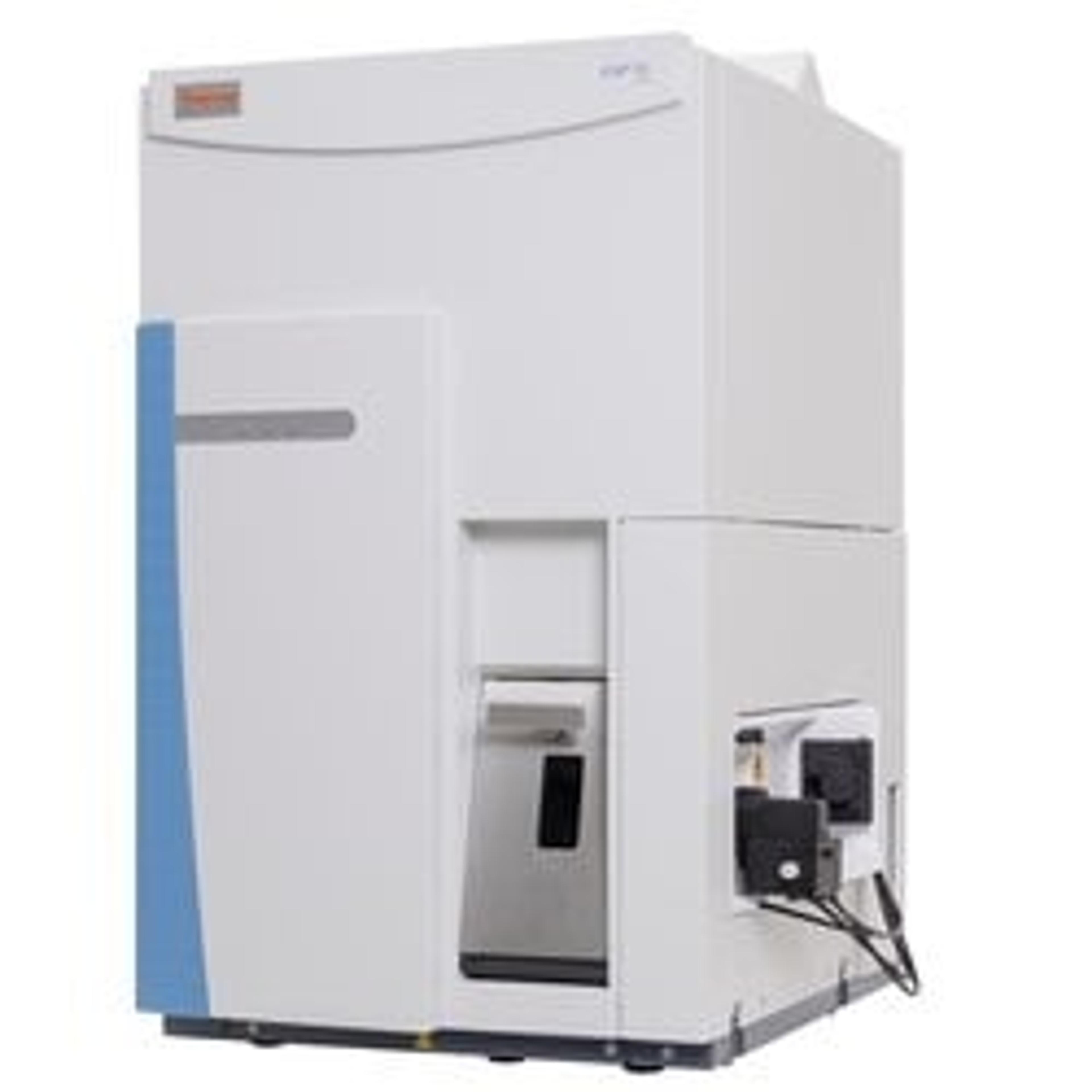
iCAP TQ ICP-MS
Thermo Fisher ScientificDelivering research level trace elemental analysis, combined with routine ease-of-use, the Thermo Scientific™ iCAP™ TQ ICP-MS is a high-performance, future-proof ICP-MS solution. Harness the power of Triple Quadropole (TQ) technology for uncomplicated analysis with incredible accuracy. Expand your applications and enhance your laboratory efficiency with breakthrough triple quadrupole technology that is so easy to use, any analyst can operate it.