
Quantitating pesticides in black tea with steady performance and maximized uptime by GC/MS/MS
29 Jul 2024Tea is one of the most commonly consumed non-alcoholic beverages globally, and assessing pesticide levels in tea is essential for ensuring safe consumption, as required by many multinational regulatory bodies. Agilent Technologies presents a complete GC/TQ workflow solution for the accurate and reliable analysis of 246 volatile and semivolatile pesticides in black tea, with the Agilent 7010D GC/TQ. Discover how this workflow solution allows for quantitation of pesticide residues with LOQs as low as 0.01 ppb, yet also demonstrates calibration accuracy over a dynamic range, spanning up to five orders of magnitude over 0.01 to 1,000 ppb in the complex black tea extract.
Related products
Request Quote for All Products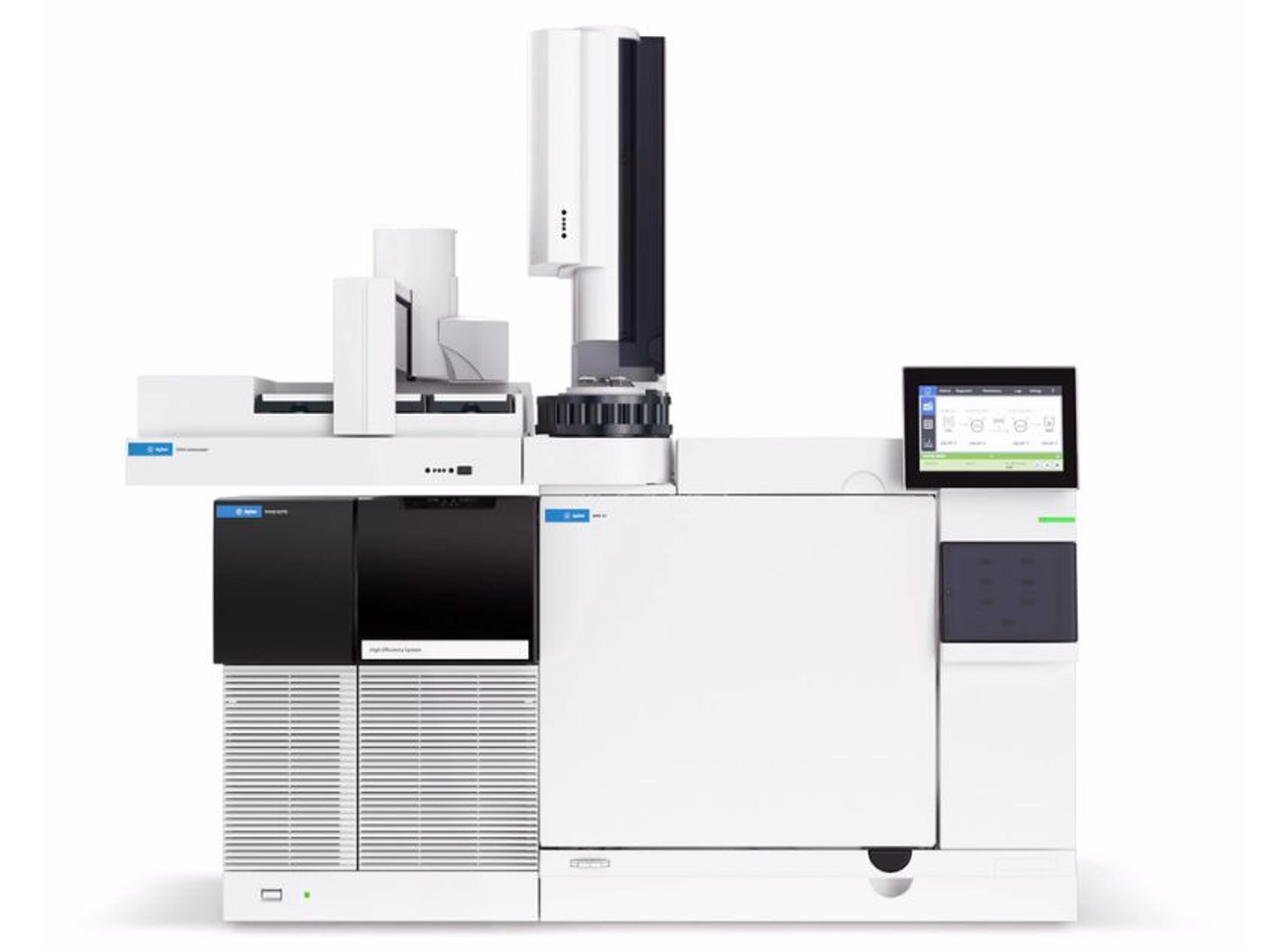

MassHunter Software
Agilent TechnologiesThe all new Agilent MassHunter Workstation software provides intuitive, yet powerful, instrument control, data acquisition, qualitative and quantitative data analysis, and reporting for Agilent time-of-flight (TOF), quadrupole time-of-flight (Q-TOF), ICP-MS, and triple quadrupole systems.
Agilent 8890 GC System
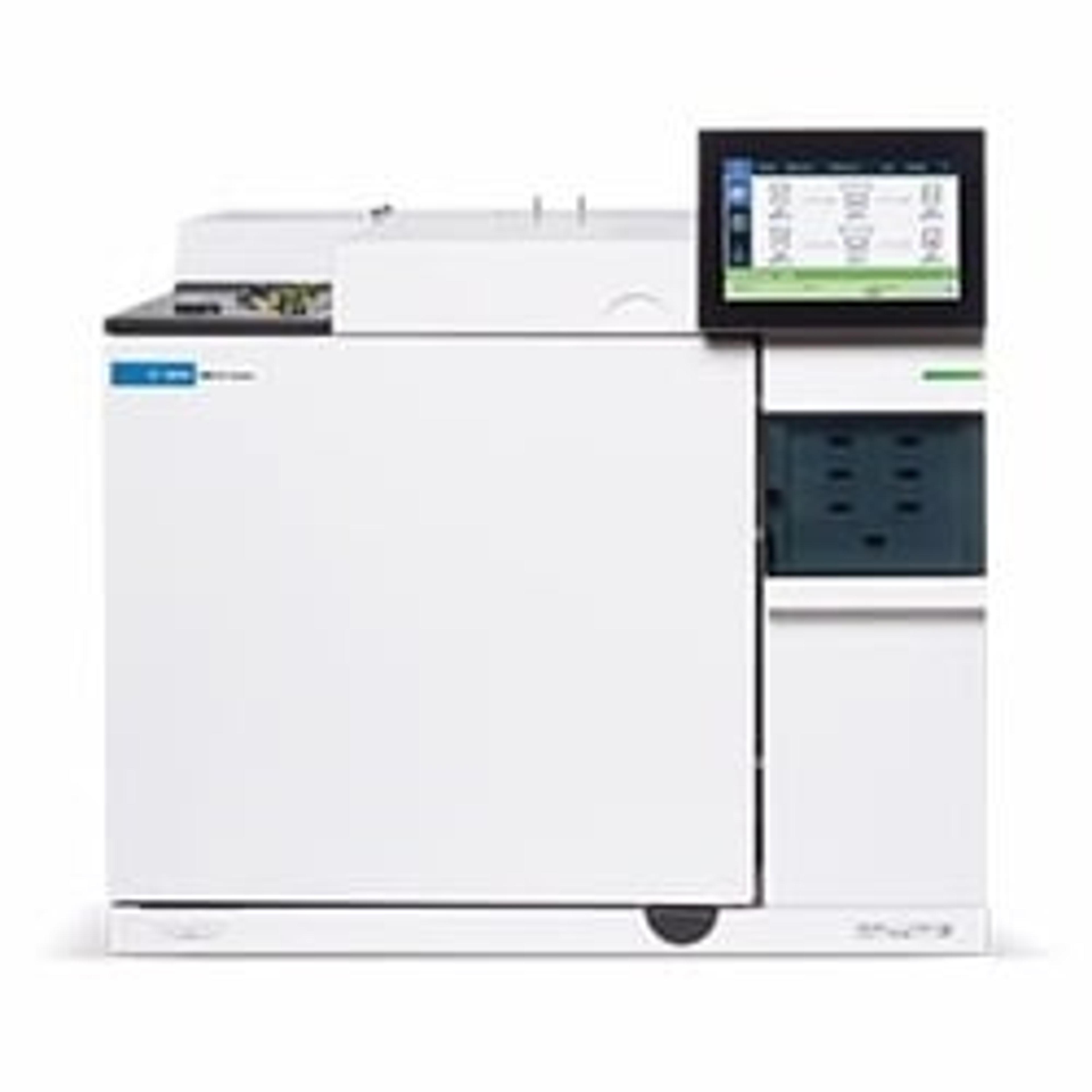
Agilent TechnologiesThe 8890 Gas Chromatograph system meets specific analysis demands with speed, accuracy, and reliability. Built-in intelligence, 6th-generation electronic pneumatic control (EPC), and a unique browser interface that lets you monitor your system from home, office, or remote location increase productivity and uptime.