Prediction of Uptake Rates for Diffusive Tubes

28 Jul 2015

This Application Note describes the theory and practice of predicting the uptake rate for a particular analyte–sorbent combination when using diffusive (passive) samplers. This can help analysts to overcome the limitation of having to experimentally determine uptake rates for every analyte–sorbent combination of interest.

Sorbent sampling tubes

Markes International Ltd

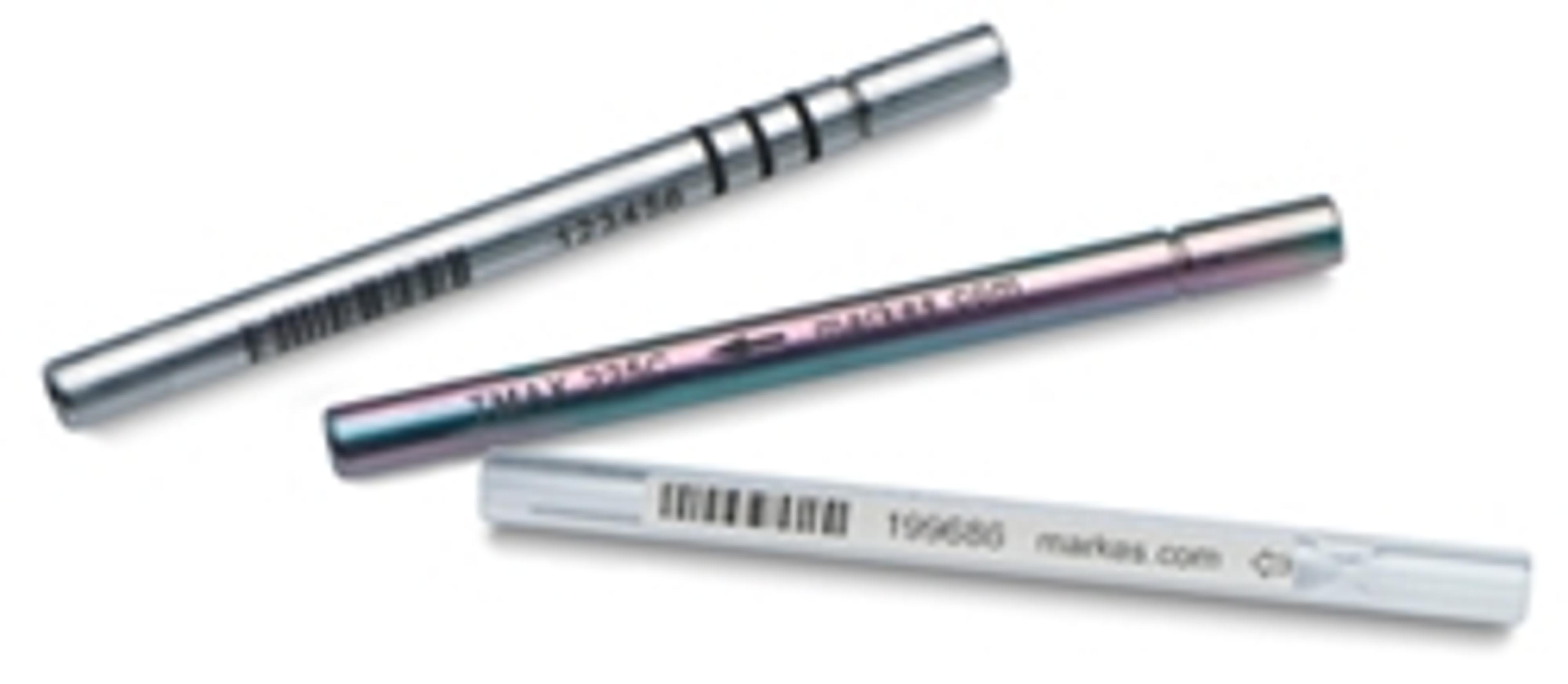
Thermal desorption sorbent sampling tubes for air sampling. Backed up by fast and friendly service, Markes’ tubes provide optimum sampling and analytical performance. Our range includes everything from cost-effective packages of industry-standard tubes to the last word in sorbent tube innovation. Features: Our industry-standard (3½-inch (89 mm) long x ¼-inch (6.4 mm) o.d.) sorbent tubes are available in stainless steel, inert-coated stainless steel and glass. Compatible with thermal desorption instruments manufactured by Markes International, PerkinElmer and Shimadzu. All tubes are permanently labelled with a unique serial number, barcode and sampling flow arrow, so that they are easy to use and track. Further labelling options for tube tracking – includes laser-etching, banding and RFID-tagging (TubeTAG™). Diffusion-locking SafeLok™ options for additional peace of mind. Stringent quality control – our tubes are packed to a tolerance of ±2.5% or better. Application-specific sorbent tubes – optimally packed for applications ranging from air toxics to material emssions testing. Our sorbent tubes can also be ordered conditioned and capped, so that they’re ready for use on arrival. All our sorbent tubes can be supplied: empty for you to pack yourself (or for direct desorption); pre-packed with one sorbent bed for diffusive (passive) monitoring applications; or pre-packed with up to three sorbent beds for pumped (active) monitoring applications. We also supply 4½-inch DAAMS tubes (regular and high-flow, in any of the above materials) – contact us for details.

(0)

Links

Tags

Gas Generators and AnalyzersGas generators are used for supplying or monitoring a regular flow of a high purity gas such as nitrogen, hydrogen or zero air for applications such as gas chromatography. Gas analyzers can be used in supply chain processes and laboratory experiments with portable analyzers for monitoring CO<sub>2</sub> and O<sub>2</sub> levels as well as trace gases. Regular flow can be produced with gas control modules and flow meters. Find the best gas generators and analyzers in our peer-reviewed product directory: compare products, check customer reviews and receive pricing direct from manufacturers.Environmental Monitoring and TestingEnvironmental monitoring and testing uses handheld portable analyzers, kits, spectrometers or chromatography systems for air, water, soil, food and other sample testing. Useful features of analyzers such as BOD and COD include portability, easy calibration, automation and sensitivity.  Environmental test kits for pH, water, moisture, etc, should be accurate, sensitive, reliable, fast and easy to use.Safety EquipmentLaboratory safety equipment is essential to the effective operation of all laboratories and is required to minimize the risk of harm during experiments. Safety equipment includes radiation safety, radioactive / hazardous waste disposal, alarms and personal safety.Air SamplingAir sampling is described as the technique used to capture air for the subsequent purpose of analyzing, typically by thermal desorption, the presence of trace particulates, such as volatile organic compounds (VOCs).Laboratory SafetyLaboratory safety is essential to the effective operation of all laboratories and is required to minimize the risk of harm during experiments. Guidelines, regulations, and equipment should be available in all laboratories to ensure that the working environment is safe and secure.Environmental AnalysisEnvironmental analysis describes a variety of tests that determine the effect of chemicals, processes and particulates such as persistent organic pollutants (POPs) have on the environment.SorbentsAxial Diffusion