ResourceSeparations

Precipitation of Proteins and Lipid Extraction From Homogenized Rat Skin Tissue

31 Oct 2018

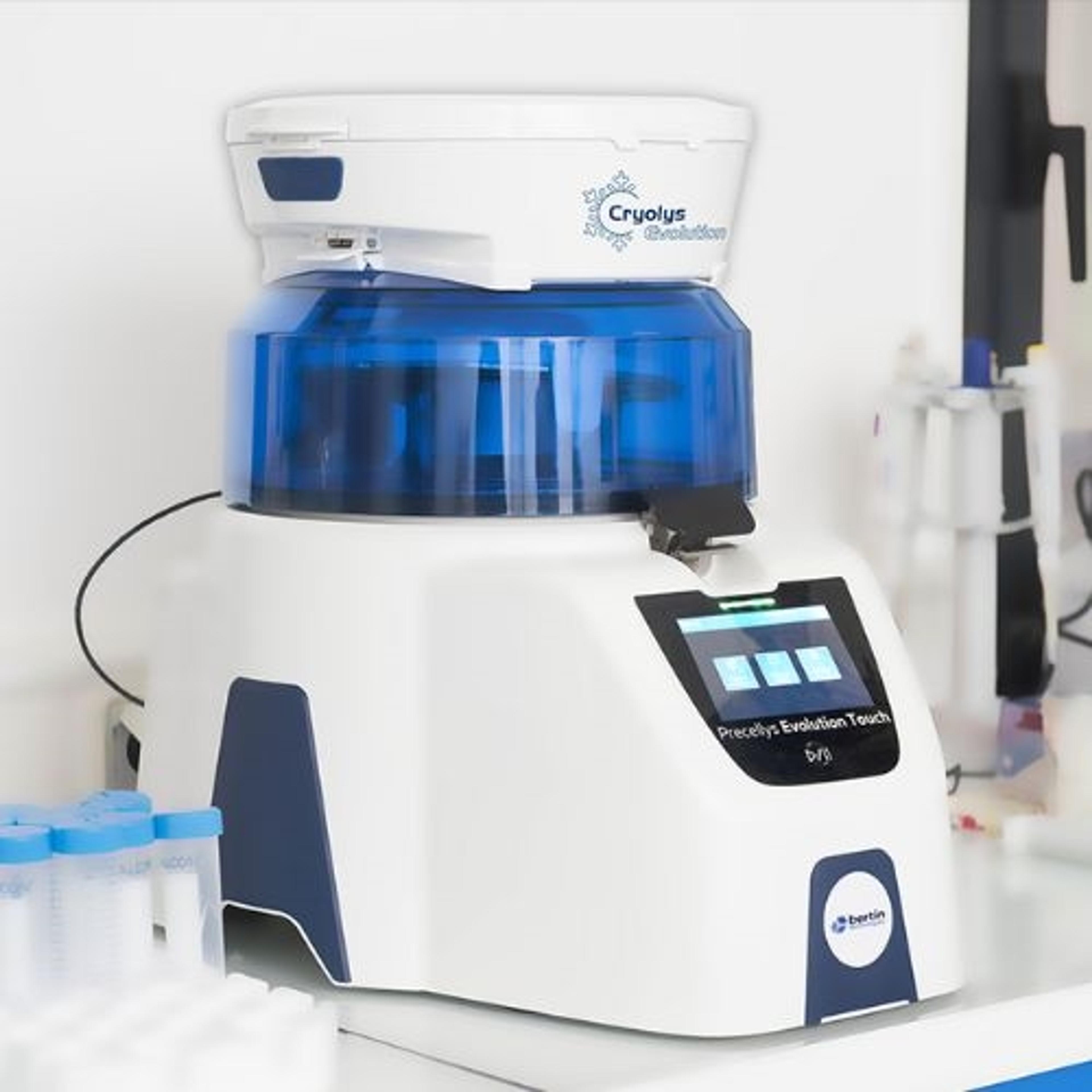
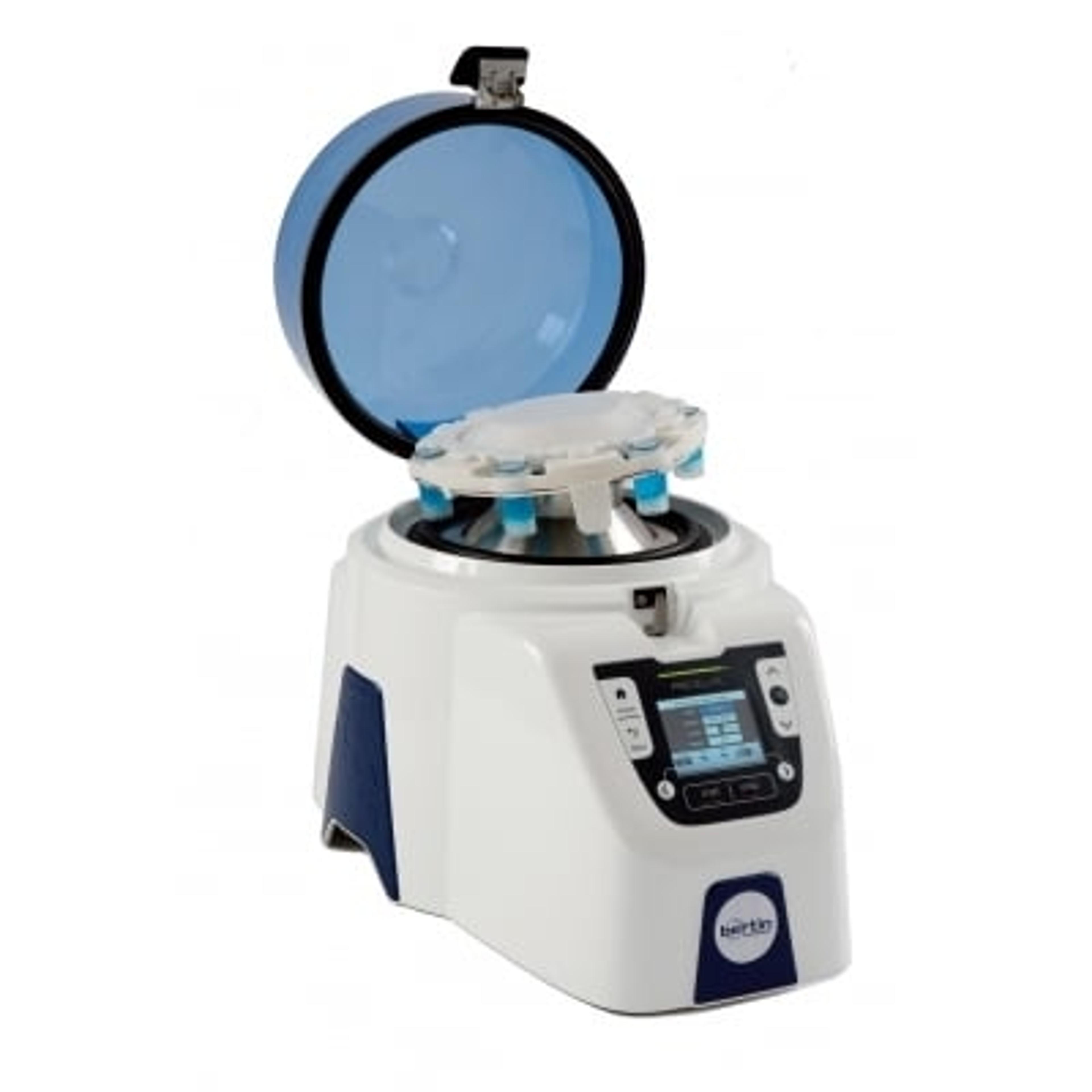
In this study, protein precipitation and bioactive lipid extraction from rat skin tissues is reported. The combination Solid Phase Extraction and liquid chromatography-tandem mass spectrometry (LCMS/MS) approach was used to measure concentrations of lipid mediators in these tissues. Rat skin tissues were homogenized using CKMix50_7mL Precellys® Lysing Kit and Precellys® Evolution tissue homogenizer combined with Cryolys® cooling unit. In addition, temperatures of homogenates were measured to investigate if temperature of complete homogenate of rat skin tissues remained below 40°C.

Links

Tags

LC-MSLC-MS (liquid chromatography-mass spectrometry) systems and equipment are used for separation and quantitative analysis of complex mixtures, combining liquid chromatography and mass spectrometry. Quantify proteins, contaminants, pesticides or screen for drug metabolites with a high level of sensitivity. LC-MS systems and equipment include reverse phase, normal phase and specialized columns integrated with various MS detectors such as time-of-flight (TOF), quadrupole, orbitrap or ion trap mass analyzers. LC-MS/MS instruments equipped with a qTOF or triple quadrupole analyzer give greater sensitivity and resolving power to your analysis. Find the best LC-MS equipment in our peer-reviewed product directory: compare products, check customer reviews and receive pricing direct from manufacturers.Mass SpectrometryMass spectrometry (MS) is a powerful analytical technique used to identify and quantify molecules based on the mass-to-charge ratio of gas-phase ions. It provides detailed information about the structure, composition, and properties of compounds and is widely used across fields such as environmental monitoring, materials science, drug discovery and development, food and beverage testing, and wider chemical research. Key MS techniques include tandem mass spectrometry (MS/MS), liquid chromatography–mass spectrometry (LS-MS) and inductively coupled plasma (ICP-MS). Choosing from these wide range of techniques and technologies can be a daunting task, so keep up to date with scientific applications, performance expectations, and customer reviews here all in one place. Visit our product directory to receive quotes direct from the manufacturer. Homogenizers and BlendersHomogenizers and blenders are used to homogenize various types of material, including tissue, cells, plants, food, soil, biological and chemical samples for subsequent analysis. Lab equipment for sample homogenization includes handheld and benchtop homogenizers, bead mill, ultrasonic and multiple sample homogenizers, high shear homogenizers and blenders. Homogenizer bead and probe multipacks are available to avoid cross contamination of samples, as well as cooling systems for homogenizing temperature-sensitive samples. Homogenizers are often used in the first step of extraction of DNA, RNA and proteins from tissue and cell samples. Find the best homogenizers and blenders in our peer-reviewed product directory: compare products, check customer reviews and receive pricing direct from manufacturers.Tissue ProcessingTissue processing involves preparing biological tissue samples for microscopic analysis, including fixation, embedding, and sectioning. This process is essential for histopathology and diagnostic applications. Explore tissue processing products in our peer-reviewed product directory; compare products, check reviews, and get pricing directly from manufacturers.Sample HomogenizerLipidsLipids are a diverse group of organic compounds that are insoluble in water, including fats, oils, and hormones. They are critical for cellular structure and energy storage. Explore lipid analysis tools in our peer-reviewed product directory; compare products, check reviews, and get pricing directly from manufacturers.Protein BiologyThe analysis of protein expression, identity and function is vital for many areas of life science research and drug discovery. Some of the most commonly used techniques in protein analysis include Western blotting, electrophoresis and mass spectrometry.
Precipitation of Proteins and Lipid Extraction From Homogenized Rat Skin Tissue