Pharmacopoeial Requirements - How to Change a Regulated Method

31 Mar 2014

Over the last two centuries massive progress has been made around the globe to make drugs safe for consumers, both on a national as well as on an international level, thus assuring the potency of commercially available drug products. Depending where (in which country or region) a finalized drug product will be used it must meet the specified regulations and thus many pharmaceutical companies work from several pharmacopoeias. One of the more important improvements is the requirement for impurity profiling or in other words the analysis of related substances (RS) monographs. Assay and potency methods as well as identification of impurities are carried out with various analytical techniques. HPLC has especially been widely exploited for impurity profiling methods.

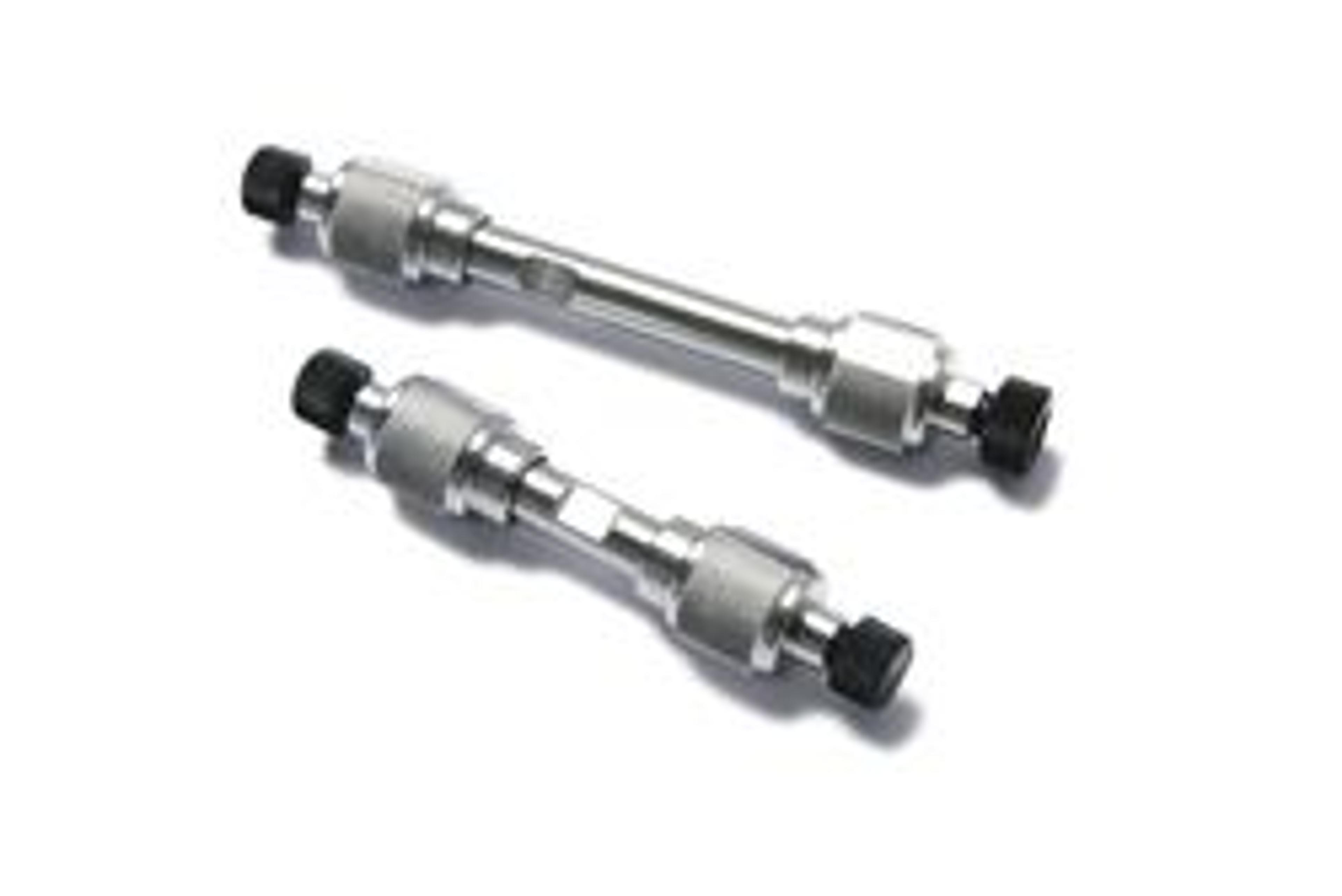
Purospher® STAR HPLC and UHPLC columns

Merck KGaA, Darmstadt, Germany

The base silica of Purospher® STAR columns is 99.999 % pure. Furthermore, meticulous care is given to quality control over all aspects of silica structure and chemistry. The excellent converge of the surface and the purity of the material ensures excellent peak symmetry for acidic, basic and even for chelating compounds. Accurate results with excellent peak shape for all types of analytes Outstanding resolution due to high separation efficiency Proven reliability and reproducibility from run to run and batch to batch Universal compatibility with best all-round performance according to Tanaka Maximum flexibility in method development and choice of mobile phase pH stability from pH 1.5 – 10.5 Suitable for up to 100 % aqueous mobile phases Highest sensitivity and suitability for LC-MS applications
(3)

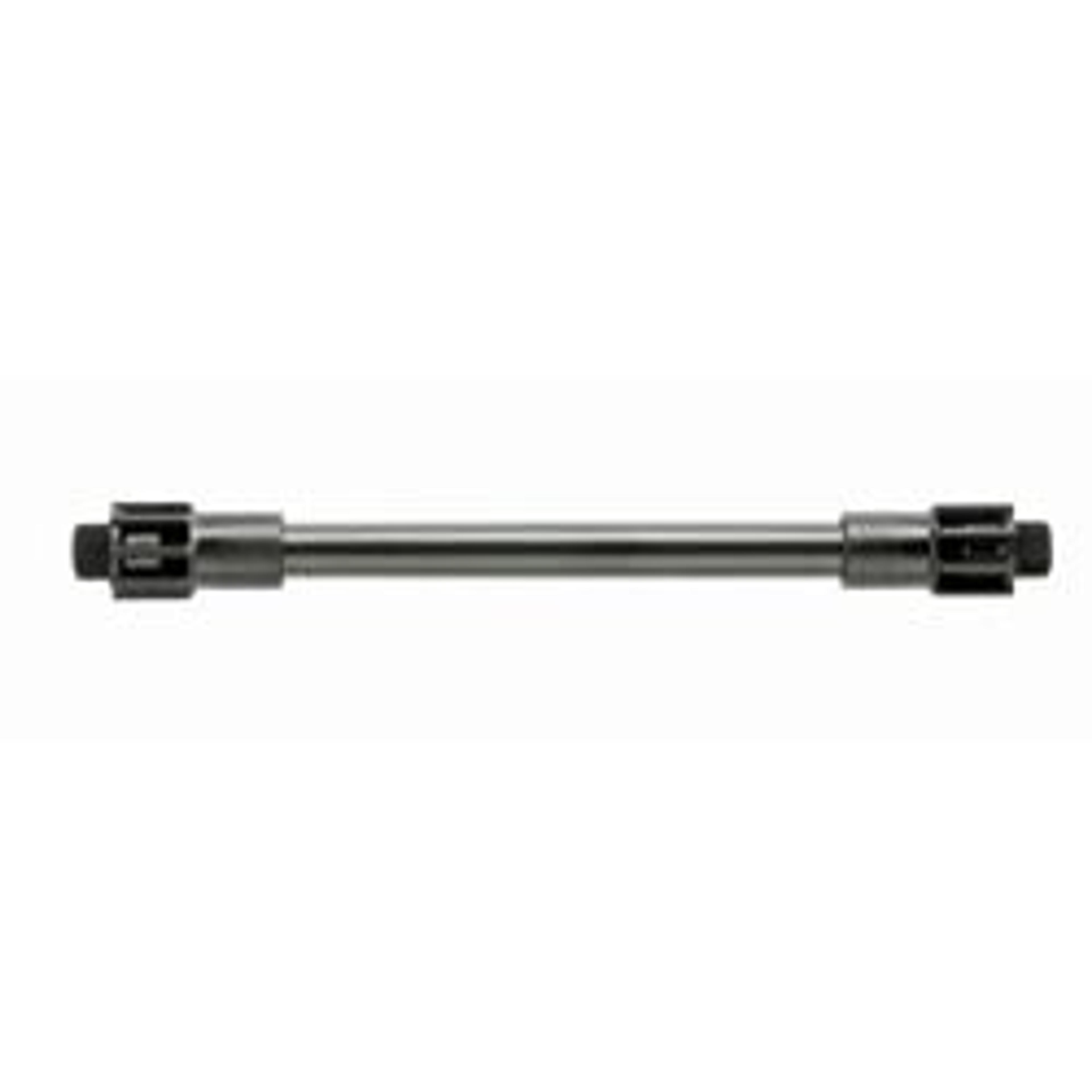
Chromolith® High Resolution HPLC Columns

Merck KGaA, Darmstadt, Germany

Chromolith® HighResolution: High resolution separations without ultra high pressure. The revolutionary monolithic Chromolith® HighResolution columns are made from a single rod of high-purity monolithic silica, rather than from particles. Their unique bimodal pore structure allows the chromatographic performance to be improved significantly. Speed of analysis (separations up to 9 times faster if required) Separations two times faster at half the column back-pressure compared to μm columns Higher sample throughput Improved HPLC system security Significantly increased column lifetime Reduced maintenance on HPLC pump and injector seals Reduced need for sample preparation as columns are very resistant to blocking (even with biological samples) Column length no longer pressure limited Very high separation efficiency by column coupling

(14)

Links

Tags

UHPLC and HPLCHigh performance liquid chromatography (HPLC) and ultra high performance liquid chromatography (UHPLC), also known as UPLC, are analytical techniques used to separate, identify and quantitate components of complex mixtures including biological samples such as proteins and lipids as well as chemical mixtures of pesticides, drugs and oils. Both techniques are liquid chromatographic methods but differ by operating pressures (HPLC < 6000 psi < UHPLC ). Components of HPLC and UHPLC systems include columns, detectors, pumps, autosamplers and column heaters. Explore a range of UHPLC and HPLC columns for your specific sample needs including reverse phase, normal phase, ion exchange, HILIC, ion exclusion and size exclusion columns. For more specialized HPLC, explore FPLC, countercurrent LC and simulated moving bed systems. Find the best UHPLC and HPLC equipment in our peer reviewed product directory: compare products, check customer reviews and receive pricing direct from manufacturers.Compound AnalysisCompound analysis is used to discover specific compounds that could be promising candidates for pharmaceutical use. This potential is identified when compounds have the desired effect, such as interaction with a target protein, during high throughput screening.RegulatoryPharmaceutical regulations impact on all areas of drug development, manufacture and control and supply. Services are provided from the early stages of drug development and clinical trials through to dossier submission, approval and marketing. Regulatory also includes submission of analytical studies from the pharmaceutical product and safety. HPLC Method DevelopmentIt is important to develop and validate HPLC methods in order to identify, quantify or purify compounds of interest in the most efficient way. Effective method development ensures optimization, quality control and cost effectiveness.ChromatographyChromatography is a powerful technique used to separate and analyze components of mixtures based on their chemical properties. It is widely used in fields like biochemistry, pharmaceuticals, and environmental analysis. By exploiting differences in the interaction of substances with a stationary phase and a mobile phase, chromatography enables precise purification and quantification of compounds. Whether you're working with complex biological samples or industrial chemicals, chromatography is essential for obtaining high-quality results. Browse our peer-reviewed product directory to find the best chromatography systems, compare products, read customer reviews, and get pricing directly from manufacturers.Compound ScreeningCompound screening is a method used to discover specific compounds that could be promising candidates for pharmaceutical use. This potential is identified when compounds interact with the target protein during screening and could therefore be carried forward in the drug development process.