Performing Chromatin Immunoprecipitation with Minimal Hands on Time Using the ChIPettor

22 Dec 2014

This application note presents a comprehensive analysis pipeline for analyses of ChIP-seq data. A case study is then described in which stringent analysis methods for validating a novel semi-automated ChIP method is applied. An elegant and viable alternative to more costly automation systems is provided.

ChIPettor™ System

Diagenode

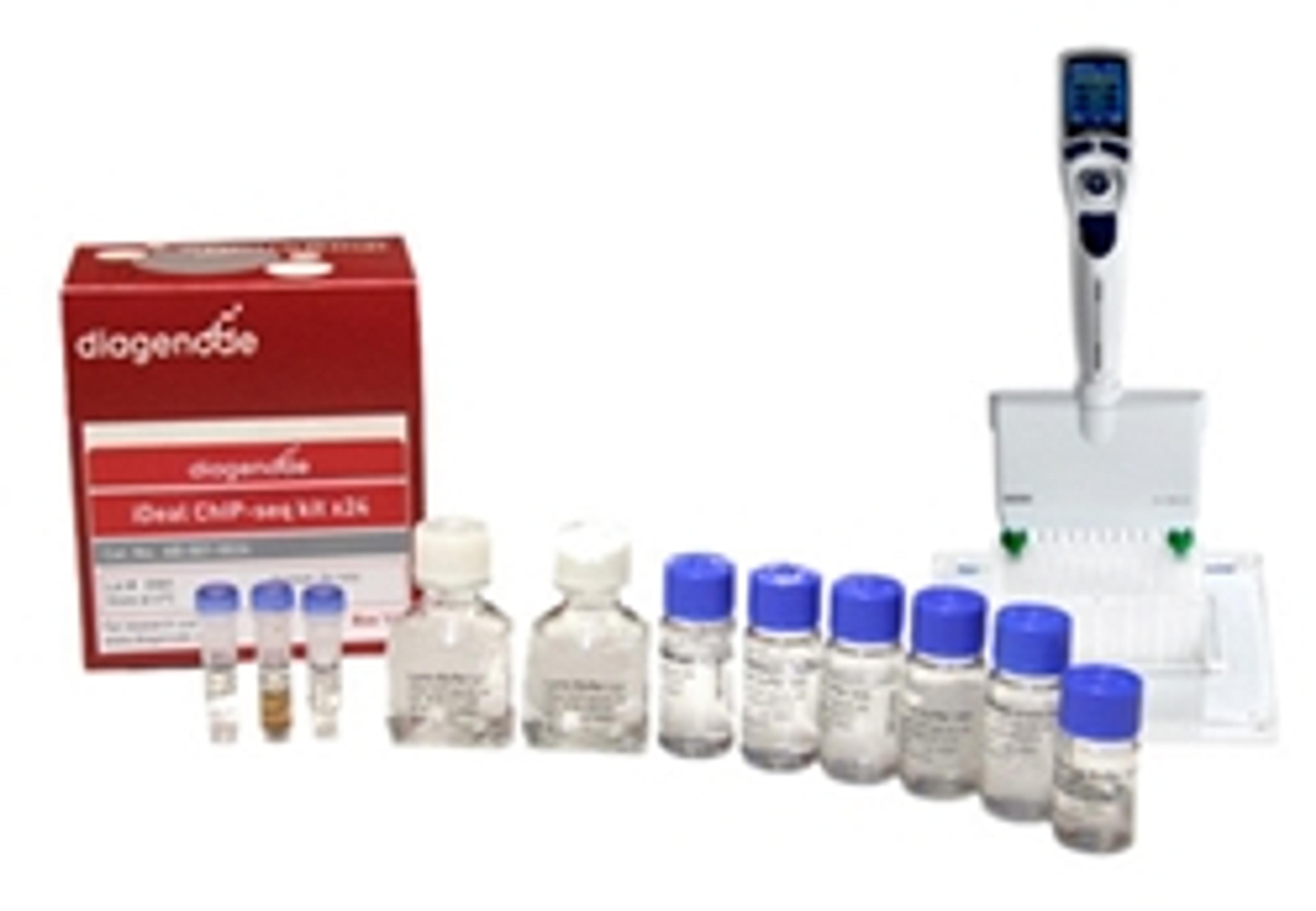
The ChIPettor™ System has everything you need for high-quality, fast, and easy chromatin immunoprecipitation for either histones or transcription factor ChIP. Contains a full set of reagents for start-to-finish ChIP starting with 100,000 to 1,000,000 cells (ideal for histone pull down), purification reagents, and a semi-automated pipettor with special resin pipet tips. The ChIPettor™ is designed to stand independently on a 96-deepwell plate while it automatically dispenses, pipets, and mixes reagents using a pre-programmed, optimized ChIP protocol. Just sit back and relax while the ChIPettor™ System delivers high yields of purified immunoprecipitated DNA with the highest degree of reproducibility.Features & Benefits: No hassle ChIP with pipette and high quality reagents Less than 60 minutes of hands-on time to complete up to 12 reactions Reproducible results each and every time Fully affordable – no capital equipment required Completely validated reagents and protocol Applications: ChIP

(0)

Links

Tags

Genome AnalysisGenomics, the study of genomes, includes functional genomics, evolutionary genomics and comparative genomics. There are many genomic technologies such as DNA sequencing of whole genomes, computational biology and bioinformatics. DNA and nucleic acids must be isolated and concentrated from cells for analysis with kits, automated analyzers and software. Other useful technologies for studying genomics include PCR, microarrays and electrophoresis.Protein PurificationProtein purification is a vital step in drug discovery, therapeutics, biotech and life science research. The purification process typically involves subcellular or membrane protein extraction with cell lysis kits, separation of proteins from cell debris by filtration or spin columns, and the isolation of proteins of interest from other proteins and impurities with affinity purification (including fusion protein tags and antibody binding proteins A, G and L), immunoprecipitation or chromatographic methods, such as ion exchange, size exclusion and immobilized metal affinity chromatography. All purification methods come in multiple formats for your laboratory needs, including agarose or magnetic beads, resins, columns and filter plates. Find the best protein purification equipment in our peer-reviewed product directory: compare products, check customer reviews and receive pricing direct from manufacturers.Next Generation SequencingNext-generation sequencing (NGS), also known as whole-genome sequencing, high-throughput sequencing and massive parallel sequencing, produces and analyses thousands to millions of nucleotide sequences at once. Sequencing systems operate via varying technologies depending on the manufacturer, including sequencing by synthesis, ligation, pyrosequencing, ion semiconductor and single-molecule real-time sequencing. For NGS, library preparation is paramount to successful sequencing. In this section, explore a range of library preparation kits, from targeted, amplicon-based or hybridization-based kits including epigenomic, transcriptomic and genomic workflows to fragmentation kits. Find the best next-generation sequencing products in our peer-reviewed product directory: compare products, check customer reviews and receive pricing direct from manufacturers.ChIP-Sequencing