PCR/microplate sealing and peeling for high-throughput labs

19 May 2020

PCR plates and microplates usually require a seal to prevent evaporation, which otherwise may alter sample concentrations and impair repeatability. However, as microplate throughput increases, so does the risk of associated hazards and constraints.

In this application eBook, we explore the key benefits of automating PCR, assay and compound storage plate sealing and peeling for medium to high-throughput laboratories, from reducing cross-contamination and reagent costs, to freeing up scientist time and mitigating risk of repetitive strain injury. Plus, read how automating these routine processes can transform emerging biotechnology companies in our scientist case study.

Learn about the impact of automation for medium- and high-throughput laboratories:

  • The hazards and constraints of manual sealing and peeling
  • Overcoming these hazards using automated sealing and peeling instrumentation
  • Integrating automated plate sealing and peeling technology into your workflow
  • Case study: Transforming emerging biotechnology laboratories

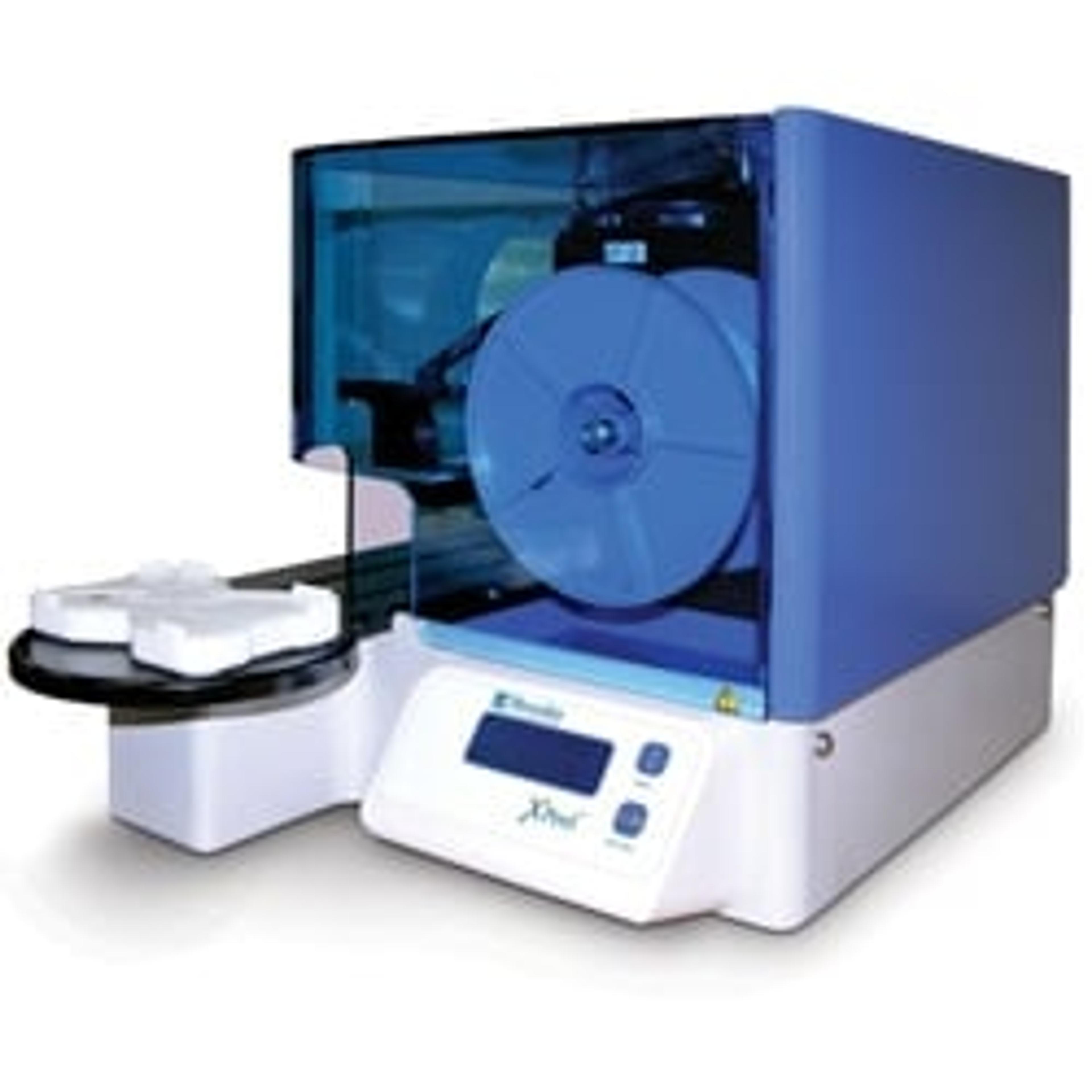
XPeel® Automated Plate Seal Removal

Brooks Life Sciences

The XPeel ® automatically removes seals from a wide range of microplate types with the single touch of a button eliminating the need for repetitive, manual plate seal removal. The robust and elegantly-simple automated system allows for the adoption of the gold-standard operating model (sealed plates, no lids).

(3)

Links

Tags

MicroplatesMicroplates are multi-well plates used to increase the throughput of biological investigations. The number of wells microplates contain can range from 6 to 3243 wells, with the 96-well format being the most commonly used. Microplates can come tailored for a range of applications including cell culture, PCR, filtration, storage, non-binding surface, protein crystallization, as well as pre-coated, deep well and normal Standard microplates. Additionally, options for microplate colors include clear , black, white or black with clear bottom and white with clear bottom for absorbance microplate reader applications. Find the best microplates for your lab in our peer-reviewed product directory: compare products, check customer reviews and receive pricing direct from manufacturers.PCR and Thermal CyclingPolymerase chain reaction (PCR) kits and thermal cyclers are used for the in vitro amplification of DNA permitting subsequent analysis and experimental procedures. Explore a range of high-quality polymerase, primers and nucleotides or simplify your workflow with a PCR mastermix. Find reverse transcription PCR (RT-PCR) and cDNA synthesis kits for RNA products and libraries. Quantitatively measure the amplification of DNA with real-time PCR (qPCR) and droplet digital PCR (ddPCR) kits and systems, and discover automated PCR setup solutions to increase throughput. Alternative DNA amplification methods also include recombinase polymerase amplification (RPA) kits. Find the best PCR kits and thermal cyclers and purification equipment in our peer-reviewed product directory: compare products, check customer reviews and receive pricing direct from manufacturers.Cell-Based AssaysCell-based assays are used to monitor the presence, quantity and activities of a desired cellular analyte including drug molecules or biomarkers. This can reveal information on cell health (apoptosis, cytotoxicity, viability and proliferation assays), cell metabolism, cell migration and cell signaling mechanisms. Find the best cell-based assay products, kits and equipment with our peer reviewed product directory: compare products, check customer reviews and receiving pricing direct from manufacturers.