Patient-derived organoid (PDO) gastrointestinal biobank

8 Aug 2021

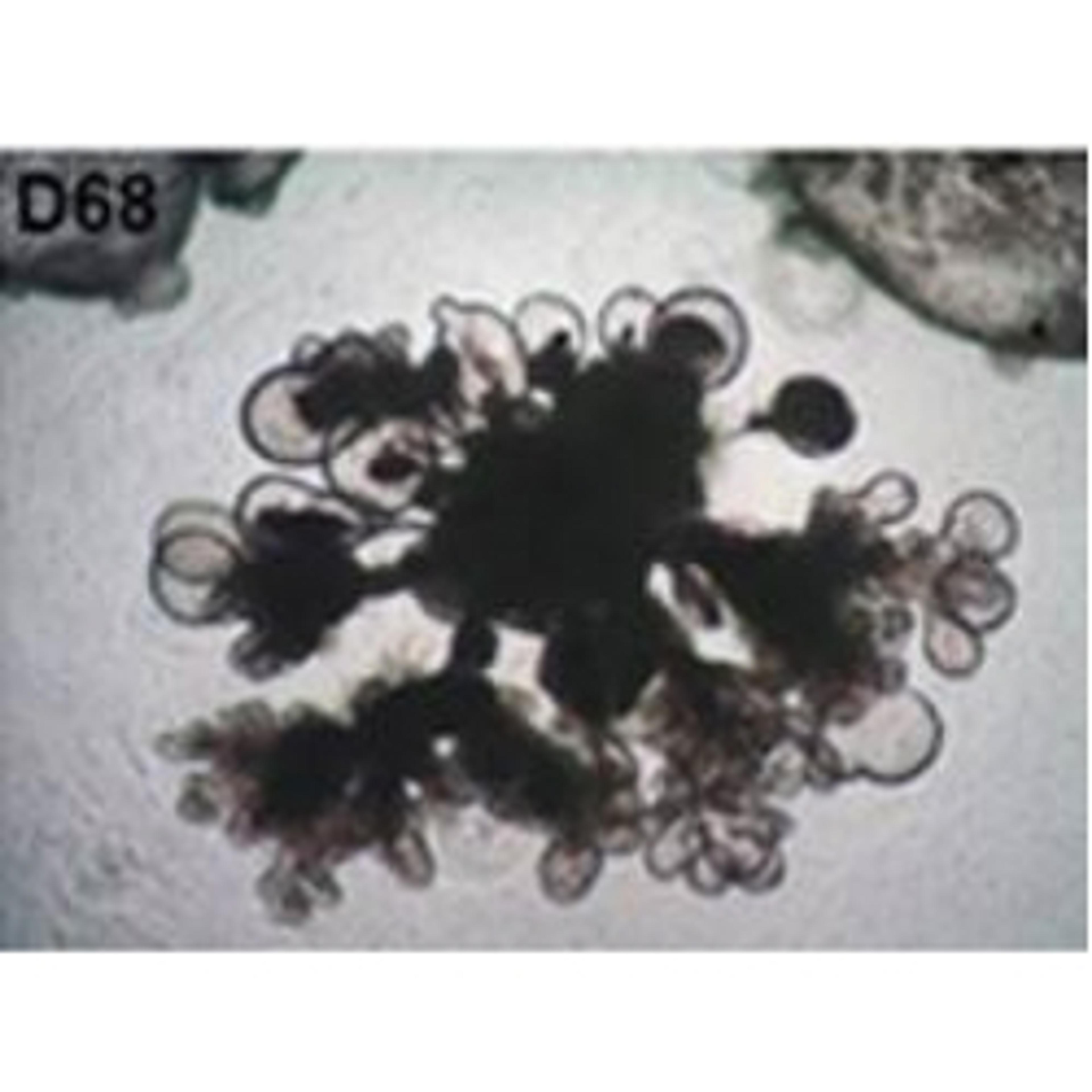
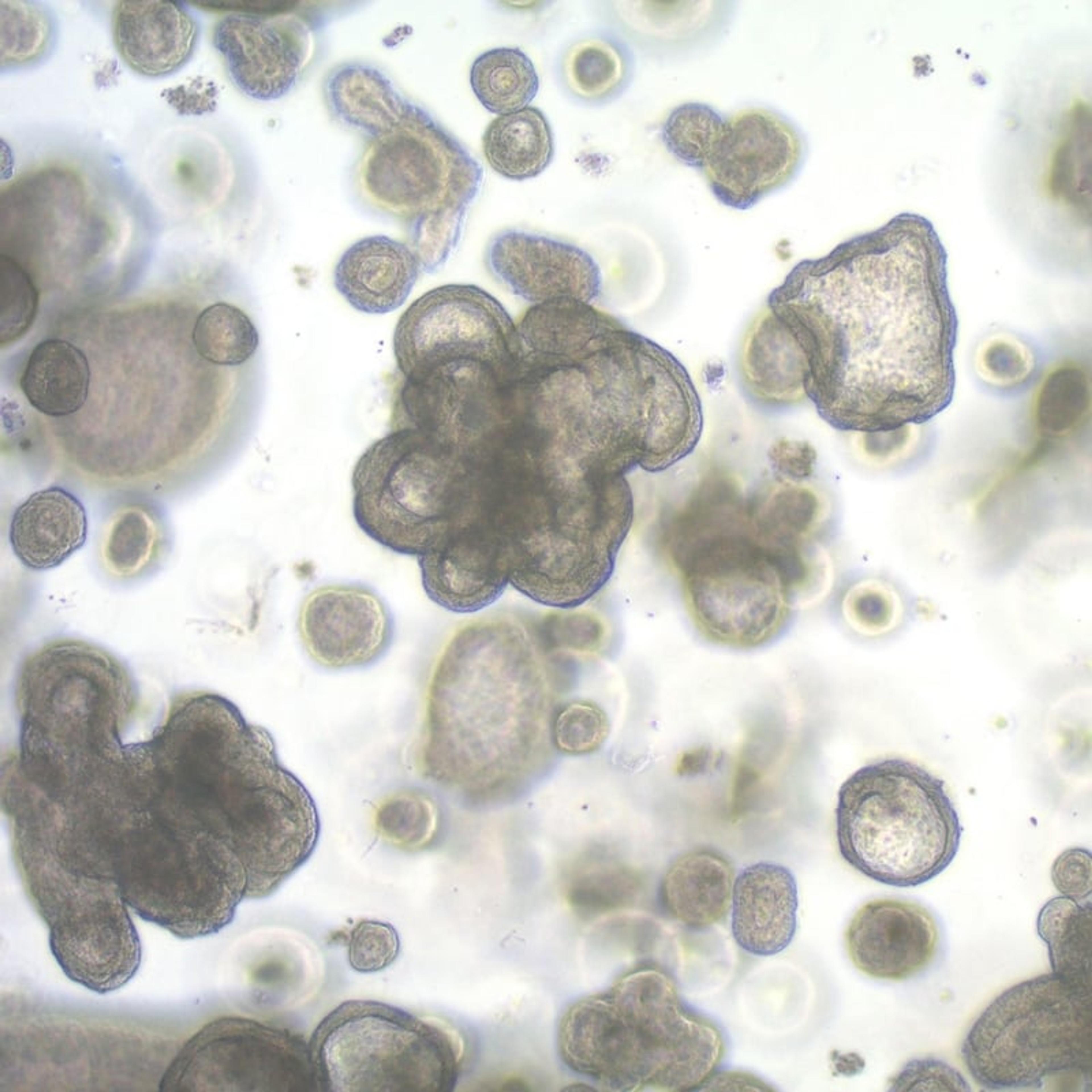
Patient-derived organoids (PDOs) are novel in vitro 3D cell models that preserve original tissue physiology and molecular pathology, thus representing a clinically relevant alternative to traditional 2D cell lines and an effective tool to refine and reduce animal models.

In this free download, explore Merck’s comprehensive biobank of highly characterized tissue-derived human gastrointestinal organoids from normal and diseased patients. The intestinal organoid biobank contains over 50 highly characterized intestinal organoids from both normal and diseased patients derived from multiple regions of the digestive systems including small intestine (duodenum, ileum), stomach, rectum and colon.



MilliporeSigma is the Life Science business of Merck KGaA, Darmstadt, Germany in the USA and Canada.

3dGRO™ organoids were derived utilizing HUB Organoid Technology.

Links

Tags

Cell / Tissue CultureCell culture or tissue culture is used to study the biology of cells or tissues and to isolate cellular products in an environment which can be manipulated and well defined. Accurately control your culture environment with bioreactors or culture incubators, bind your cells to a surface or together with an extracellular matrix. Distinguish cell types with differential media or proliferate cells with certain characteristics using selective media. Enrich your media with supplements such as growth factors, sera and vitamins. Find the best cell and tissue culture products, kits and equipment in our peer-reviewed product directory: compare products, check customer reviews and receive pricing direct from manufacturers.Cell Lines Stem Cells and Primary CellsPrimary cell cultures, established cell lines and stem cells are vital for <i>in vitro</i> and <i>ex vivo</i> experimentation. High-quality cells, optimized for your applications, alongside optimized cell substrates, growth medium and supplements, are critical for experimental success. Explore a range of cells suitable for your applications, including isogenic cell lines, competent cells, induced pluripotent stem cell (iPSC)-derived cell lines, fungal/bacterial/mammalian cell lines, stem cells and cancer cell lines. Find the best cells for your research in our peer-reviewed product directory: compare products, check customer reviews and receive pricing direct from manufacturers.Cellular PathologyCellular Pathology deals with the microscopic analysis of tissue samples and cells. Sample preparation and processing includes fixation, staining, sectioning and slide mounting, using equipment such microtomes and cryostats. In choosing immunohistochemistry and immunocytochemistry kits, consider chromogens, staining method, antibodies, microscopes and imaging.Cell AnalysisThe analysis of cells allows researchers to understand the factors which contribute to cell health and function. These influencing processes can then be predicted and altered, leading to the development of medication and disease treatments.Cell GrowthCell growth refers to the process by which cells increase in size and number. It is essential for tissue development, wound healing, and cancer research. Understanding and controlling cell growth is a fundamental part of cell biology and regenerative medicine. Browse our peer-reviewed product directory to find the best tools for studying cell growth, compare products, check reviews, and get pricing directly from manufacturers.