ResourceEnvironmental
Optimizing sample preparation workflows for heavy metals and organic pollutants in environmental labs
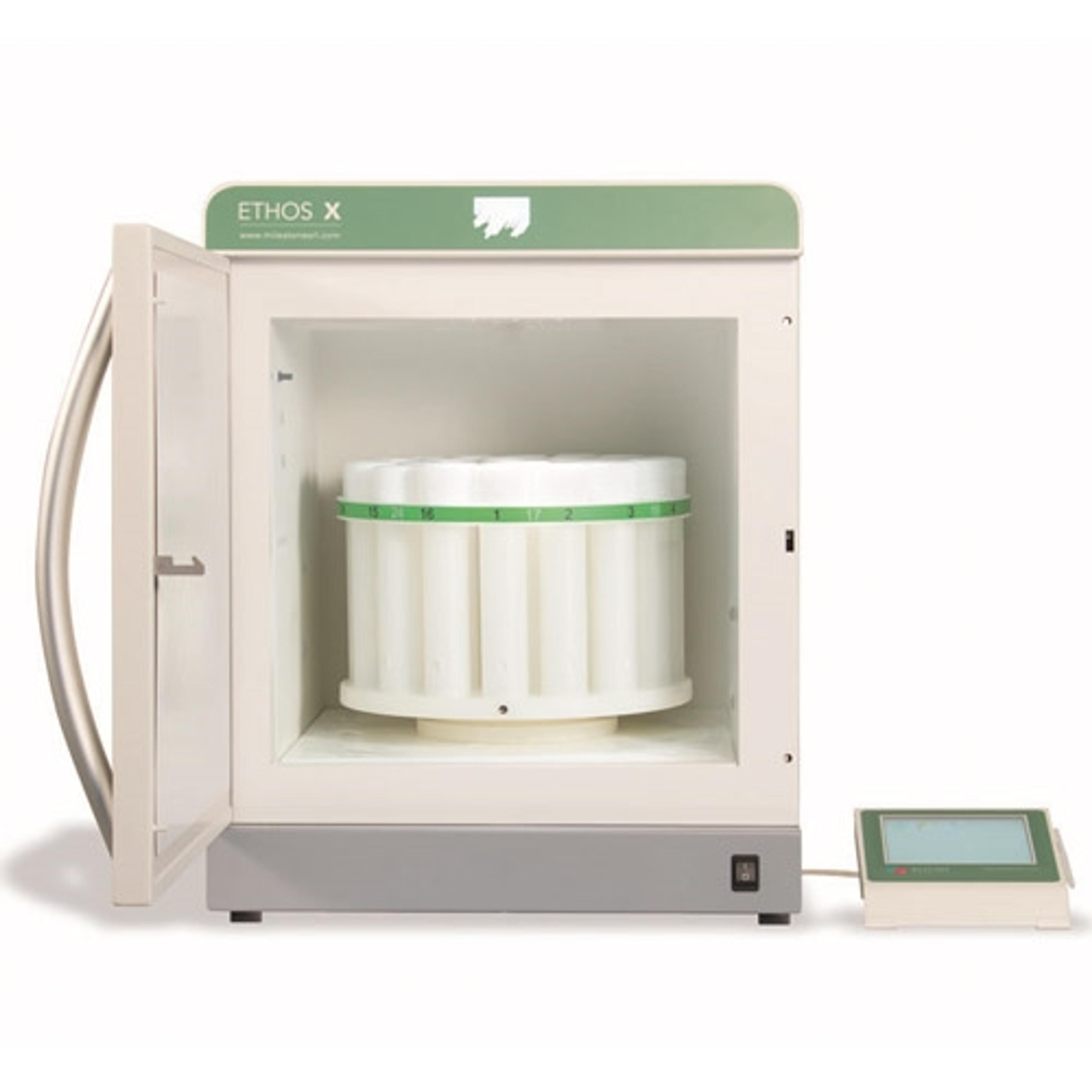
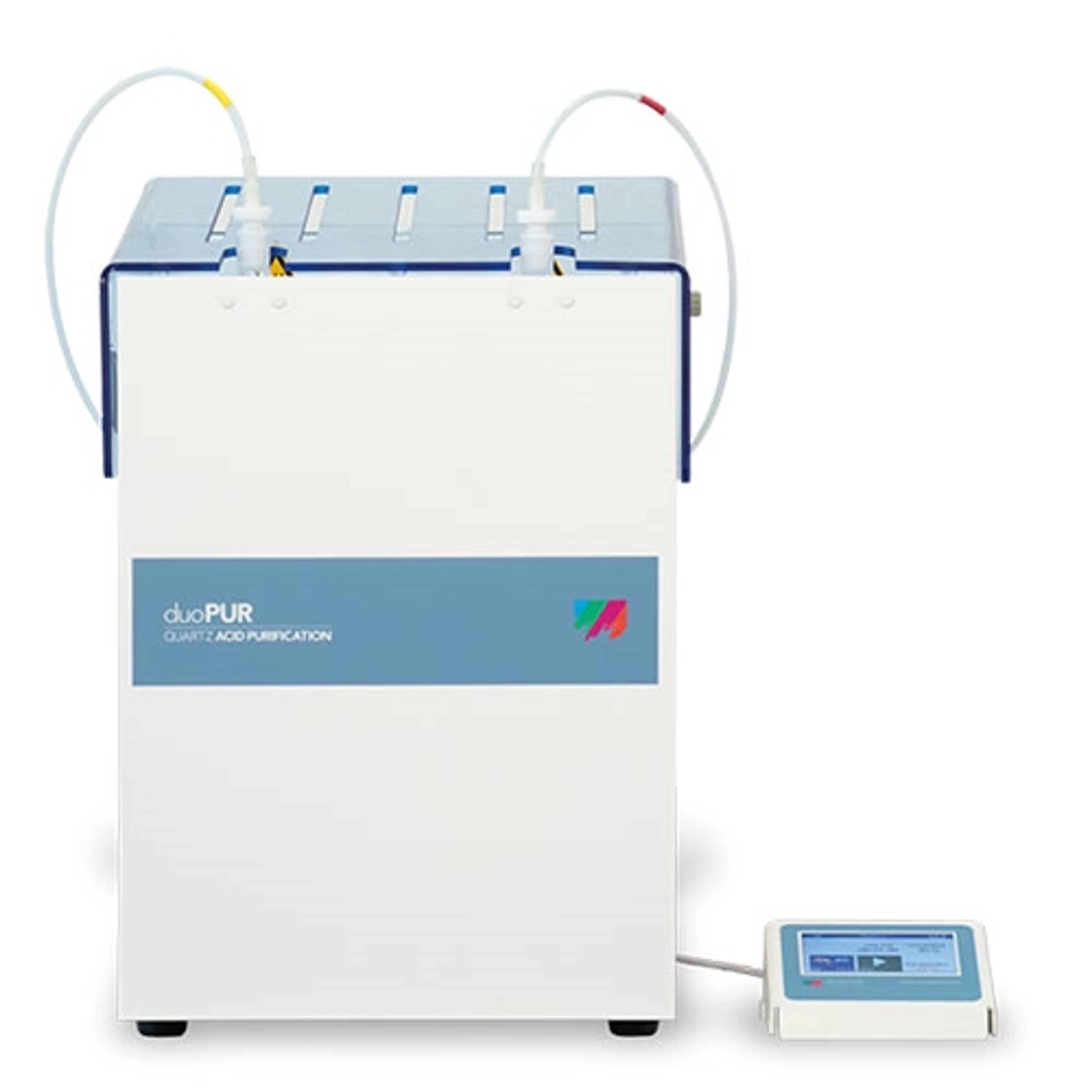
31 Mar 2025Sample preparation is a cornerstone of laboratory operations, directly impacting productivity, data quality, regulatory compliance, safety and overall operational costs. However, it is also one of the most labor-intensive and challenging aspects of environmental testing, requiring precise workflows to handle a wide range of sample types, regulatory limitations and analytical requirements. Explore solutions from Milestone for optimizing sample preparation for both heavy metals and organic pollutant analysis to achieve efficient, safe and compliant results in environmental laboratories.
Links
Tags
Sample PreparationSample preparation can improve the quality and speed of separation techniques. Products to assist sample preparation include filtration equipment, evaporators, membranes and sieves.Atomic Absorption / Emission SpectroscopyAtomic absorption spectroscopy (AAS) and atomic emission spectroscopy (AES) — also called optical emission spectroscopy (OES) — are used to detect the elemental constituents in samples. Both techniques involve the atomization of a sample. Atomic absorption spectrometers may use a flame or furnace to create an atomic vapor of the sample before irradiation with spectral light. Optical emission spectrometers may use a flame, inductively coupled plasma (ICP), microwave plasma (MP) or spark arcs to atomize and excite the sample. At higher excitation energies, electrons can be emitted instead of photons, which can be useful for samples that can’t be atomized and for surface analysis. Explore electron spectroscopy equipment such as Auger spectrometers and photoelectron spectrometers for surface elemental analysis of samples. Find the best atomic absorption, photoelectron and optical emission spectrometers in our peer-reviewed product directory: compare products, check customer reviews and receive pricing direct from manufacturers.Mass SpectrometryMass spectrometry (MS) is a powerful analytical technique used to identify and quantify molecules based on the mass-to-charge ratio of gas-phase ions. It provides detailed information about the structure, composition, and properties of compounds and is widely used across fields such as environmental monitoring, materials science, drug discovery and development, food and beverage testing, and wider chemical research. Key MS techniques include tandem mass spectrometry (MS/MS), liquid chromatography–mass spectrometry (LS-MS) and inductively coupled plasma (ICP-MS). Choosing from these wide range of techniques and technologies can be a daunting task, so keep up to date with scientific applications, performance expectations, and customer reviews here all in one place. Visit our product directory to receive quotes direct from the manufacturer.
Digestion and ExtractionDigestion and extraction apparatus are used in sample preparation to break down samples or extract organic or aqueous compounds from a solid. Digestion may be conducted via hot block, microwave or Kjeldahl digestion apparatus. Extraction systems typically involve solvent extraction and include Soxhlet, Randall or Twisselmann extraction methods. Find the best digestion and extraction apparatus in our peer-reviewed product directory: compare products, check customer reviews and receive pricing direct from manufacturers.Heavy MetalsEPA MethodsEPA methods are procedures approved by the U.S. Environmental Protection Agency for monitoring and analyzing environmental pollutants, including air, water, and soil samples. These methods are critical in ensuring public health and environmental safety. Explore EPA methods and tools in our peer-reviewed product directory; compare products, check reviews, and get pricing directly from manufacturers.