
ResourceMaterials
Nexsa G2 Surface Analysis System: Fast travel to definitive surface analysis
3 May 2021In this brochure, Thermo Fisher Scientific introduces the Thermo Scientific™ Nexsa™ G2 Surface Analysis System, a high-performance X-ray photoelectron spectrometer, designed for the integration of other analytical techniques without compromising data quality or sample throughput.
Related products
Request Quote for All Products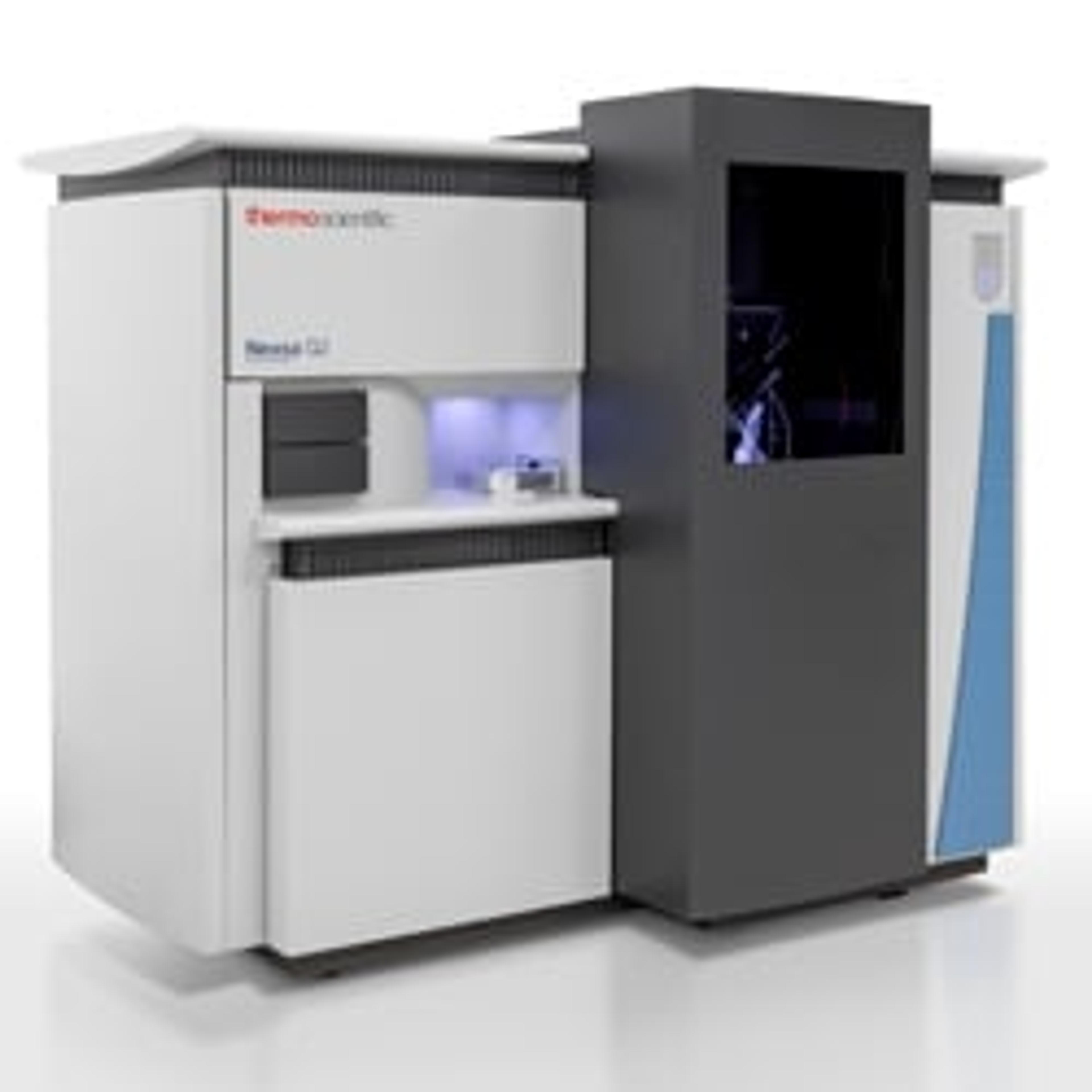
Thermo Scientific™ Nexsa™ G2 Surface Analysis System
Thermo Fisher ScientificThe Thermo Scientific Nexsa G2 is a high-performance X-ray Photoelectron Spectrometer, designed to integrate other analytical techniques whilst maintaining a high-throughput workflow. With unique options such as the Thermo Scientific™ MAGCIS™ dual-mode ion source and the Thermo Scientific™ iXR™ Raman Spectrometer, the Nexsa system is ready for the toughest surface analysis problems.
Links
Tags
X-Ray Diffraction and SpectroscopyX-Ray diffraction & spectroscopy are used in material characterization to discern the structure and elemental composition of a sample. X-Ray diffractometers (XRD) are superior instruments in elucidating the dimensional atomic structure of crystalline materials, including powders, thin films and single crystals. For large unit cells or ordered macromolecules, consider small-angle X-ray scattering (SAXS). X-ray spectroscopic techniques include X-ray fluorescence (XRF) and X-ray photoelectron spectroscopy (XPS), both providing simple and accurate methods for determining the elemental composition of a material. Energy dispersive (EDXRF) and wavelength dispersive (WDXRF) XRF spectrometers are available, as well as handheld/portable devices. High-resolution, 3D microstructure characterization of materials can be achieved with X-ray microscopes combining sub-micron resolution imaging with 3D computed tomography. Find the best XRD and XRF spectrometers in our peer-reviewed product directory: compare products, check customer reviews and receive pricing direct from manufacturers.Surface Area TestingPhysisorption studies fundamental parameters essential for the characterization of materials such as the specific surface area and pore size distribution. Properties such as porosity, strength, hardness, permeability, separation selectivity, corrosion, and thermal stress resistance can all be directly correlated to the porous structure of a material.Electron MicroscopyElectron microscopes (EM) are used to create high-resolution images of samples at the nanoscale by means of an accelerated beam of electrons as a source of illumination. Types of electron microscope include scanning electron microscopes (SEM), transmission electron microscopes (TEM), scanning transmission electron microscopes (STEM) and cryo-electron microscopes. Focused ion beam (FIB) microscopes are useful for modifying or milling a sample surface with nanometer precision, as well as imaging. Find the best electron microscopes in our peer-reviewed product directory: compare products, check customer reviews and receive pricing direct from manufacturers.Surface AnalysisX-Ray Source