ResourceMaterials

Nanomechanical testing of battery materials in controlled and inert environments

23 Jul 2023

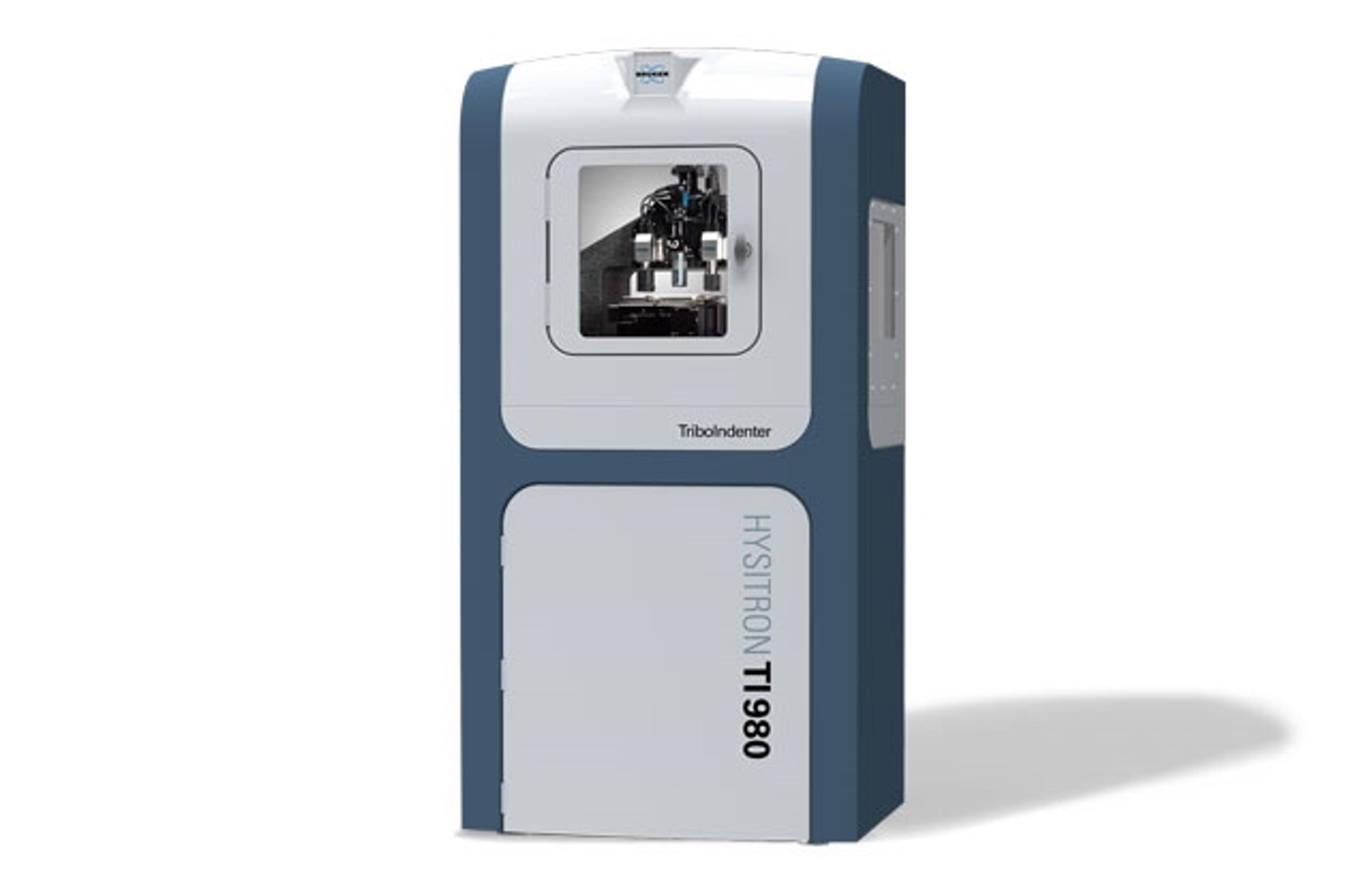
In this application note, Bruker Nano presents experimental data on nanomechanical testing of battery materials in controlled and inert environments using the Hysitron® TI 980 IO TriboIndenter®. Continued development of rechargeable batteries is focused on increasing energy density, the total number of charge-discharge cycles, and safety while decreasing cost and weight. This requires new materials and innovations, such as solid-state batteries, that must undergo rigorous testing before being released into the production cycle. Failures of coatings, mechanical (or ion) induced swelling and stiffening, stresses arising from fabrication, and mechanical stresses and damage from multiple charge-discharge cycles pose significant challenges for new device development and integration. Thus, for both safety and performance reasons, it is necessary to understand how these devices perform mechanically, including each component at the appropriate size scale.

Hysitron TI 980

Bruker Nano Surfaces and Metrology

The Hysitron TI 980 nanoindenter achieves remarkable advances in control and throughput capabilities, testing flexibility, applicability, measurement reliability, and system modularity. This industry-leading system builds upon decades of Hysitron technological innovation to deliver new levels of extraordinary performance, enhanced capabilities, and ultimate versatility in nanomechanical characterization. 

(0)

Links

Tags

RheometryRheometers are used to measure the rheology of fluids, which is the flow of fluids in response to an applied force. The most common types of rheometer include shear rheometers (capillary, cone and plate and rotational cylinder) and extensional rheometers. Viscometers are similar to rheometers however viscometers only measure the viscosity of a fluid.Mechanical TestingMechanical testing explores the elastic and inelastic nature of a material when force is applied. A mechanical test shows whether a material is suitable for its intended application by measuring hardness, tensile strength, elongation, elasticity, and fatigue limit.Non-Destructive TechniquesNon-destructive techniques (NDT) describes a variety of analytical techniques used to evaluate the properties of a material. Common methods include ultrasonic, magnetic-particle, liquid penetrant, radiographic, remote visual inspection (RVI), and eddy-current testing. NDT is regularly used in forensic engineering, civil engineering, mechanical engineering, electrical engineering, systems engineering, aeronautical engineering, and medicine.ProfilometersProfilometers are instruments used to measure a surface's profile, in order to quantify etch depth, deposited film thickness, and surface roughness. They operate in either contact or non-contact modes and may use optical or stylus techniques to make the actual measurements.Quality TestingQuality testing ensures that products meet required specifications and safety standards in various industries, including pharmaceuticals, food, and materials. It is essential for maintaining product quality and consumer safety. Explore quality testing tools in our peer-reviewed product directory; compare products, check reviews, and get pricing directly from manufacturers.Batteries
Nanomechanical testing of battery materials in controlled and inert environments